Current Situation and Challenges
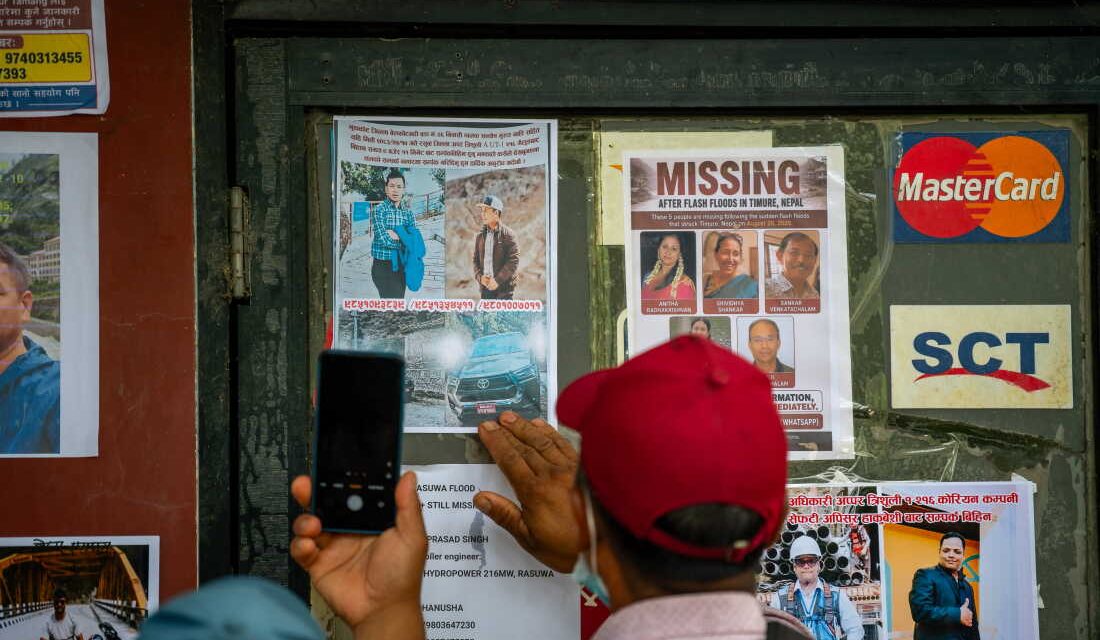
Over 5,600 individuals remain missing due to devastating flash floods in Nepal. In Devighat, a board displays photos of some missing persons, illustrating the tragedy’s scope. Shushma Bhusal from the International Federation of Red Cross and Red Crescent Societies reports entire villages have vanished without a trace.
Impact on Bidur Municipality
Bidur municipality once housed around 60,000 people and served as a key transit hub close to Kathmandu. The flood has rendered it desolate, destroying homes and businesses along the Trishuli River. Bhusal laments the loss of community cohesion.
Healthcare Access and Infrastructure Challenges
Trishuli hospital’s bridge has been destroyed, increasing travel time from 10 minutes to 10 hours, severely limiting healthcare access. Across the region, the floods have jeopardized health services, affecting tens of thousands physically and mentally.
According to Padam Simkhada from the University of Chester, Nepal’s health system is ill-equipped for such disasters. The floods have claimed at least 1,200 lives and damaged vital healthcare infrastructure.
“Continuity of electricity is also an issue.” – Allison Gocotano, WHO representative to Nepal
Obstructed roads and unreliable electricity compound the crisis, preventing routine medical services, especially for pregnant women and chronically ill patients. UNICEF is establishing medical tents to address immediate healthcare needs.
Emerging Health Threats
Floods have contaminated water systems and increased the risk of waterborne diseases, including cholera and diarrhea. Crowded shelters provide fertile ground for airborne illnesses like tuberculosis. The Ministry of Health is trying to enhance disease surveillance in these centers.
Mental Health Crisis
Many survivors experience significant emotional trauma, housed in temporary centers. Ayush Joshi of Save the Children observed children hoping the next helicopter might rescue their loved ones.
Psychological distress is visible, as exemplified by stories of loss and separation. Counseling and mental health resources, though available, are often secondary in disaster response. As Joshi cautions, mental health care needs more emphasis and sustained resources.
Efforts to Address Ongoing Needs
Save the Children and relief agencies work to provide necessary support, but comprehensive mental health care requires long-term commitment.