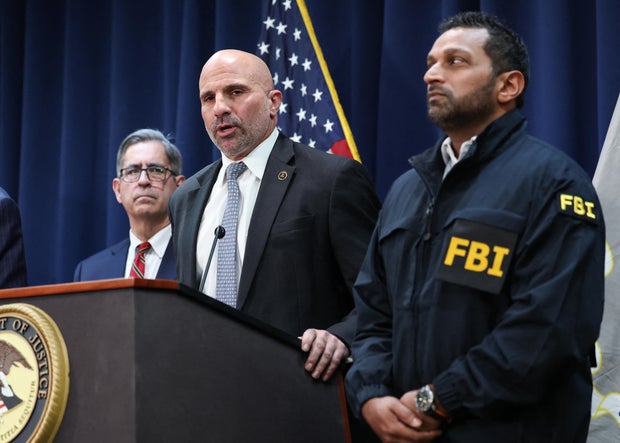
The FBI is increasingly using artificial intelligence (AI) as a crucial tool to identify threats and combat crime. This initiative targets transnational criminal organizations and drug cartels, as shared by Deputy Director Christopher Raia in an interview with CBS News.
Raia, who has served the FBI for 23 years and became deputy director in January, discussed how AI has transformed operations. AI helps identify credible threats quickly, reducing the response time from weeks to mere hours or minutes. According to Raia, “We’ve integrated AI, allowing us to prioritize tips effectively and expedite field actions.”
Recent data indicates a significant decline in violent crime rates across the U.S. The nation’s murder rate reached a two-decade low in 2025, and violent crimes saw the largest annual decrease recorded, noted in the FBI’s August crime report. Aggravated assaults dropped by 7.2%, rapes by 7.6%, and robberies by 18.5%.
Raia attributes this decline to several factors, including enhanced efforts by state and local law enforcement, border security improvements, and a renewed emphasis on violent crime. The integration of AI has made the FBI more agile, enabling them to handle vast amounts of data efficiently. As Raia expressed, “The FBI faced a surplus of risk due to the flood of daily tips worldwide. We lacked the manpower for thorough analysis.”
The bureau’s National Threat Operations Center now employs AI algorithms to identify the most pressing threats, conserving resources for action in the field. For instance, a March case involved Zachary Charles Newell from Newport, North Carolina. He received a two-year federal sentence for online threats against a black preschool. AI quickly elevated this tip, leading to a swift arrest.
When asked about concerns over AI’s impact on civil liberties, Raia emphasized the FBI’s transparency with Congress and oversight boards to safeguard citizens’ rights.
“We uphold the privacies and civil liberties of Americans, even with AI applications,” Raia assured. The FBI submitted over 50,000 pages for review in the past year and a half to maintain transparency.
Privacy advocates express concerns over potential rights infringements, particularly regarding Flock Safety, a provider of automated license plate readers to 6,000 law enforcement agencies nationwide. These cameras are integral to investigations and lead identification.
Raia also highlighted initiatives during the Trump administration to address drug cartels and transnational gangs. The Homeland Security Task Force, established by executive order in January 2025, enhances cooperation among the FBI and other agencies like Homeland Security Investigations, the Drug Enforcement Administration, the Treasury Department, and the Department of Defense.
In August, the Homeland Security Task Force Initiative charged 81 alleged gang members in Puerto Rico with drug trafficking and firearms violations, showcasing the impact of these collaborative efforts.
 Data Centers in Virginia face Growing Opposition
  Texas Leads Air Taxi Innovation with Project Nexus
  Experts Warn Against Alarmism in AI Governance
  AI and the Changing Nature of Google Searches
  Data Centers Stir Controversy in Texas Amid Growth Boom
  The Technology Rivalry: Trump’s Meeting with Xi and the AI Ecosystem Clash