In this historical examination, we follow the events leading to the tragedy of 9/11, as they unfolded 25 years ago. One day prior, Mohammed Atta, a central figure in the attacks, advised his co-conspirators with a foreboding thought, likening their mission to entering the ‘gardens of eternity.’
September 3, 2001: Preparations in Pompano Beach
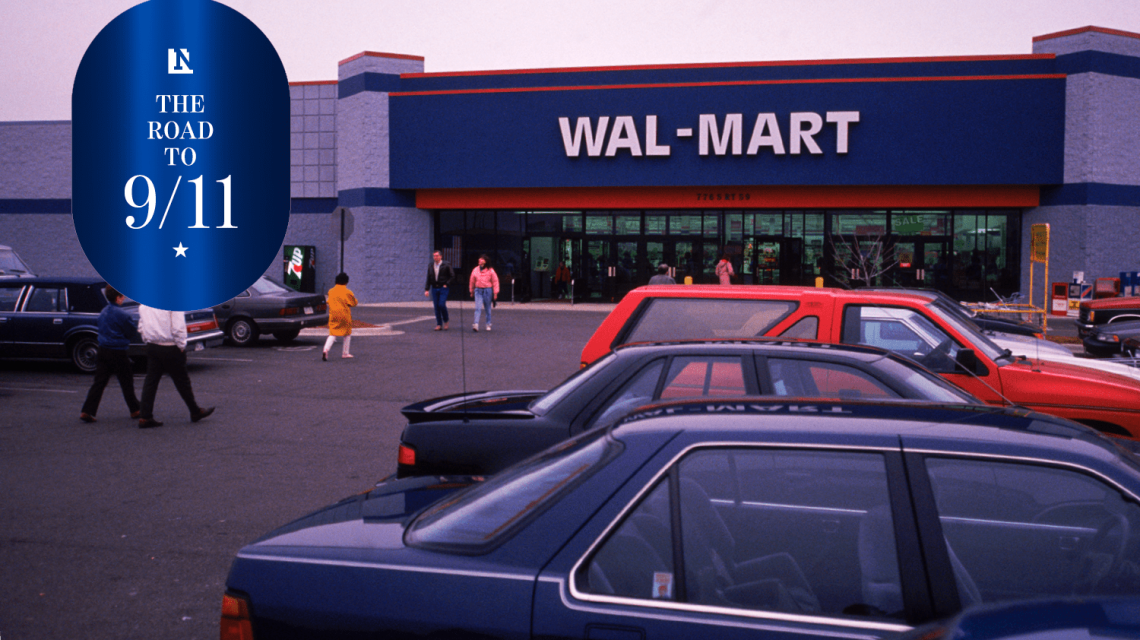
On September 3, Marwan Al-Shehhi, associated with the September 11 hijackings, visited a Walmart store located on Copans Road in Pompano Beach, Florida. During his visit, he purchased several items, including a toggle switch, gel mate, auto tape, and a 9-volt battery. These components were likely intended for the assembly of a mock explosive device. His goal was to use it as a tool of intimidation on United Airlines Flight 175, ensuring control over the passengers.
The Onboard Experience: United Airlines Flight 175
During the chaos of 9/11, a passenger named Peter Hanson was aboard Al-Shehhi’s flight. At around 9:00 a.m., he contacted his father, describing dire circumstances on the plane. Hanson reported a stewardess being stabbed and the presence of knives and Mace among the hijackers. He mentioned the hijackers’ claim of having a bomb, contributing to the already tense atmosphere. His call conveyed a sense of fear and the belief that the aircraft might be used as a weapon against another city, possibly Chicago.
Flight Attacks: The Use of Threats and Intimidation
Mohammed Atta led the attack on American Airlines Flight 11. The hijackers reportedly used Mace or a similar irritant to force passengers and crew to the rear of the aircraft. They also falsely claimed to possess a bomb, but there was no evidence suggesting they had constructed one. In contrast, on American Airlines Flight 77, aimed at the Pentagon, neither passengers nor flight attendants reported threats involving stabbings, Mace, or bombs during their communications.
The Announcement on United Flight 93
Ziad Jarrah, piloting United Flight 93, made an announcement at 9:32 a.m., asserting the presence of a bomb onboard. He instructed passengers to remain seated. However, there was no indication that an actual bomb existed on this flight or that Jarrah’s team possessed any deceptive bomb elements.
Official Findings and Conclusions
The 9/11 Commission later reported their findings, drawing from information provided by the FBI. The investigation revealed no explosive traces at any crash sites. One passenger’s mention of a bomb, likely from Hanson, was considered to be subjective, and not supported by actual evidence. The commission concluded that any referenced bombs were probably fabricated threats used by hijackers to instill fear and maintain control.
The following day, terrorism advisor Richard Clarke’s dire warnings would confront challenges within the bureaucratic system, leaving his concerns debated and unheeded by some.
 Carnival Panorama Passenger Jumped Overboard During Final Leg of Cruise
  Nikole Hannah-Jones Reflects on Educational Choices for Her Daughter
  Life and Challenges at Chennai’s Kasimedu Fishing Harbour
  Chicago Bears Eye Potential Move to Indiana: A Look at the Developments
  Amazon Offers Discounts to Employees at Whole Foods
  Inside the American Airman Rescue Mission in Iran