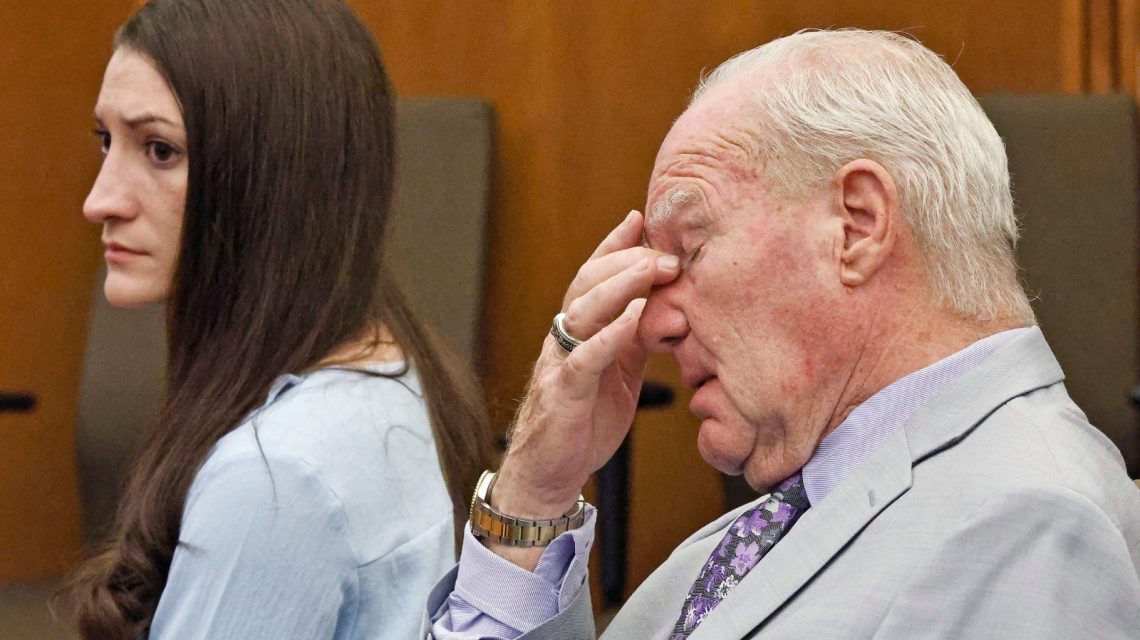
The trial of Lindsay Clancy is edging closer to a possible mistrial, as the jury has informed the judge twice that they remain deadlocked. Gary Galperin, a former Manhattan assistant district attorney and law professor, suggests this deadlock signals an impasse, although unanimity is still achievable.
Judge’s Decision on Jury Deadlock
Rither Alabre, a former prosecutor, noted that the jury received Tuey-Rodriguez instructions, urging continued deliberation without coercing a verdict. Further deadlocks could compel the judge to declare a mistrial; however, asking the jury to try again is also an option.
The jury started deliberations on August 27 after a lengthy trial filled with witness testimonies and exhibits. They reported their deadlock initially on a Tuesday, and again the following day, potentially pushing the trial to a conclusion if they remain divided.
The Core Legal Question
This case wrestles with a complex issue: Clancy admits to the crime but argues her severe mental illness (postpartum psychosis) obscures her understanding of the act’s wrongfulness. It’s a critical contention between her and the prosecution, affecting her criminal responsibility.
The prosecution argues Clancy was mentally unwell but aware of her actions, citing evidence of planning and deliberation, such as sending her husband out before the incident. Cellular records, emergency calls, and behavior analysis stand as crucial pieces of their argument.
Reasons for a Split Jury
The jury’s division is not necessarily equal, meaning a hung jury could result from a single dissenter. Galperin suggests this possibility underscores the judge’s decision urging further discussions.
Galperin acknowledges the jury’s struggle, given the depth of medical evidence and expert testimonies involved. Postpartum depression complicates judgments in ways not encountered in typical criminal trials.
What Ensues After a Mistrial
“A mistrial would let prosecutors retry the case,” noted Alabre. A retrial could allow both sides to reconsider their approaches based on insights gleaned from the first proceedings.
In a potential retrial, the prosecution and defense would refine strategies, adapting presentations to bolster their arguments. Historical precedents suggest retrials might favor the prosecution due to enhanced readiness.
Importance of Expert Testimonies
In this trial, expert testimonies are critical as they shed light on complex psychiatric conditions foreign to most jurors. The presentation and credibility of experts play a crucial role, with juror perception influenced by demeanor and argumentative prowess.
Understanding Psychosis and Criminal Responsibility
Galperin highlights that jurors could agree on Clancy’s mental illness yet disagree on its legal ramifications. The jury must determine whether Clancy’s condition absolves her of criminal intent, a distinction blurring lines between psychiatric diagnosis and legal accountability.
Navigating the Jury’s Deliberative Path
Deliberations, though lengthy, might yet yield consensus. Galperin cites past experiences where teams reached agreement after revisiting testimonies to address initial deadlocks.
While the repeated deadlock hints at a mistrial, some jurors’ assessments could evolve as deliberations progress, shifting from stalemate to resolution.
Post-Trial Realities for Clancy
Should she be found not criminally responsible due to mental illness, Clancy would likely undergo further assessments regarding her current mental state and possible public risk. Such outcomes predict extended supervision rather than immediate freedom.
Regardless of the outcome, Clancy’s case will reverberate through Massachusetts’s legal community, entwining themes of mental health and criminal justice in a difficult legal tapestry.
 Juror’s Stand Leads to Mistrial in Lindsay Clancy Case
  Maryland Parents Arrested After Infant’s Death with Severe Injuries
  Jury Deliberations in Lindsay Clancy’s Murder Trial Stir Controversy
  Surrogate Resists Abortion, Appeals to Supreme Court in Legal Dispute
  Inmates File Lawsuit Over Fires and Smoke in D.C. Jail
  Former CIA Chief Subpoenaed in Justice Department Investigation