
Artificial intelligence has become an undeniable part of our world. It brings concerns about the future of human thought, but educators can address these by helping students understand AI’s limitations and possibilities.
Distinguishing AI’s Capabilities
AI thrives on pattern recognition. Its algorithms analyze vast amounts of data to identify trends and make predictive suggestions. However, it lacks the ability to dream, imagine itself in other people’s situations, or express authentic emotions.
Impacts on Education
Educators have an opportunity to guide students through the intricacies of AI. It’s vital to differentiate between what AI can accomplish and what it cannot. This understanding prepares students to use the technology wisely and avoid excessive dependency.
Preparing Students for the Future
In a digital age, equipping students with knowledge about AI’s strengths and weaknesses is crucial. This approach enables them to leverage technology effectively, without compromising their unique human perspectives and creativity.
 PwC Launches Critical Thinking Certification Amid AI Job Changes
 Can AI Possess Consciousness and Emotion?
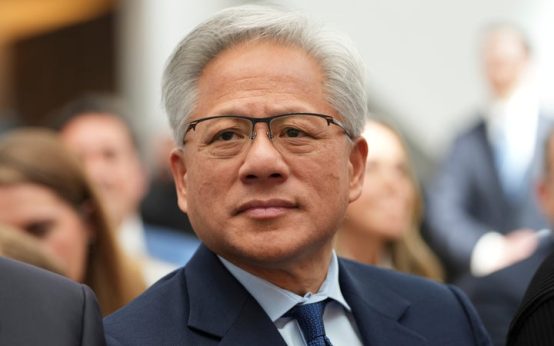 Nvidia’s CEO Under Scrutiny Amid Internal Investigation
 Guide to Buying Wireless Hot Spots
 Market Concerns and Strategies for Navigating AI Stock Volatility
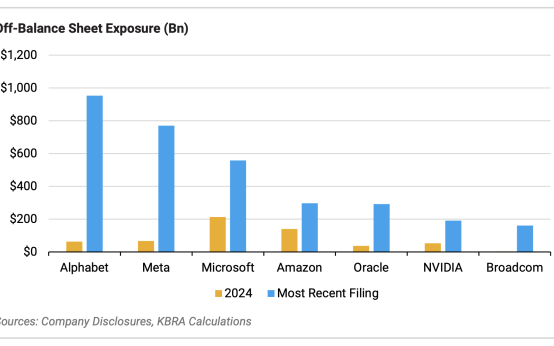 Nvidia CEO Investigated Amid Concerns and Market Reactions