
Founded by abolitionists in 1865, The Nation has long served as a critical, independent voice chronicling political and cultural life. On September 2, 2026, writer Juhie Bhatia explored a pressing issue impacting democracy.
Richard Kyte, an ethics professor at Viterbo University, first observed signs of isolation among his colleagues in 2011. To counter this, he proposed a simple solution. Every Wednesday at 6:30 am, they began meeting for breakfast at a café, located just five blocks from their university in La Crosse, Wisconsin.
This routine meetup underscores the importance of third places—social settings apart from home and work. These venues foster community interaction and engagement. However, the decline of such spaces poses challenges. Less face-to-face interaction can weaken the social fabric, impacting democratic engagement.
 Ken Paxton’s Campaign Funding and Polls
  Inside the Secret Deals Powering the President’s Push to Deport Migrants to Countries Not Their Own
  Independence of Research from Political Agendas
 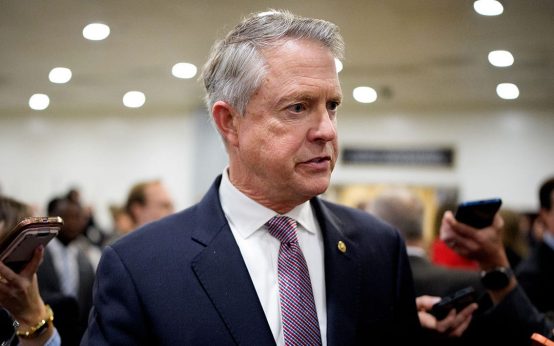 Sen. Roger Marshall Denies Allegations of Political Attack
  Concerns About Food Safety Reach Critical Levels
  Court Blocks Trump’s Mail-Ballot Rules Ahead of Elections