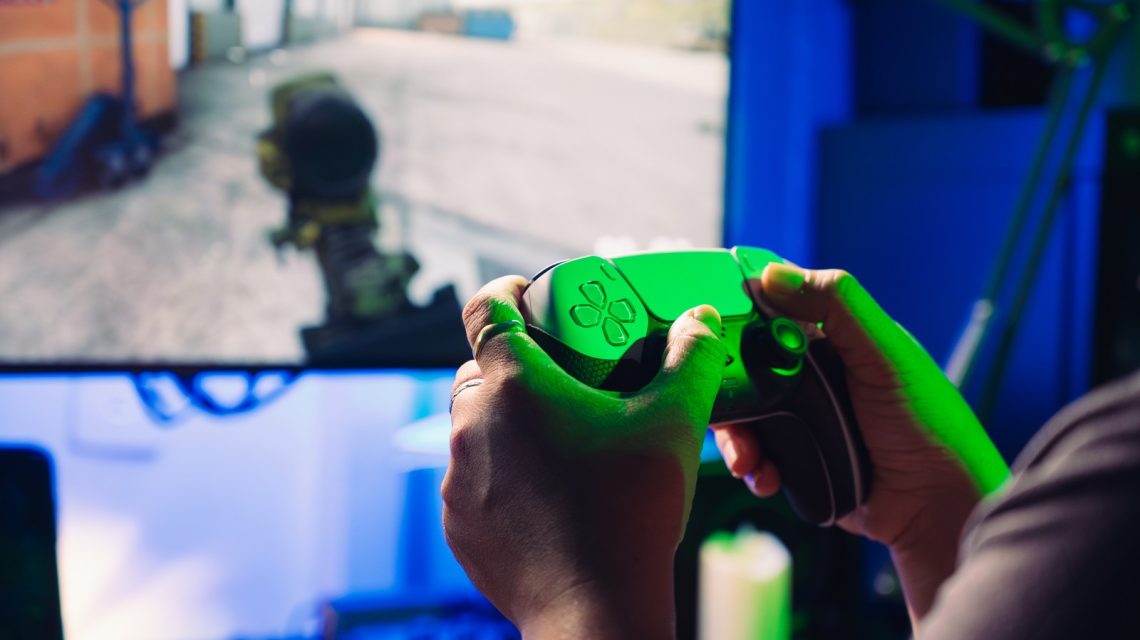
Millions of PlayStation users in the United States may receive compensation from a proposed class-action settlement valued at $7.85 million involving Sony. This lawsuit, known as Caccuri v. Sony Interactive Entertainment LLC, accuses Sony of limiting competition by stopping third-party retailers from selling certain digital game vouchers. Consequently, consumers allegedly paid higher prices for games purchased through the PlayStation Store.
Digital gaming platforms have become significant revenue sources for game publishers, resulting in more consumers choosing downloadable titles over physical copies. Alex Beene, a financial literacy instructor at the University of Tennessee at Martin, told Newsweek that the lawsuit could have implications beyond the payout amount. Customers charged Sony with removing retailers’ ability to sell game-specific download codes, giving Sony greater control over digital-game pricing.
While Sony denies any legal wrongdoing and a federal court has not determined a violation of law, the company agreed to settle the matter for $7.85 million. This decision aims to resolve the litigation without further legal expenses and uncertainty.
“When a company has control over both the platform and the purchasing avenues for digital products, competition, which is one of the best protections against higher prices, can be lost,” Michael Ryan, a finance expert, commented to Newsweek.
Details of the Lawsuit
The lawsuit claims Sony aimed to monopolize the digital PlayStation games market. Before April 1, 2019, third-party retailers like GameStop, Best Buy, and Amazon sold game-specific download vouchers, often competing on price. With Sony’s decision to halt sales of these vouchers, plaintiffs argued that PlayStation users lost purchasing alternatives and faced higher prices for digital games.
This settlement is among several events labeled by gamers as anti-consumer, especially given Sony’s recent announcement to cease physical game production by 2028, raising concerns about future pricing and ownership.
Hearing Schedule and Customer Eligibility
The court has scheduled a final fairness hearing on October 15 at 2 p.m. PT before Judge Araceli Martínez-Olguín in the Northern District of California. During this hearing, the settlement’s final approval and plaintiff awards will be decided.
Consumers might qualify for compensation if they:
- Lived in the United States.
- Purchased eligible digital games through the PlayStation Store between April 1, 2019, and December 31, 2023.
- Previously bought a qualifying game-specific voucher from third-party sellers before April 1, 2019.
- Meet the eligibility requirements.
Not every purchase within the period qualifies. Eligible games include titles like The Last of Us and third-party games such as Mass Effect Trilogy and Resident Evil 4.
Settlement Process
Most eligible consumers need no action. Settlement administrators report that class members remain part of the settlement unless opted out by July 2.
Upon final approval, Sony will compensate eligible PSN account wallets as per the allocation plan. Users with deactivated accounts may still qualify. They can provide purchase details and a current mailing address to the settlement administrator to receive compensation.
“For PlayStation users, the simplicity of this settlement is notable as credits will be deposited automatically without needing a claim form,” Ryan noted.
Expected Payout Timeline
No specific payment date is available yet. Compensation will likely follow after the October 15 hearing and resolution of potential appeals or challenges.
Once court approval is obtained without delays, PlayStation Store credits distribution can begin. Individual payouts will depend on their number of qualifying purchases and all members’ eligible purchases totals after legal and administrative deductions.
“While the payout amount is not life-altering, the principle surrounding competition in digital marketplaces is crucial,” Ryan emphasized.
For more information, reach out to Newsweek editors Kate Nalepinski and Anthony Murray.
 Attorney General Blanche Opposes New AI Regulations
  Parallels Between ‘Threads’ and AI Fears
  AI as a Modern Charismatic Entity
  Concerns Rise Over AI Agents Targeting Websites for Information
  FAA Investigates Software Glitch in Boeing 737 Max Jets
  Protecting Your Finances from Cyber Threats