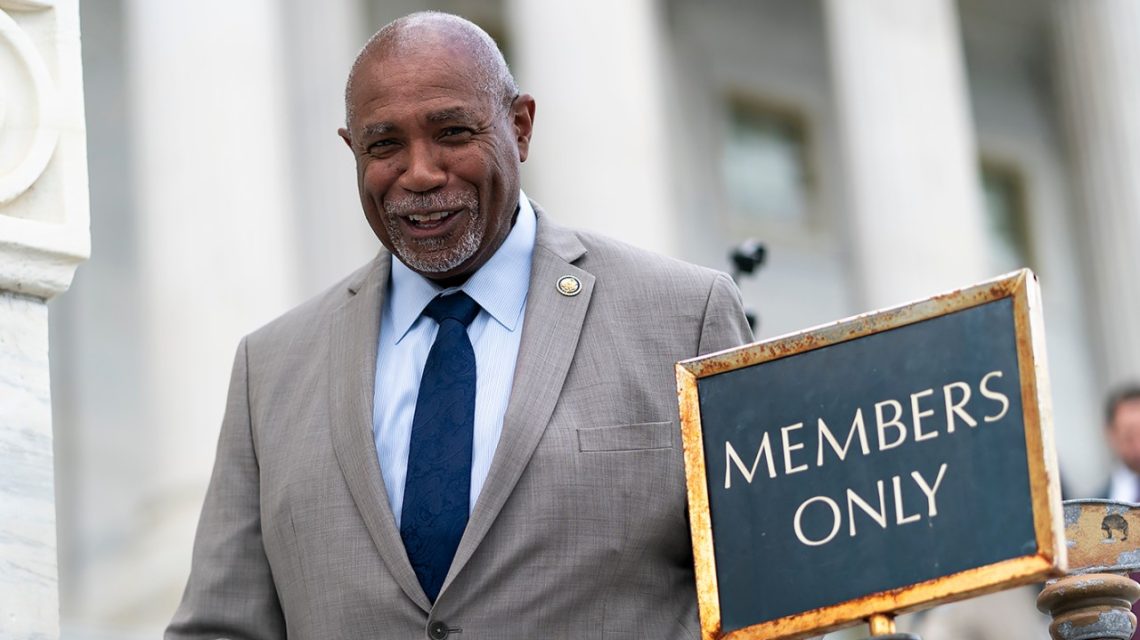
Billionaire Mark Walter’s recent dealings with the Los Angeles Lakers are generating concern over the ownership of major sports brands. Walter, who amassed his wealth in insurance, once held stakes in teams like the Lakers and Los Angeles Dodgers. Allegations of financial misconduct, including tax irregularities and unreported financing, have led to federal investigation. His sudden sale of the Lakers to a group including Josh Kushner has raised questions about his intentions, suggesting he might be trying to appease the government.
Walter is not the first billionaire to face scrutiny over sports investments. Critics argue that professional sports are increasingly profit-driven, disconnected from the fan community. Will Norton, director at the University of Massachusetts Amherst, notes that the financial needs of clubs make them susceptible to precarious capital sources, affecting their long-term stability.
Many top sports franchises are now partially controlled by private equity firms, executives distant from the team’s home cities, or those with financial priorities that do not align with the sports’ interests. This shift has led to strained fan experiences, with ownership groups focusing on immediate returns over community pride and development.
Walter’s situation is unique as it involves multiple top sports leagues. The Dodgers, for example, benefited from a favorable media rights deal under Walter’s leadership, enabling significant roster investments. This financial strategy is now contributing to a looming crisis in Major League Baseball’s negotiations with the players’ union.
The presence of private equity in U.S. sports is pressuring owners to secure vast capital for improvements and top talent. The Phoenix Suns’ owner, Mat Ishbia, faces legal challenges for allegedly using the team to fund less profitable ventures. Such cases raise questions about the thoroughness of owner vetting by sports leagues.
Fans express frustration with teams demanding tax breaks for new stadiums, shifting games to premium paywalled platforms, and focusing on luxury fan experiences. In Portland, negotiations over funding renovations at the Trail Blazers’ arena highlight the struggle of smaller market teams to retain franchises.
Cade Massey from Wharton School notes the need for updated processes reflecting modern, sophisticated ownerships. The growing costs and valuations question the sustainability of community-based team ownership.
“There’s probably no drier topic than billionaire debt service for everyday people, but fans are tired of seeing their teams treated as assets.”
The issue extends internationally, with governments investing heavily in sports, notably Saudi Arabia. The ongoing transition towards corporate sports ownership raises significant concerns about fan engagement and team identity.
 Travis Kelce Sparks Excitement at Arrowhead Stadium
  Dallas Cowboys Defeat Washington Commanders Amid Player Injury
  Chicago Cubs’ Alex Bregman Suffers Facial Injury from Foul Ball
 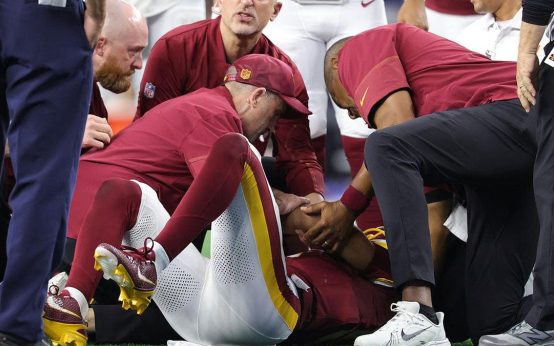 Washington Commanders Face Major Setback as QB Jayden Daniels Suffers Elbow Injury
 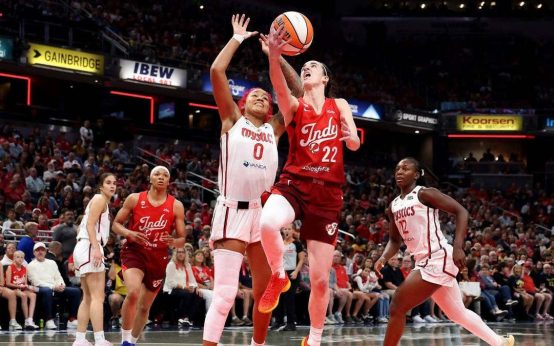 Indiana Fever’s Struggles Against Washington Mystics
 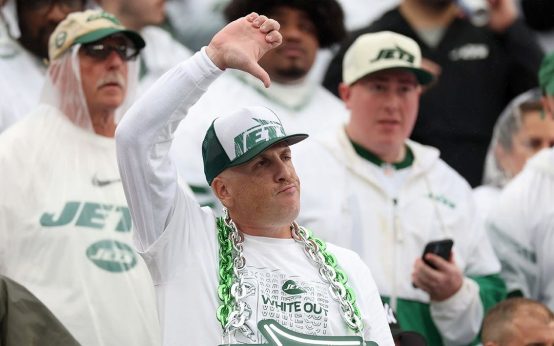 New York Jets Fall to Green Bay Packers After Fourth-Quarter Collapse