The Character of Wrigley Field
On the final day of June, the winds were strong over Wrigley Field. Moe Mullins, a long-time fixture of the neighborhood, arrived early as he always does. Settling into his usual spot near the stadium, Mullins watched as the area came alive with the game day hustle. Street vendors, bustling crowds, and excited visitors filled the air with anticipation for the Cubs’ 150th anniversary celebration as a National League team.
Changeless Amid Change
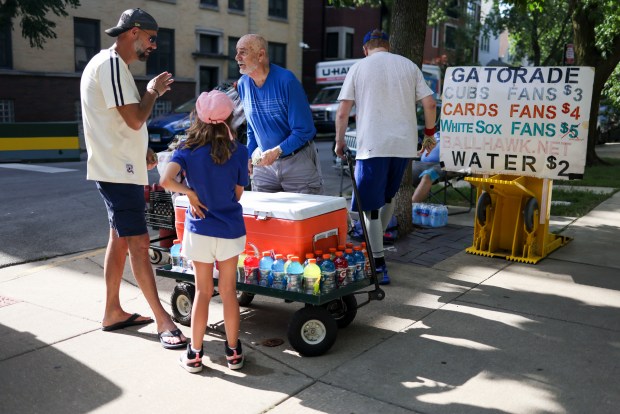
Despite Wrigley Field’s evolving surroundings, new developments, and costlier rooftops, some traditions hold strong. Mullins, known informally as the ‘mayor’ of the corner of Waveland and Kenmore avenues, remains a witness to enduring charm. Here, even the advertisements reflect an old-school vibe—like a homemade sign on Dave Davison’s cooler selling Gatorade at varying prices depending on team loyalties.
This spot attracts a dedicated group of fans and characters, including ballhawks like Mullins and Davison. Mullins boasts a personal history with the corner, dating back to 1958 when he discovered a way to turn collected baseballs into hamburgers.
The Art of Ballhawking
Ballhawking, a tradition of catching home run balls outside the stadium, faces change. Mullins and Davison, known figures here, sense fewer enthusiasts among new generations. The younger crowd hasn’t embraced this pastime, possibly due to modern stadium modifications that block balls from reaching the street.
Over 6,400 baseballs caught!Mullins shouted proudly to a stadium tour group, reliving the legacy these collectibles represent.
Catching History
Mullins remembers each missed opportunity, from historic hits by Ernie Banks and Sammy Sosa to Dave Kingman’s epic long shots. His countless catches are part of Wrigley’s lore. Memories are shared with the few remaining enthusiasts who still gather opportunistically on this historic corner.
Stories of the Corner
The regulars include characters like Ken Keefer and Bob Krause, who have gathered at Wrigley for years. They represent the steadfast nature of the corner in the face of encroaching modernization. Yet, there remains a quiet acknowledgment that the culture may slowly be slipping away.
Conversations are filled with memories of baseball and legendary catches, but also of life events, like weddings and farewells. These bonds extend beyond shared baseball interests to a familial sense of community.
Preserving Traditions
The corner is also noted for spectator traditions. Kenmore and Waveland reunite old companions and new faces alike. A unique cookout tradition hosted by Keefer and Krause symbolizes gratitude toward stadium workers and sustains a deeply connected community spirit.
As much as surroundings change—with luxurious stadium expansions and modernization—the soul of this neighborhood holds its appeal in the sightlines, friendships, and the shared sense of belonging they cultivate here.
Future Visions
Mullins imagines a future where his massive baseball collection becomes a gift to younger generations, a journey down Waveland releasing thousands of baseballs for eager hands. It’s a symbolic gesture of his lifetime connection to the corner and the game he loves.
Each baseball has its story, etched with dates and memories, reminiscent of how these shared times persist amidst inevitable change. Mullins, Davison, and their dwindling community embody a living heritage at Wrigley Field’s corner—a small, steadfast piece of old-school charm in a rapidly evolving cityscape.
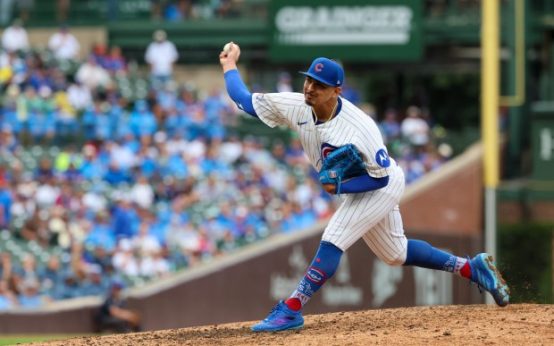 Chicago Cubs’ Reliever Palencia Makes Impactful Return
 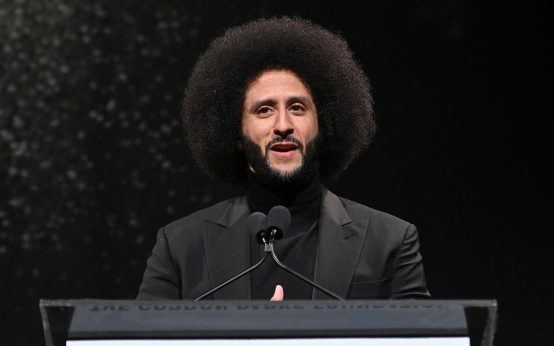 Colin Kaepernick’s NFL Comparison and Controversy
 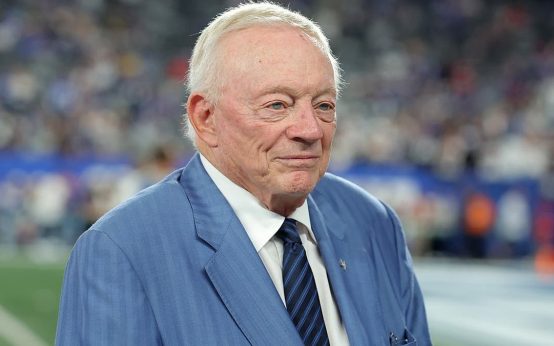 Jerry Jones and the Cowboys Celebrate Victory over Washington Commanders
  Lane Kiffin Criticized Postgame, Justin Herbert Under Fire
  Caleb Williams’ Injury: Week-to-Week Prognosis Eases Bears’ Fears
  Jayden Daniels’ Injury Impact on Washington Commanders