Introduction
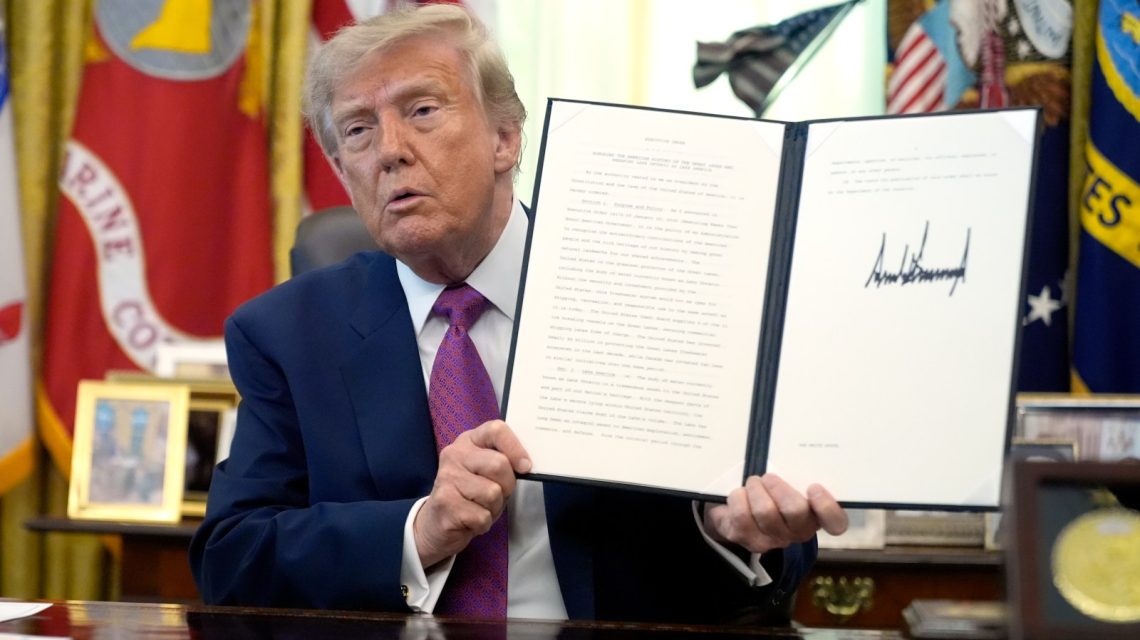
The Trump administration is seeking to alter the eligibility criteria for the Public Service Loan Forgiveness (PSLF) program. This federal program enables government and nonprofit workers to have their remaining student loans forgiven after ten years of qualifying payments.
Recent Developments
Recently, the Department of Education appealed a federal court ruling that blocked a regulation aimed at limiting which employers qualify for PSLF. They argue that adjustments are necessary to ensure that benefits are granted only to organizations deemed to provide legitimate public services. Undersecretary of Education Nicholas Kent emphasized the importance of directing federal benefits to key public service roles such as teachers, firefighters, and civil servants.
Significance
As one of the major forgiveness programs, PSLF offers relief to federal borrowers. Established in 2007, it helps public servants like teachers, firefighters, nurses, and government workers receive loan forgiveness after making 120 qualifying payments. However, the new appeal raises uncertainty for borrowers hoping to benefit from this program. Redefining employer eligibility might block some public service employees from receiving expected relief, even though the administration argues that taxpayer-funded benefits should support lawful organizations.
Proposed Changes
The Department of Education proposed a rule allowing the education secretary to assess whether organizations might disqualify from PSLF due to a ‘substantial illegal purpose’. This includes those linked to illegal immigration, terrorism, or gender-affirming care services. Legal experts warn this could disqualify years of service for many borrowers, making eligibility dependent on external beliefs or ideologies.
Legal Challenges
Two federal judges halted the regulations from taking effect. U.S. District Judge Amir Ali stated Congress hadn’t given the Education Department the authority to independently define qualifying employers beyond established standards. The Education Department is appealing these rulings, aiming to reinstate the rule. Meanwhile, borrowers can proceed under current PSLF guidelines.
Application Process
PSLF applicants typically need to work full-time for a qualifying public service employer and hold eligible federal Direct Loans. After consolidating into Direct Loans, they must enroll in a qualifying repayment plan and make 120 payments while employed by a qualifying employer. Despite ongoing legal challenges, PSLF remains available as established by Congress.
Impacts on Loan Balances
Student loan balances can increase due to accruing interest, deferment periods, capitalized interest, or extended repayment plans. Large balances make PSLF vital for borrowers in public service careers, as it offers forgiveness after completing the required payments.
Potential Consequences
If the Trump administration prevails legally, certain nonprofit workers may lose expected forgiveness benefits. Experts caution that changes may lead to enforced repayment or increased defaults among borrowers if broader eligibility criteria are applied.
Program Status
PSLF’s fundamental structure isn’t changing immediately. The administration is currently focused on revising employer eligibility through appeals. The program, created by Congress, continues to function. Borrowers must still make 120 payments under the current guidelines.
Future Proceedings
The Department of Education’s appeal is set to be reviewed by a higher court. Judges will decide if the administration can enforce their proposed restrictions. For now, borrowers should adhere to existing PSLF guidelines and stay informed about legal developments.
 Rep. Alexandria Ocasio-Cortez Defends Macklemore Amid Tour Controversy
  Influence Concerns Surround California Political Donors
  Michigan Senate Race Sees Influences from Soros-Linked Funding
  Trump Seeks Diplomatic Success at the U.N. Amid Challenges
  North Carolina Senate Race Influenced by Abortion Policy Messaging
  Trump Pressures Republicans on Filibuster Threat