
New data sheds light on the labor market’s performance during Donald Trump’s first year as President. The findings reveal significant insights into job creation trends across different sectors.
As of August 2026, recent data illustrates that the U.S. economy generated fewer positions than initially reported. This period from April 2025 through March witnessed the impact of Trump’s tariffs and policies. These measures played a pivotal role in affecting job numbers.
Tariffs, particularly, influenced sectors connected to international trade. Companies dependent on imports or exports felt the pressure, resulting in adjustments that limited job growth. The labor market’s reaction was a result of direct and indirect policy effects.
Economists emphasize the complexity of gauging policy impacts on employment. Tariffs intended to bolster domestic production sometimes yield unpredictable consequences. As businesses adapt to new economic conditions, job creation can fluctuate.
The adjustments in job creation figures underline the intricacies of economic policymaking. Some sectors may grow, while others contract, leading to varied job market experiences. Policymakers continue to analyze these outcomes to understand long-term trends and craft suitable strategies.
 The Cost of Challenging Beijing
 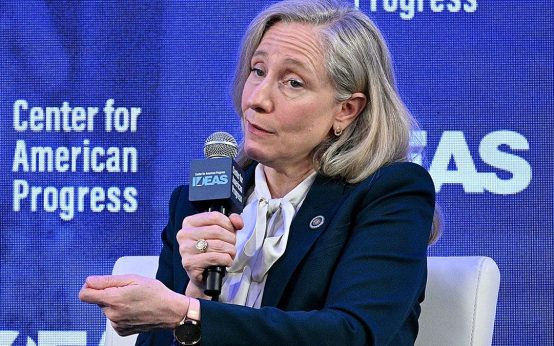 Analyzing Midterm Elections and Party Dynamics
 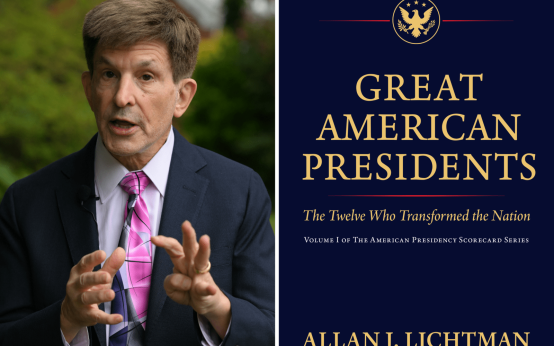 Allan Lichtman’s Framework for Assessing Presidential Greatness
 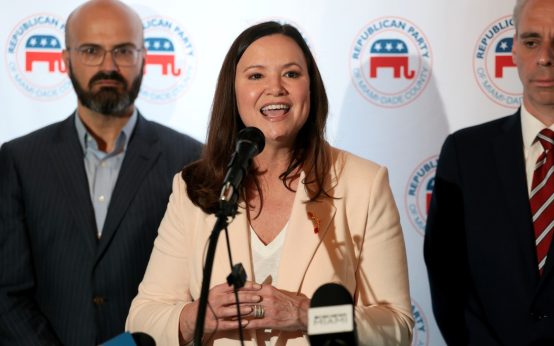 Florida Senate Race Tightens as Recent Polls Show Dead Heat
  Ethics Complaint Targets Colorado Representative Lauren Boebert
 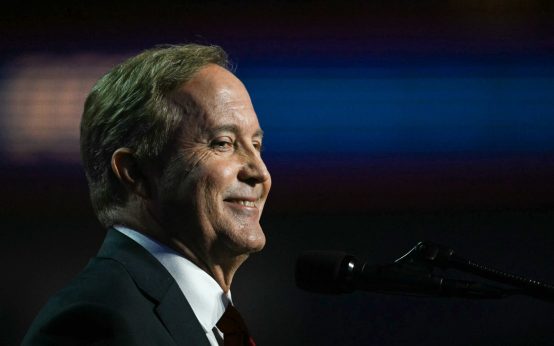 Ken Paxton’s Campaign Funding and Polls