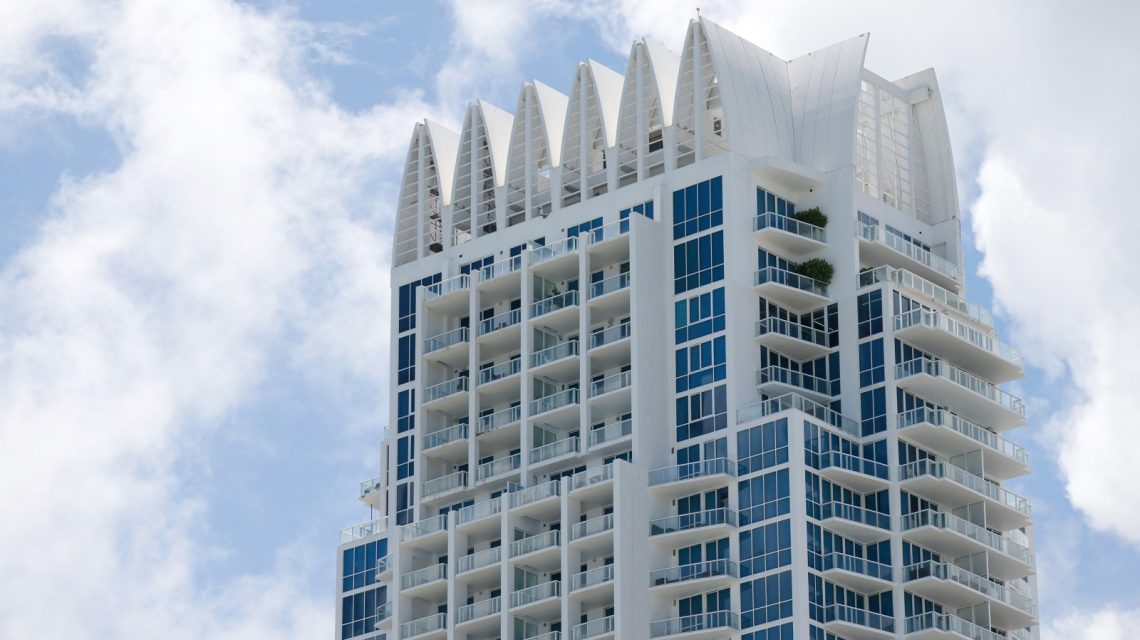
The number of Americans struggling to keep up with homeowners association (HOA) payments has increased significantly in recent years. A new study highlights that as HOA fees continue to rise, more homeowners face the risk of losing their properties.
According to research by the property data platform Cotality, HOA liens nationwide increased by 41.7% from 2022 to 2025. In 2020, there were 177,260 HOA liens; by last year, this figure had grown to 250,951. These liens represent legal notices indicating that a homeowner owes money to the HOA, which must be repaid before the property can typically be sold.
Dr. Selma Hepp, Cotality’s Chief Economist, noted that HOA dues can amount to hundreds of dollars monthly, making it difficult for households to balance budgets alongside rising insurance premiums and taxes. Homeowners tend to prioritize mortgages and utilities over HOA dues, which can remain unpaid when financial pressures mount.
Understanding HOAs
HOA fees are payments made to a homeowners association, a privately incorporated entity. This organization manages residential communities or condominium buildings, oversees repairs, maintains amenities, and enforces property upkeep rules.
Those purchasing a property within a community run by an HOA must legally pay these dues, typically ranging from $200 to $400 monthly.
Trends in HOA and Non-HOA Homes
Generally, condos and townhomes are more likely to have HOA fees than single-family homes. New constructions also more frequently include HOAs compared to older homes. Previously, homes subject to HOA fees were a minority in the housing market, but that has changed. Realtor.com reported that as of 2026, 44% of homes for sale incurred monthly HOA fees, a rise from 34.3% in 2019.
In contrast, homes without HOA fees were 43.6% this year, up from 34.3% in 2019. Additionally, the median HOA fee increased from $108 in 2019 to $135 in 2026.
Consequences of Unpaid HOA Fees
Failure to pay HOA dues can result in the association filing for a lien against a homeowner’s property. Although this does not immediately result in foreclosure, it presents substantial challenges. Typically, liens must be settled before selling or refinancing a home, and accumulating interest, penalties, and legal fees exacerbate the debt.
In certain states, unresolved debt might ultimately lead to foreclosure. Minnesota poses particular risks, with a conversion rate of 47.5% of liens into foreclosures due to its aggressive out-of-court process, followed by Nevada with a 40% risk.
From 2022 to 2025, foreclosure filings attributed to unpaid HOA dues rose nationally, dominated by states like Florida, Texas, Nevada, California, and Arizona.
States Most Affected by HOA Fees and Foreclosures
Over three years, HOA-related foreclosure filings increased by 46.1%. Florida, Texas, Nevada, California, and Arizona represented 85.2% of the nation’s HOA foreclosure filings last year.
One contributing factor in these states is cost. Florida has the highest HOA fees relative to home prices. Cities with significant fees include Miami-Fort Lauderdale-West Palm Beach ($617), Panama City ($532), Naples-Marco Island ($711), Cape Coral-Fort Myers ($475), and Port Lucie ($449).
Another factor is the proliferation of new constructions, many governed by HOAs, particularly in Florida and Texas. Additionally, new safety regulations following the Surfside collapse in Florida have increased costs for building maintenance and reserves.
Climate change has also affected HOA fees in these states due to increased insurance costs stemming from more frequent and severe natural disasters. Florida insurance premiums increased by 60% over four years, while Texas and Arizona saw similar upward trends.
 Historic Church Transformed Into Los Angeles Boutique Hotel
  Amazon Offers Discounts to Employees at Whole Foods
  Hidden Fees in Real Estate Transactions: A Growing Concern
  Trump’s Childhood Home Sells for Nearly $2 Million After Renovation
  Luxury Five-Bedroom Home with Rooftop Deck in Edgewater
  Trump’s Housing Affordability Agenda Faces Challenges