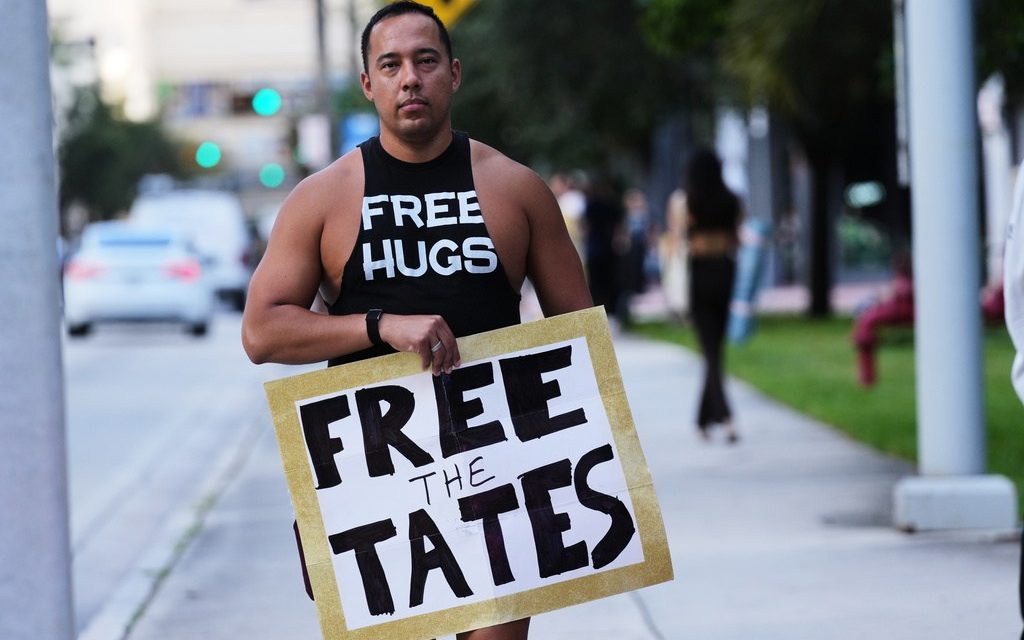
Legal Revelations About the Tate Brothers
During a federal court session in Miami, revealing details emerged about Andrew and Tristan Tate’s purported wealth. Filed documents from their legal team suggest that the brothers’ ostentatious displays of wealth were largely concocted. This revelation comes amid attempts by prosecutors to depict the Tates’ supposed fortunes as a critical factor in assessing their risk of fleeing, especially as they face extradition to the United Kingdom.
Defense counsel argues that the brothers’ internet personas, characterized by extravagant possessions such as Bugattis and luxury yachts, were overstated or rented. The brothers’ lawyers described these portrayals as intentional satire and hyperbole, likening them to performances designed to capture more audience engagement, much like Sacha Baron Cohen’s Ali G character. The online persona was crafted for digital clicks and revenue rather than being rooted in reality.
Andrew Tate’s Online Image: Satirical Performance
In court, defense attorney Howard Srebnick remarked on Andrew Tate’s deliberate and exaggerated online presence. He referenced Tate’s vaunted quips, including “What color is your Bugatti?” as strategic components used to project an exaggerated figure of success rather than reflecting actual assets. These presentations involved rented sports cars and simulated luxury, rather than genuine possessions, aiming to amplify interaction from their considerable online following.
Lawyers emphasized that the brothers enjoyed exaggerated claims of their influence to boost viewership, consequently increasing profits for their online enterprises. They maintained that the fantastical and exaggerated nature of the content ensured higher engagement, enhancing income opportunities.
Reality Behind Famous Representations of Wealth
The legal documents contested numerous tangible indicators of the brothers’ alleged wealth. Notable hypercars showcased in various productions, including a $2.1 million Aston Martin alongside two Bugattis valued at $5 million and $7 million, were hired rather than owned. These vehicles represented symbolic props to reinforce the digital characters portrayed by the Tates.
Moreover, Andrew Tate’s tour on the 41-meter Obsidian Blade yacht, claimed as evidence of sizable assets by prosecutors, was identified as promotional content rather than ownership. Even their supposedly lavish watch collection was called into question, with defense pointing out estimates of value stemmed from external publications rather than authentic ownership of items like Jacob & Co., Audemars Piguet, or Patek Philippe watches.
Importance of Wealth Claims for Prosecutors
The prosecution argues that the brothers’ depiction as wealthy globetrotters substantiates fears of evasion if they were released. They highlighted Andrew Tate’s previous assertions of holding multiple passports and extensive travel history, suggesting flight risk potential. Legal observers speculate that considerations regarding their potential for absconding are pivotal within judicial deliberations.
Attorney Jordan Matthews, unrelated to the case, shared insights with Newsweek, emphasizing the major issues surrounding their release decisions hinge on evaluating their genuine flight risks. The serious nature of the charges coupled with prior claims of holding numerous passports pose significant concerns. Nonetheless, Matthews noted the proposal of surrendering passports coupled with strict monitoring conditions, although remarked that bail in international extradition contexts is usually denied.
Prosecutors underscored the perceived wealth backdrop that they argue fueled businesses like Hustlers University, which had required payments of $49.99 per month, and an offshore-finance course charging $5,000 per participant.
Extradition and Legal Battle Progression
Since their detention on July 18, Andrew and Tristan Tate have been in federal custody facing extradition to the U.K., where they confront 59 charges including serious accusations. As the deadline for the Crown Prosecution Service to present evidence to the State Department looms closer, an extradition hearing has yet to be scheduled.
Their defense contends that the U.K. request is not valid due to a concurrent criminal case in Romania, where the procedure should take precedence. Romanian authorities have permitted their freedom under certain judicial constraints, and the defense maintains their compliance and commitment not to evade proceedings.
The Miami judge reiterated adherence to U.S. legal parameters, not Romanian procedural frameworks, leaving the fate of the brothers under federal jurisdiction as extradition deliberations continue.
 Ukraine Missile and Drone Barrage Hits Russia Amidst Elections
  U.S. Strategic Goals Remain Unmet Amid Prolonged Conflict
  New Photos Reveal Damage from Iranian Strikes in the Middle East
  Assassin of Chilean Diplomat Orlando Letelier Faces Deportation 50 Years After Assassination
  Gorillaz and Macklemore Respond to Controversy Over Israel-Palestine Statements
  Investigation into Lion Deaths in Tanzania