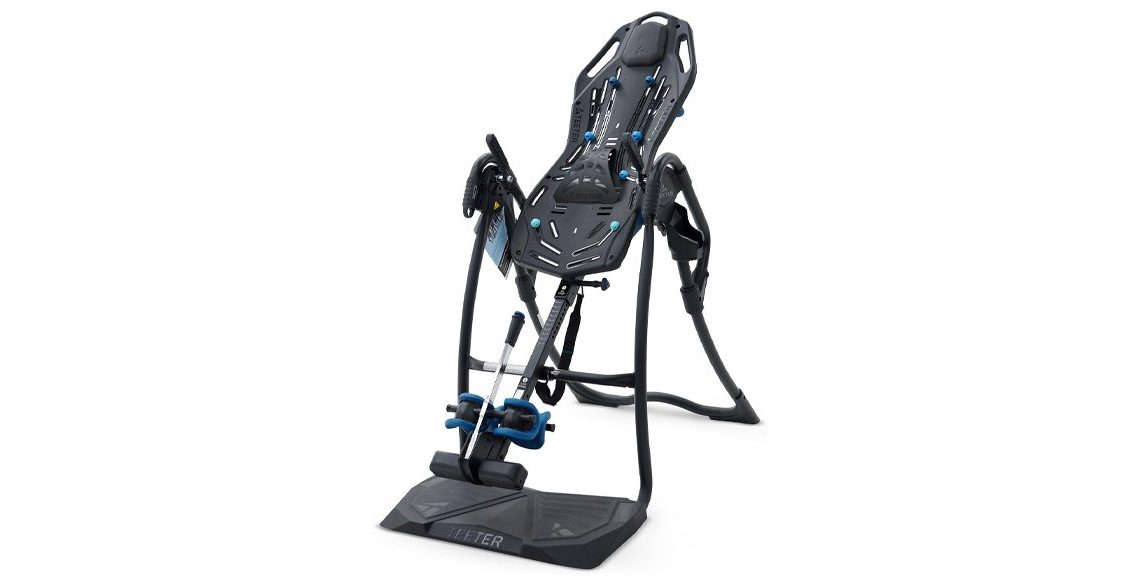
If you suffer from back discomfort and stiffness, you might consider using inversion tables as a method for relief. Often referred to as spinal traction, these tables are gaining popularity for treating sciatica and other chronic pain conditions. Many find inversion tables a viable option compared to painkillers or prescription medications.
What is an Inversion Table?
Inversion tables are therapeutic devices that allow you to hang upside down comfortably. They have straps and buckles to secure your ankles, preventing falls. Handles on the table let you stretch your back muscles effectively. When ready to return to an upright position, the handles assist you in doing so smoothly.
How Do Inversion Tables Work?
Pressure on vertebrae can cause soreness, pinched nerves, headaches, and body pain linked to spinal compression. Inversion tables address these issues by reversing gravity’s force. While hanging upside down, your vertebrae in the back and neck gain space, relieving pressure and enhancing blood flow to constricted areas.
Benefits of Using Inversion Tables
- Back Pain: Regular use can offer temporary relief from chronic back pain and soreness.
- Muscle Spasms: Inversion allows effective stretching of muscles and connective tissue in the lower back.
- Kidney Stones: Inversion therapy may help pass stones more comfortably.
- Poor Circulation: Enhances blood flow to typically deprived body parts.
- Inflammation: Promotes lymphatic fluid flow, reducing inflammation.
Effectiveness of Inversion Therapy
Results can vary. Some individuals find inversion a vital part of their routine, enabling them to enjoy activities that were once painful. Others experience little benefit and prefer other methods like back stretchers or yoga.
Risks of Inversion Tables
While generally safe, inversion therapy poses risks for those with specific conditions. Increased pressure on the spine, head, and eyes can be harmful for those at risk of retinal detachment or stroke. It’s painful for some with spinal injuries and not advisable for people on blood thinners. Consulting a doctor before starting inversion therapy is crucial.
Top Inversion Table Choices
- Teeter FitSpine LX9: Offers deep stretching with acupressure nodes and lumbar support. Compatible with a mobile app to enhance therapy.
- Innova ITM5900: Featuring heat and vibrating massage pads for comprehensive treatment. Multiple modes customize therapy sessions.
- Harison Inversion Table: Sturdy design with adjustable rollers for comfortable inversion. Long handles for adjusting angle and position.
- Teeter EP-560 Ltd.: Foldable design with optional acupressure nodes and lumbar bridge. Allows locking in the inverted position for safer use.
- Innova Inversion Table: Adjustable headrest and settings cater to different users. Provides adequate padding and center of gravity adjustments for maximum comfort.
Prices are subject to change. For daily deals and product recommendations, consider checking out reputable sources.
 Medical Diagnosis Errors: Understanding the Crisis
  Lymphatic Drainage and Ice Sculpting: Emerging Wellness Trends
  The Rising Trend of GLP-1 Medications Among College Students
  The Challenges and Opportunities of Testosterone Therapy for Menopausal Women
  Concerns Rise Over NIPSCO Permit In Jasper County
  Long-Term Health Impacts of 9/11 and the Continuing Response