
The Trump administration reached day 181 of what started as Operation Epic Fury, moving to a lasting ceasefire by day 38. Despite efforts to utilize military and diplomatic tools for ending the conflict, Iran has proven resistant. As a countermeasure, Trump has now employed economic tactics, most notably sanctions coupled with a naval blockade on the Strait of Hormuz.
On Truth Social, Trump committed to an ‘Economic D-Day,’ intending to apply unprecedented economic pressure on Iran. Treasury Secretary Scott Bessent echoed this sentiment, predicting international cooperation in this intensified campaign. He stated, ‘This will be the largest coordinated economic isolation ever, pushing countries to choose sides.’
Iran’s Foreign Minister Abbas Araghchi dismissed these threats, suggesting they would fail. China’s foreign ministry spokesperson Lin Jian urged for political and diplomatic solutions, criticizing U.S. measures as ineffective.
The White House struggles to identify key figures within the Iranian regime. Attempts with individuals like Araghchi, parliamentary speaker Mohammad Bagher Ghalibaf, and IRGC commander Maj. Gen. Ahmad Vahidi have not yielded results. Trump’s approach raises questions about whether this aligns with goals of regime change.
Since the onset of Epic Fury and Roaring Lion, regime change has been a stated goal, as Trump and Israeli Prime Minister Benjamin Netanyahu declared earlier. Despite initial actions, Iran’s regime structures remained intact, particularly the Islamic Revolutionary Guard Corps and Basij paramilitary force.
By day 38, Trump repositioned strategy to negotiations, resulting in a ceasefire agreement and memorandum of understanding, neither proving effective. Iran held firm on critical issues like uranium enrichment and Strait control, continuing military responses.
Reflecting on past U.S. interventions, Trump appeared hesitant to engage in nation-building, opting instead for potential negotiation with existing Iranian administration or internal revolt by the populace.
In January 2026, economic protests in Tehran’s Grand Bazaar sparked nationwide uprising. Severe economic downturn and currency collapse fueled public dissent against the Islamic Republic. Iranian rial plummeted to historic lows against the U.S. dollar.
Security forces responded with aggressive crackdown, including internet shutdown, with substantial civilian casualties and arrests.
Treasury Secretary Bessent announced the commencement of Operation Economic Outcast, further destabilizing Iranian economic conditions. The current strategy aims to replicate January 2026 scenarios, questioned for its effectiveness in generating regime change.
Combining national power elements effectively remains crucial. Observations suggest the White House might reconsider isolated tactics in favor of integrated strategies.
Col. Jonathan Sweet (Ret) and Mark Toth, cofounders of INTREP360, focus on national security and foreign policy. Copyright notice applies.
 The Cost of Challenging Beijing
 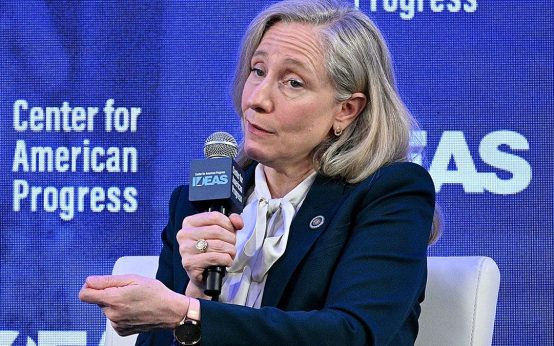 Analyzing Midterm Elections and Party Dynamics
 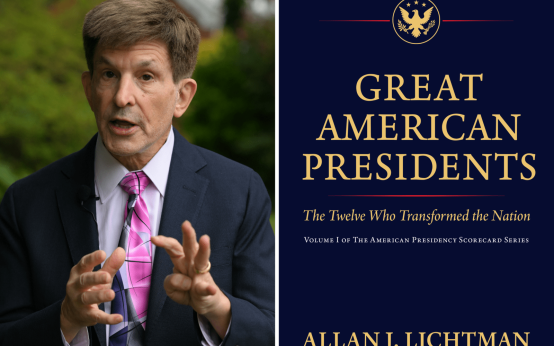 Allan Lichtman’s Framework for Assessing Presidential Greatness
 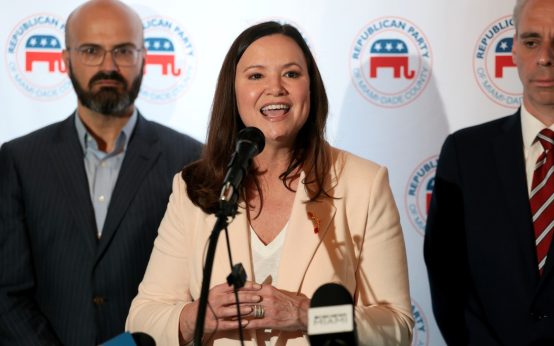 Florida Senate Race Tightens as Recent Polls Show Dead Heat
  Ethics Complaint Targets Colorado Representative Lauren Boebert
 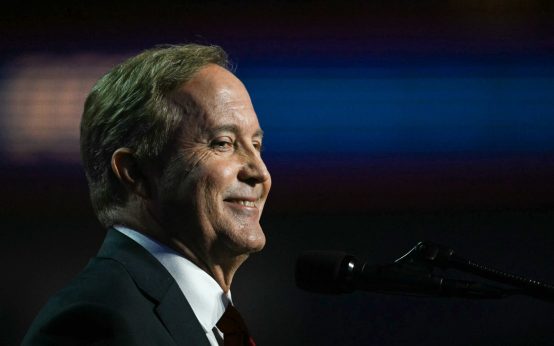 Ken Paxton’s Campaign Funding and Polls