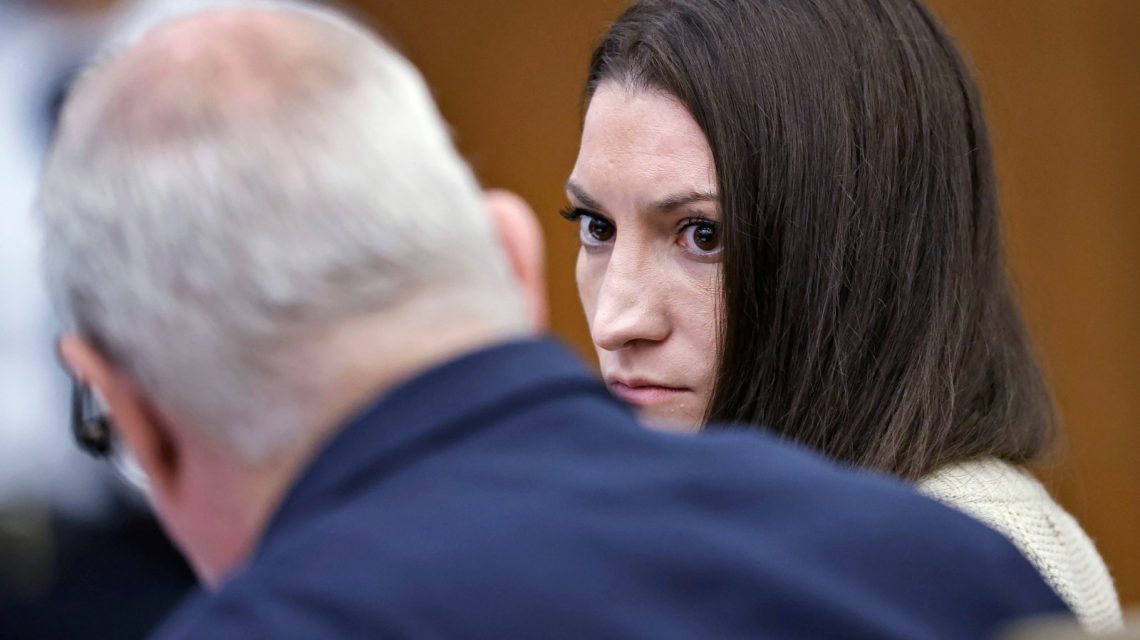
The conclusion of Lindsay Clancy’s murder trial saw heightened tensions as defense attorney Kevin Reddington fervently contested prosecution psychiatrist Dr. Avram Mack’s assessment. Mack asserted that Clancy was severely depressed but not psychotic when she killed her children. The prosecution presented final rebuttal witnesses to challenge the defense’s claim of Clancy experiencing postpartum psychosis.
Courtroom Exchange Over Mack’s Testimony
Reddington questioned Mack about his qualifications and evaluation methods. The defense attorney cited past cases where Mack’s testimony faced criticism. Reddington claimed Mack’s opinion could be unreliable. Mack defended his stance, maintaining that psychosis does not inherently prevent moral reasoning.
Discussions turned to postpartum psychosis with Reddington challenging Mack’s understanding. The judge occasionally intervened due to the contentious nature of the debate. Observers noted jurors’ engagement, with several taking notes.
What are you smiling for? This is not funny, sir,
Reddington snapped, reacting to Mack’s demeanor when discussing psychological tests. The defense suggested potential confirmation bias in Mack’s analysis. Yet, Mack denied any bias, maintaining his evaluation was independent.
Disagreement Among Prosecution Experts
The prosecution’s experts, Mack and Dr. Kirk Heilbrun, displayed differing psychiatric diagnoses for Clancy. Mack identified major depressive disorder, while Heilbrun diagnosed bipolar II disorder. Despite different conclusions, both experts agreed she was not psychotic during the killings.
Religious Question Sparks Mistrial Request
A critical moment arose when Heilbrun mentioned Clancy’s Catholic faith and queried her views on suicide as a “mortal sin.” Reddington objected, accusing the prosecution of misconduct and requesting a mistrial. Judge Sullivan dismissed this but ordered jurors to disregard the religious testimony.
The discussion of Clancy’s religious beliefs highlighted the ongoing tensions as the trial nears its close.
Prosecution’s Perspective on Clancy’s Actions
Heilbrun countered the defense’s theory of a psychotic command, suggesting Clancy’s actions stemmed from a severe suicide attempt. He referenced her statement to Patrick Clancy upon her return, indicating her suicidal intentions rather than an external command for the children’s deaths.
Exploring Medication’s Role
Aside from psychosis, author Edward L. Jones III posited that psychiatric medication could have influenced Clancy’s mental state. He drew parallels with the 2006 David Crespi case, where medication played a role in homicidal behavior.
Clancy’s prescription history included 13 medications, some associated with reports of severe agitation or behavioral changes. Despite numerous adverse-event reports, causation by medication remains unproven.
Upcoming Decisions
As the trial concludes, jurors will deliberate on two conflicting narratives. The determining question remains whether Clancy’s actions were driven by psychotic hallucinations or a desperate, comprehensible suicide crisis. Final rebuttal testimonies continue as closing arguments are anticipated soon.