
House Democratic leader Hakeem Jeffries recently met privately with Jared Kushner, son-in-law and an outside adviser to President Donald Trump, in New York. This meeting signals the White House’s efforts to collaborate with Democrats if they gain majority control from Republicans after the midterm elections.
The meeting, reported by The New York Times, covered topics such as housing, immigration, and the high cost of living. Inflationary pressures continue to challenge Americans, with Democrats attributing these issues to Republican policies under Trump’s administration.
Kushner proposed that Jeffries meet with White House Chief of Staff Susie Wiles to further discussions. Jeffries, poised to become House Speaker if Democrats prevail in November, urged the Republican government to abandon its rigid approach that he claims has failed the American people.
“To stop the madness, we have repeatedly made clear that an extremist approach will not work and will be met with forceful opposition,” Jeffries stated. “The question is whether Republicans will join us.”
This gathering illustrates Republicans’ concerns over losing their congressional majority and the necessity to build alliances with Democrats to minimize potential political repercussions for the president.
Should Democrats regain power, they are expected to pursue aggressive oversight of the administration. Jeffries has voiced his intent to investigate what he describes as “crooks” within the administration, with impeachment as one of several options available.
House Speaker Mike Johnson, a Trump ally, downplayed the meeting when questioned. He indicated that Kushner’s involvement in the administration is minimal, claiming Kushner has various interests beyond day-to-day responsibilities at the White House. The White House and Kushner have not commented on the matter.
Jeffries and Kushner have collaborated before, notably on legislation promoting sentencing flexibility for specific drug offenses. Despite not being particularly close, they maintain a working relationship amidst Trump’s attacks on Jeffries and his responses.
In Trump’s second term, Kushner plays a significant role as an adviser, particularly in foreign diplomacy, despite lacking an official position. The president has met Jeffries once since resuming office, employing politically symbolic gestures that hint at further ambitions.
Trump has often bypassed Congress through executive authority, expecting party loyalty from Republican lawmakers. This dynamic may shift dramatically if Democrats acquire control of any congressional chamber, as legislators would likely exert their authority to balance the influence of the executive branch.
As the midterm elections approach, Republicans and Democrats are in a tense race for control. House Republicans rely on Trump’s appeal to maintain their majority, hoping to defy historical trends that favor challengers during midterms.
Currently, the House GOP holds a thin majority, with battleground districts possibly determining the outcome. Democrats aim to emulate their 2018 success, which was driven by voter discontent during Trump’s first term.
The Senate, narrowly divided, has also become a focal point with concerns over Republican enthusiasm lagging while Democrats demonstrate significant voter motivation.
Democrats are pushing outsider candidates aligned with socialist platforms over traditional choices, reflecting voter dissatisfaction with existing political norms.
 The Impact of Arts and Closure on Democracy
 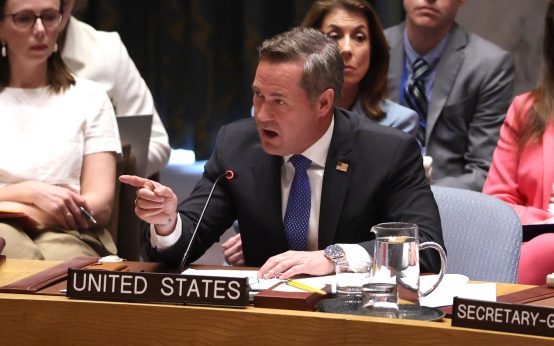 U.S. Ambassador Comments on Iran War Duration Amid Political Concerns
 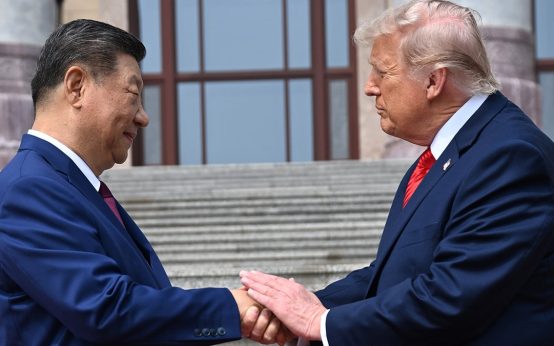 US-China Relations Under Scrutiny: Expert Warns of Escalating Tensions
  No Timeline for End of Iran Conflict
 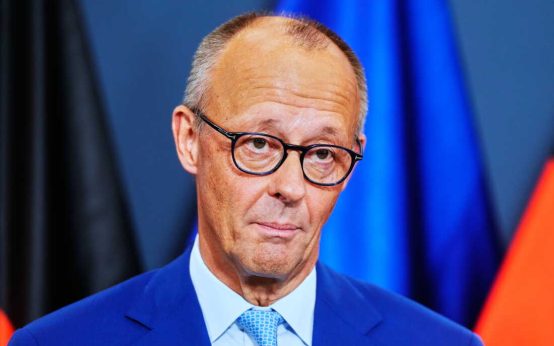 German Chancellor Merz Vows to Pursue Reforms Despite Election Setbacks
 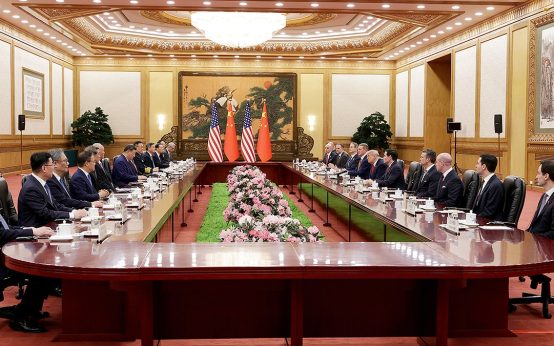 The Technology Rivalry: Trump’s Meeting with Xi and the AI Ecosystem Clash