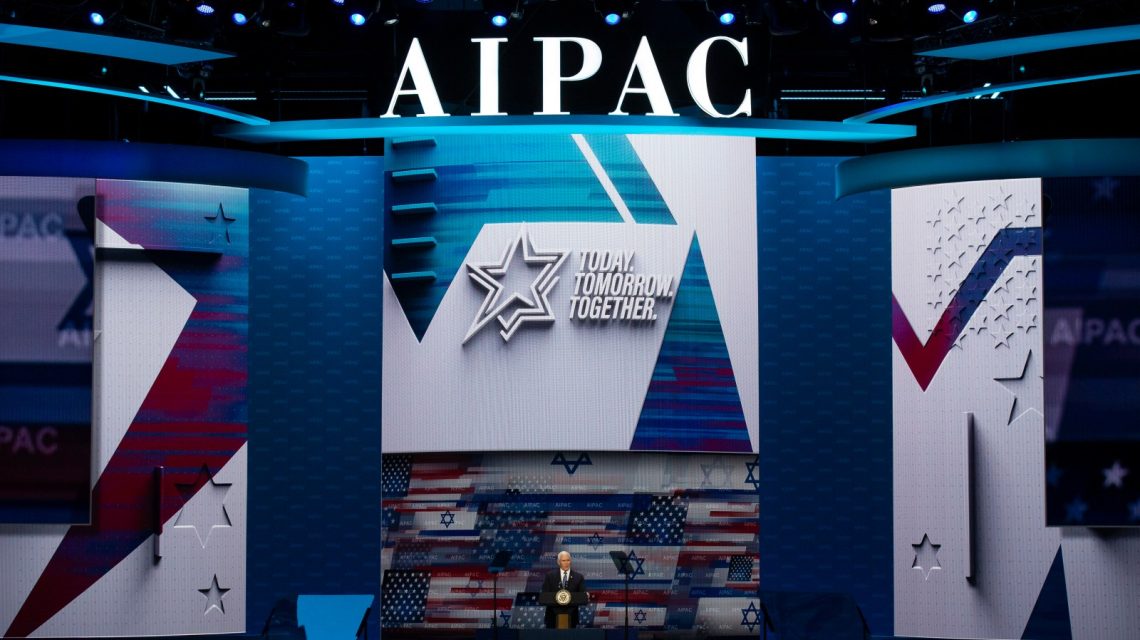
Mike Rogers, the Republican Senate nominee, has asked the American Israel Public Affairs Committee (AIPAC) to refrain from running ads against Abdul El-Sayed, his Democratic opponent. AIPAC, along with its political action committees, holds considerable influence in political races, spending millions to support candidates. However, criticism comes from some Democrats and progressives over their involvement.
In recent Democratic primaries, many voters opposed AIPAC’s influence, leading to victories for candidates against AIPAC-backed opponents. This trend emerged in Michigan, where El-Sayed, who opposes Israel’s tactics in Gaza, won the Democratic primary over Haley Stevens, despite heavy funding from AIPAC’s affiliated groups like United Democracy Project (UDP).
Rogers, a former congressman and an ally of Israel, is preparing to face El-Sayed in the upcoming November election. Rogers has been endorsed by former President Donald Trump. Despite being a supporter of Israel, Rogers’ campaign pushed back against AIPAC’s direct involvement, indicating prior support in the Democratic primaries may have backfired.
El-Sayed called Israeli actions in Gaza genocide, which Israel denies. He advocates ending unconditional U.S. military aid and rejects corporate PAC funds.
Despite accusations of antisemitism, El-Sayed reassured Jewish Americans of his commitment to their safety, equating it to the commitment for his own family.
Though AIPAC prepared to spend significantly against El-Sayed, Rogers urged them to hold off, revealing political concerns about AIPAC’s participation. Meanwhile, AIPAC’s spokesperson declared their intent to show El-Sayed’s policies as harmful to Michigan and the U.S.
Michigan’s complex political landscape is under scrutiny as El-Sayed and Rogers vie for the Senate seat left vacant by retiring Democrat Gary Peters. The state has shown a history of unpredictable elections, with politics often shifting between parties.
The Michigan Senate race is seen as pivotal. Forecasts rate it as a toss-up, reflecting Michigan’s status as a battleground state. Both candidates remain close in polls, with mixed results across different surveys. An AARP poll showed El-Sayed slightly ahead. In contrast, a Fox News poll placed Rogers in the lead.
Public opinion on U.S.-Israel relations has grown more divided. While the U.S. maintains strong ties with Israel, debates on military aid have intensified, especially following recent conflicts. Polls indicate growing Democratic support for Palestinians and critique of Israeli policies, showing a shift in American perspectives.
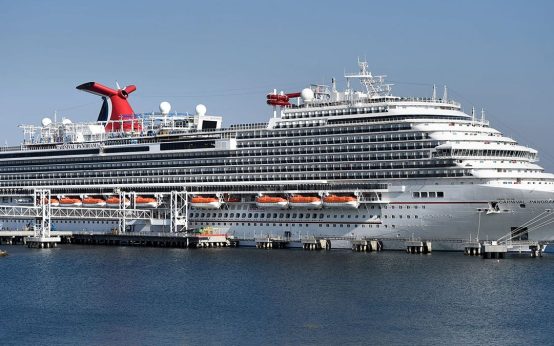 Carnival Panorama Passenger Jumped Overboard During Final Leg of Cruise
  The Impact of Arts and Closure on Democracy
 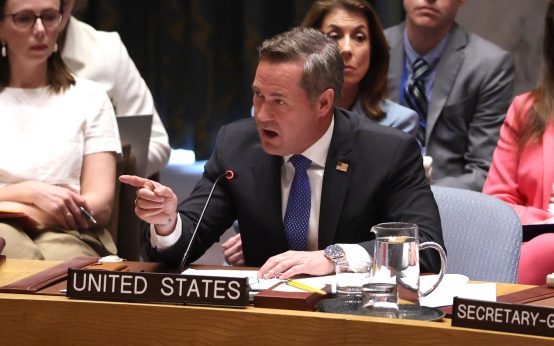 U.S. Ambassador Comments on Iran War Duration Amid Political Concerns
 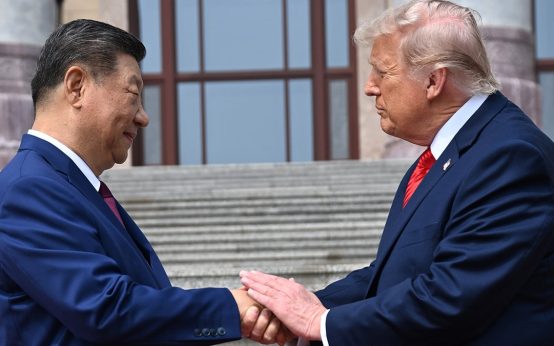 US-China Relations Under Scrutiny: Expert Warns of Escalating Tensions
  No Timeline for End of Iran Conflict
  German Chancellor Merz Vows to Pursue Reforms Despite Election Setbacks