Background on Amendment 3
Two years ago, Missouri voters were faced with Amendment 3—a measure to secure reproductive rights in the state’s constitution. Despite false claims from abortion opponents that it would enable gender transition surgeries for minors, voters approved it, overturning Missouri’s strict abortion ban enacted after the U.S. Supreme Court overturned Roe v. Wade in 2022.
Current Efforts to Repeal Amendment 3
Republican leaders are once again targeting these rights with a new ballot initiative, also named Amendment 3. This proposal aims to reinstate Missouri’s abortion ban while allowing limited exceptions. It also seeks to constitutionally prohibit gender transition care for minors, a restriction already in place since August 2023.
Missouri’s Political Landscape
The Missouri GOP maintains a supermajority in the legislature and controls statewide offices. Yet, citizens have repeatedly used ballot initiatives to enact policies opposed by Republican leaders, such as expanding Medicaid, legalizing marijuana, raising the minimum wage, and restoring abortion rights.
Voter Pushback
Recently, over 80% of voters rejected a Republican attempt to make constitutional amendments nearly impossible for citizens. Additionally, Gov. Mike Kehoe’s plan to eliminate the state income tax was rejected by more than 83% of voters.
Misleading Campaign Tactics
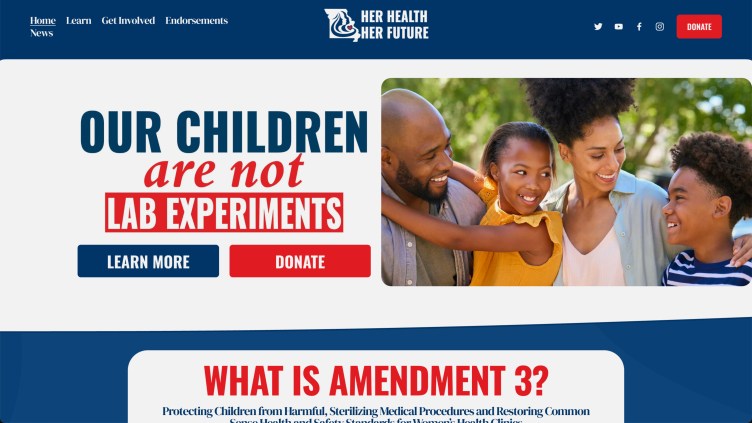
The new Amendment 3 uses misleading language, suggesting it would protect children from gender transition surgeries while omitting its impact on abortion rights. Campaigns propping up the measure, like Her Health, Her Future, advocate for prohibiting gender surgeries, even though restrictions are already in place.
Polling Insights
Polls indicate that while 60% of Missouri voters support legal abortion early in pregnancy, majorities oppose gender transition medications and surgeries for minors. Presented with Amendment 3’s combined provisions, 47% support it while 40% oppose it.
Political Arguments and Opposition
Rep. Brian Seitz claims the amendment reflects voter intentions by introducing abortion exceptions and tying them with gender transition care restrictions, which he argues is a reproductive issue. Abortion rights advocates, however, see it as a tactic to restore the state’s abortion ban.
Ballot Summary Controversies
The summary written by lawmakers did not clearly explain how Amendment 3 would repeal reproductive rights. Courts have intervened, demanding clearer language to reflect its effects. Secretary of State Denny Hoskins, endorsing the amendment, faced judicial rejections of several ballot summaries.
Legal Disputes
Hoskins blocked citizen initiatives that sought to amend voter-approved measures and challenged congressional redistricting. Court rulings have mixed outcomes, with cases likely reaching Missouri’s Supreme Court.
Public and Political Reactions
Hoskins defends his actions, dismissing opposition as liberal groups backed by outsiders like Michael Bloomberg. Critics, like Sen. Maggie Nurrenbern, argue these efforts undermine voters’ ability to challenge the Republican agenda.
 Trump’s Media Ban Affects Event Coverage
 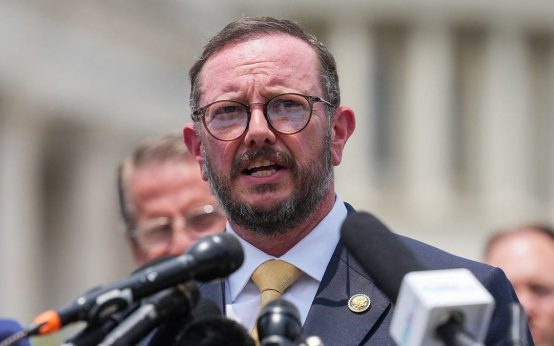 A Critical Perspective on National Spending and Healthcare from Representative Eric Burlison
 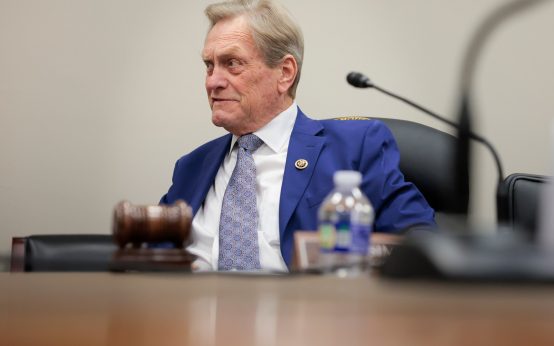 House Republican Criticizes Funding for Trump’s Arch Proposal
 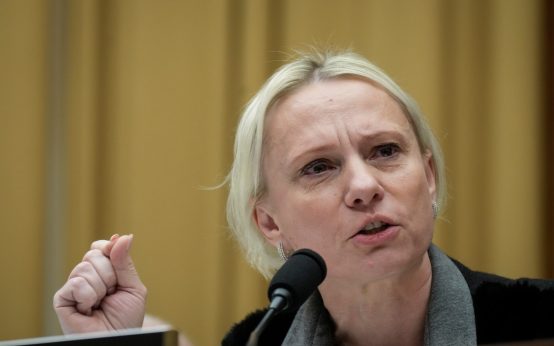 House Bill Proposes Dual Benefits for Combat-Injured Veterans
 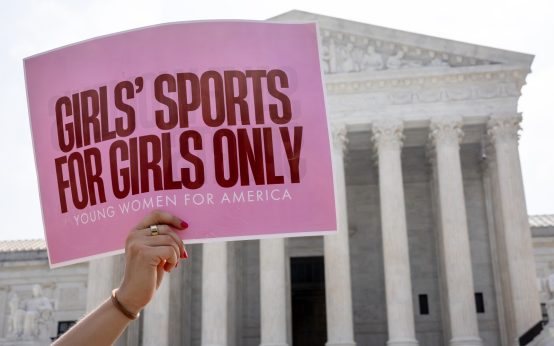 Democrats Navigate Transgender Athlete Debate Amid Midterm Elections
 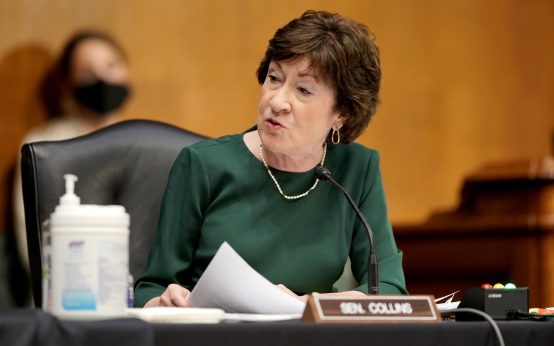 Senator Collins Warns Against Politicization of NIH Grant Funding