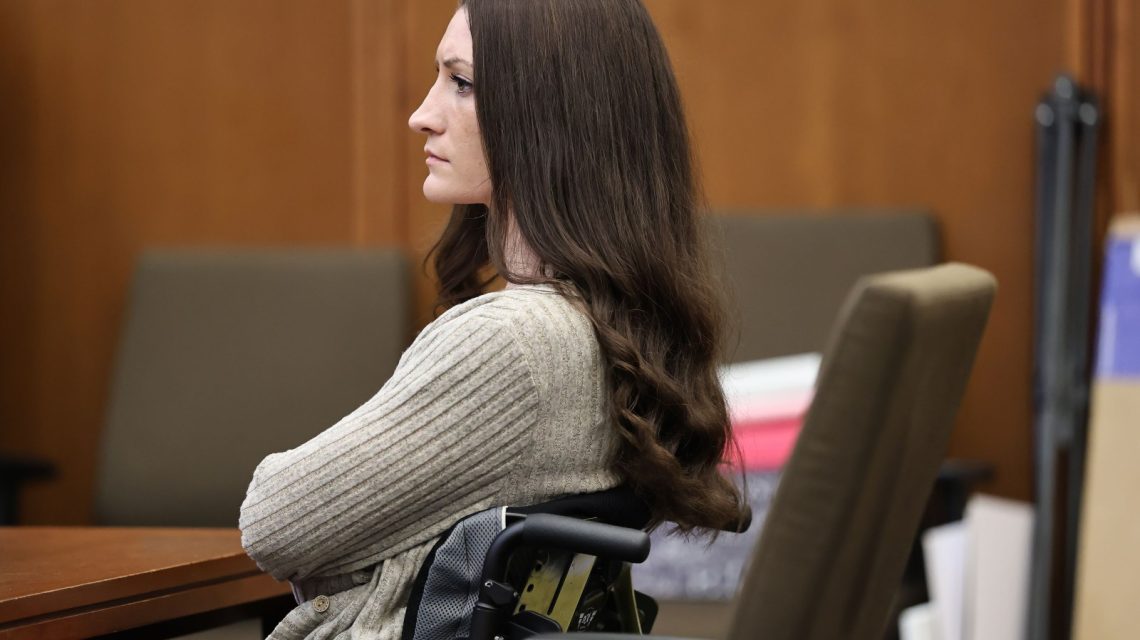
Jurors Discuss the 11-1 Split
In the Lindsay Clancy murder trial, a mistrial occurred due to the jury’s 11-1 split, potentially shifting negotiations for a plea deal. Legal experts indicate that jurors’ public comments may serve as leverage for Clancy’s defense. Jessica Levinson from Loyola Law School noted that this case nearly swung in Clancy’s favor.
Eleven jurors were inclined to find Clancy not criminally responsible, a stance that could impact prosecutors’ decisions on a retrial. Heather Cucolo, a legal expert from Emory Law and New York Law School, emphasized the significant challenge the prosecution could face if it decides to pursue another trial.
Plea Deal Considerations
It’s common for defendants to weigh plea agreements when juries favor conviction. However, when nearly the whole jury supports acquittal, plea dynamics shift. Cucolo noted that a near-unanimous vote for acquittal might signal to prosecutors that a retrial could be problematic.
Despite the possibility of a different outcome with another jury, Levinson highlighted the scale of disagreement in the first trial, which could heavily influence prosecutors’ decisions.
Public Comments and Defense Strategy
Jurors speaking publicly adds to the defense’s bargaining position. Criticisms of the lone holdout’s refusal to acquit despite acknowledged doubts could strengthen the defense’s argument. This revelation underscores the prosecution’s inability to persuade all jurors beyond reasonable doubt.
In high-profile cases, defense teams might spotlight a favorable jury split as a negotiation tactic. Such actions show prosecutors that a conviction in a retrial might be elusive and signal the benefits of considering a plea deal.
No Certainty in Plea Deals
Neither expert predicts an inevitable plea deal. A new jury would re-evaluate evidence independently, and prosecutors may adjust their strategy in a retrial. However, the initial trial has provided critical insights for both sides. From the defense’s perspective, the jury’s leaning toward not guilty by reason of insanity is pivotal, whereas for prosecutors, the lone dissenter indicates not everyone was convinced.
Next Steps for Lindsay Clancy
Clancy’s attorney, Kevin Reddington, expressed openness to negotiating a plea deal with Plymouth County District Attorney Timothy Cruz. This agreement could potentially address Clancy’s mental health and avoid a retrial. The defense seeks a court-directed acquittal by arguing legal insufficiency of evidence. If granted, Clancy would evade retrial.
Currently, Clancy remains in a psychiatric facility, awaiting the court’s next steps. Her upcoming appearance before Judge Sullivan in late September will address the defense’s acquittal request. Prosecutors will indicate whether to retry the case or pursue alternative resolutions.
Considering the mistrial, prosecutors face complex decisions. They must weigh the chance of achieving unanimous conviction against the costs and emotional tolls of another trial. The defense sees the 11-1 split as crucial evidence supporting their case.