The United States has historically led the biotechnology sector, but this dominance is waning. China now conducts more clinical drug trials and has increased its global presence in drug development significantly over the past decade. This trend affects more than just the biotech industry. Countries that excel in medical innovation gain advantages in economic competitiveness, national security, and public health.
Despite challenges, the U.S. still has opportunities to maintain its leadership, especially in regenerative medicine. This field includes technologies like engineered tissues, biomaterials, and gene editing that aim to repair or replace damaged cells and tissues. While China is active in this area, the U.S. market for regenerative technology is projected to reach $90 billion by 2030.
To stay ahead, the U.S. must foster environments that encourage innovation. This entails having a regulatory process that makes timely decisions and supports American companies aiming to compete globally.
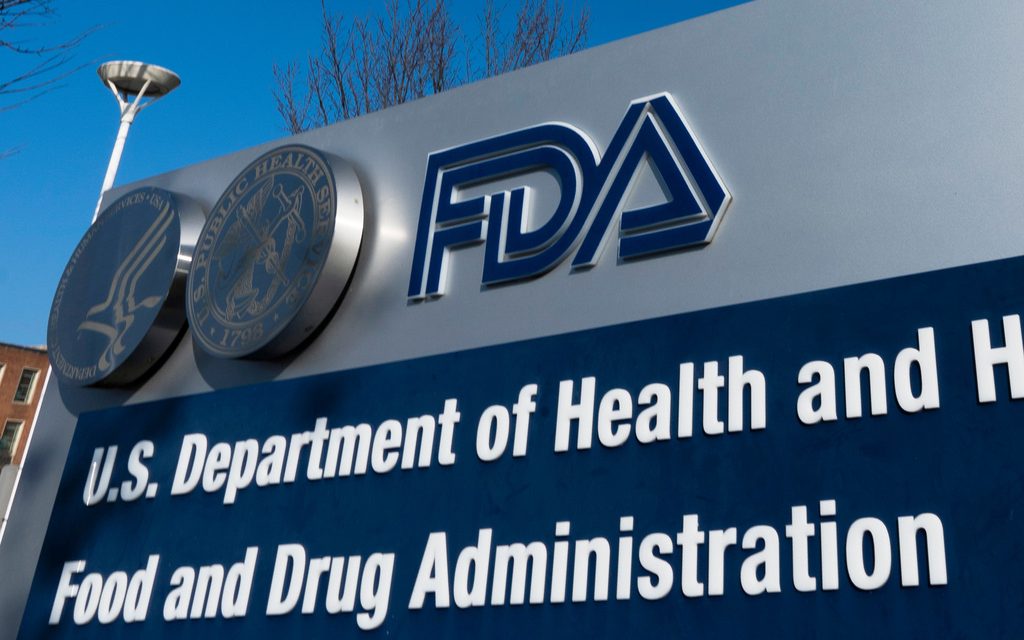
The impact of regulatory delays is evident. Regenative Labs, a biotechnology firm in Pensacola, Florida, creates products from donated human birth tissue. Though their technologies benefit patients nationwide, they cannot sell internationally due to delayed FDA decisions on their applications for a Certificate of Foreign Government. Despite federal law mandating a 20-day decision timeline, the company has faced years of waiting.
This bureaucratic delay has put Regenative Labs at a disadvantage, preventing them from expanding overseas and growing their workforce. Such inaction limits biotechnology growth, slows manufacturing, and weakens the U.S.’s competitive position globally.
The broader trend is clear. Biotechnology is rapidly becoming a key industry of the 21st century. Nations that advance in this field will steer future developments. The U.S. has been the global standard-bearer in medical innovation, but that status is at risk, especially with China’s ambitions to lead. Failing to streamline bureaucracy harms American innovators and risks losing a strategic national advantage.
The impact of U.S. biotechnology extends beyond economic markets. American medical innovations can improve care for thousands of U.S. service members, military families, and Americans living abroad. Preventing access to these treatments for these groups is counterproductive.
To maintain a leadership role, the U.S. needs a regulatory approach that supports innovation and delivers timely, transparent decisions. These steps are crucial for promoting better health outcomes and securing the U.S.’s biotechnology leadership.
David Mansdoerfer is a former Deputy Assistant Secretary for Health and serves as an adjunct professor in health policy and politics at Pepperdine University School of Public Policy.
Copyright 2026 Nexstar Media Inc. All rights reserved.
 The Cost of Grudges and the Power of Forgiveness
  Alan Alda’s Journey Through Career and Health
  Efforts to Combat Obamacare Fraud Intensify
  Potential Link Between Voice Disorders and Dementia Risk
  Understanding Misperceptions and Inaction in Sexual Assault Prevention
  Study Highlights Risks Associated with Borg Drinking Trend on U.S. College Campuses