In April 2025, the Office of the U.S. Trade Representative introduced a new tariff formula, dubbed ‘Liberation Day.’ Initially, it appeared complex, featuring Greek symbols and academic references. However, economists quickly identified flaws. Key components in the formula neutralized each other, primarily relying on bilateral trade deficits.
An economist filed a Freedom of Information Act (FOIA) request to learn more about the formula’s origins. He faced over a year of delays and unfulfilled responses. Eventually, the agency acknowledged having 31 pages of relevant records but refused to release any content, citing privileged communications between the agency and the White House Council of Economic Advisers.
The refusal to disclose these documents raises questions about the formula’s economic validity. If its economic rationale was as solid as claimed, why does the government not share it publicly? The Council of Economic Advisers, a group of academic experts, reportedly participated in the formula’s preparation. Their absence in endorsing it speaks volumes.
The Liberty Justice Center, representing businesses against the tariff actions, views the withheld records as part of a larger issue. The administration’s legal justifications for the tariffs shifted multiple times, starting with the International Emergency Economic Powers Act. When courts found this inapplicable, the administration invoked other statutes like Section 122 and Section 301.
Each legal shift back to similar tariffs suggests the administration was finding justifications for pre-decided policies. Now, the courts must decide if the administration sought new legal justifications for existing tariff policies.
Another concern is the involvement of the Council of Economic Advisers. They are tasked with providing unbiased economic analysis to the president. Their participation in the tariff discussions is confirmed, but whether they critiqued or supported the formula is unknown. The administration’s withholding of records only fuels speculation.
The handling of academic sources further complicates matters. A key source, a working paper by economists Pau Pujolas and Jack Rossbach, was cited in support of the tariff formula. Later statements by Pujolas claimed that their research was misinterpreted by the administration.
Pujolas remarked, “There’s a huge gap between my study and what they’re doing.”
Withholding the 31 pages keeps crucial questions unanswered. Did anyone inside the government recognize the misuse of academic work, and were warnings ignored? By not releasing the information, the government prevents public scrutiny.
While opinions on tariffs, trade deficits, and industrial policies vary, transparency is essential. The executive branch should offer honest explanations for policies impacting considerable economic activity. Courts, businesses, and the public alike deserve to understand the government’s reasoning. What is the administration trying to conceal?
Phillip W. Magness is the David J. Theroux Chair in Political Economy at the Independent Institute. Sara Albrecht serves as chairman and CEO of the Liberty Justice Center, representing businesses contesting the administration’s tariff actions.
 EPA Contract Cancellation Sparks Legal Battle
  Press Secretary Criticizes El-Sayed Amid Michigan Senate Race Polls
 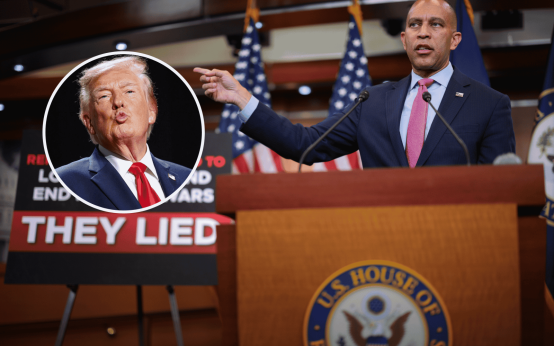 Democrats Weigh Impeachment Strategy Ahead of Midterms
 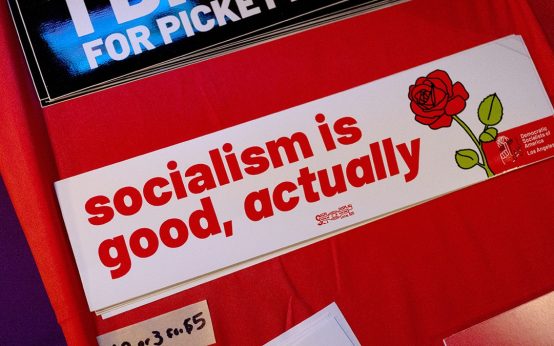 DSA Influence on State Legislative Elections and Its Impact on the Democratic Party
 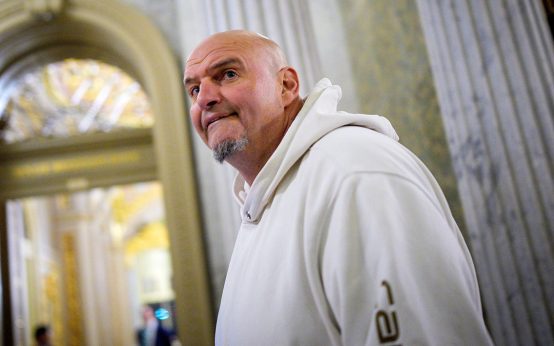 Senator John Fetterman’s Allegiance Raises Speculation
  Ohio Midterms Heat Up: Vance Attacks Democrats as Key Races Tighten