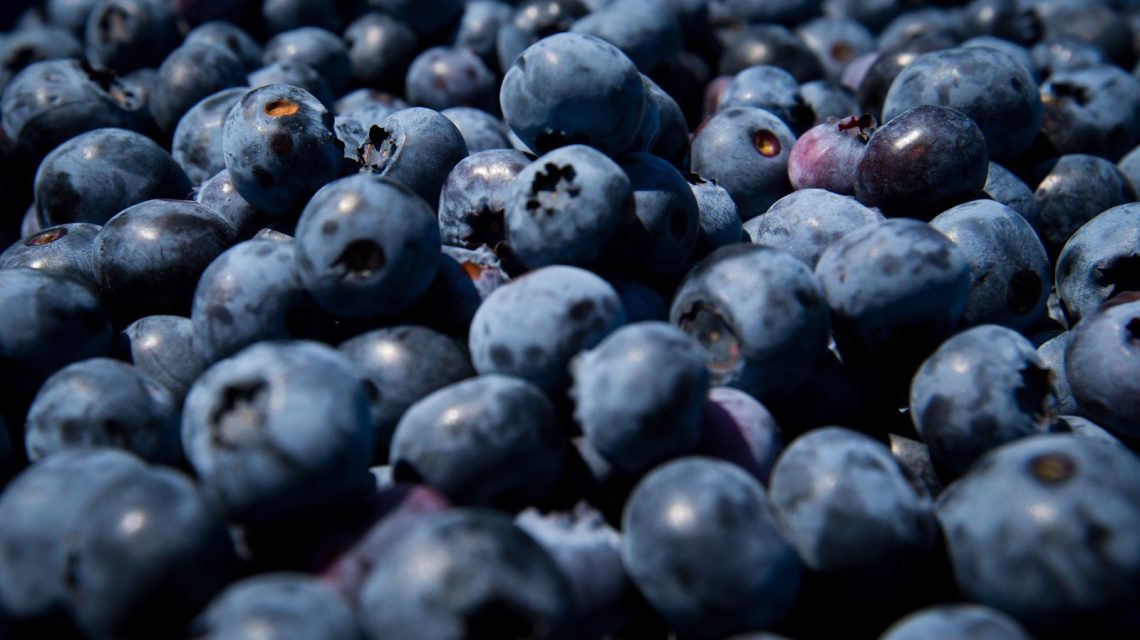
A recall for certain blueberry and mixed berry products has received the highest risk classification from the U.S. Food and Drug Administration (FDA) due to potential E. coli contamination. The Class I risk classification was applied on Tuesday to four GreenWise products available at Publix:
- Organic Whole Blueberries, 10 oz, UPC: 41415-06453
- Organic Whole Blueberries, 48 oz, UPC: 41415-12053
- Organic Whole Mixed Berries, 10 oz, UPC: 41415-06753
- Organic Whole Mixed Berries, 48 oz, UPC: 41415-12153
The FDA describes a Class I risk as a situation where there is a reasonable probability that the product will lead to serious health issues or death. Publix initiated the recall on July 29 following concerns that the products might be contaminated with E. coli O145. This strain can result in severe stomach problems, including cramps, diarrhea, and vomiting.
The affected products were distributed to Publix stores across several states: Alabama, Florida, Georgia, Kentucky, North Carolina, South Carolina, Tennessee, and Virginia. By July 30, the FDA had recorded 12 cases of illness in Florida and Georgia, with four hospitalizations reported. No fatalities have occurred. The illnesses were noted to begin between May 11 and June 5 as the FDA continued its investigation.
Understanding E. coli
E. coli, or Escherichia coli, is a diverse group of bacteria naturally present in the intestines of humans and animals. Most strains are benign and contribute positively to gut health. However, certain strains, like E. coli O145, can lead to serious sickness if contaminated food or water is consumed. This strain is a Shiga toxin-producing E. coli (STEC), which can damage the intestinal lining and, in severe situations, cause hemolytic uremic syndrome, a potentially fatal condition resulting in kidney failure.
E. coli can enter the food supply through fecal contamination. This can happen with crops, undercooked meat, unpasteurized dairy, or poor hygiene practices. Anyone can be affected, although children under 5, the elderly, and those with weakened immune systems are at greater risk.
Broader Concerns About Foodborne Illnesses
The recall takes place amid heightened concerns about the global impact of foodborne diseases. A recent study backed by the World Health Organization suggested that parasites transmitted through food resulted in around 171 million illnesses worldwide from 2000 to 2021. This research connected 14 parasitic ailments to about 4.89 million disability-adjusted life years, which combine years lost to early death and years lived with disability or illness. Although not directly linked to the parasitic diseases from the study, the E. coli outbreak highlights the ongoing risks of harmful organisms in our food supply.
Efforts in surveillance, sanitation, and rapid investigation of outbreaks are crucial to minimizing these risks.
 Orthopedic Surgeon Advocates for Joint Health Through Basic Care
  Woman’s Vigilance Led to Early Breast Cancer Diagnosis
  Concerns over Kratom Derivatives Spur Federal Attention
  Study Links ADHD to Increased Dementia Risk
  The Role of Trained Advocates in Patient Care
  Concerns and Legal Actions Arise Over GLP-1 Drugs and Vision Loss