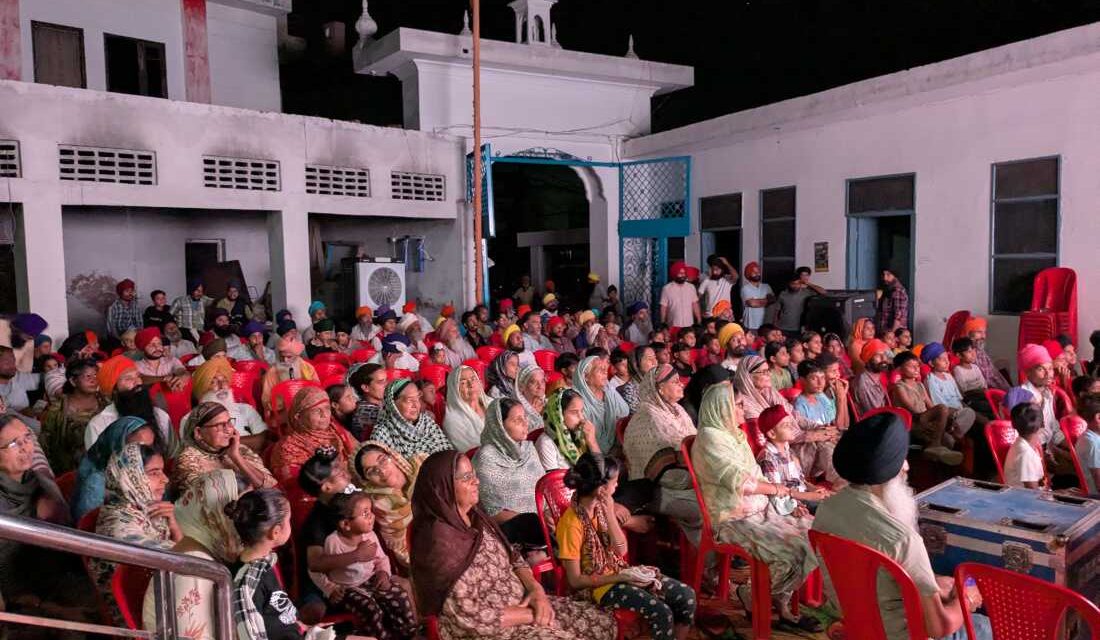
In early July, many gathered in Bandala village, located in Punjab, India, for a special event. They were there to watch Satluj, a film the Indian government blocked citing ‘national security’ concerns. This event took place on a humid evening, where local farmers finished their day’s labor and convened at a Sikh temple.
Attendees sat on plastic chairs, segregated by gender, as volunteers served strawberry juice. The gathering was unusual because the film was never approved for theatrical release. It was also removed from a streaming service shortly after being available. The government has not publicly stated reasons for this blocking. Despite this, promotional materials openly advertised the film, depicting it as based on real events concerning Sikh history and identity. Punjab is a region where Sikhs form the majority of the population.
A photograph taken on July 15, 2026, shows villagers watching Satluj at the Gurudwara Singh Sabha in Gurdaspur. The story focuses on Jaswant Singh Khalra, an activist who was murdered after revealing unlawful killings by security forces during the separatist movement in the 1980s. This period included the Indian army’s assault on the Golden Temple, a significant Sikh religious site, resulting in high casualties. Following incidents included the assassination of Prime Minister Indira Gandhi by her Sikh bodyguard.
Traditionally, many films, including Satluj, face governmental restrictions. Yet, this ban sparked unusual resistance against Prime Minister Narendra Modi’s Hindu nationalist administration. Across Punjab, Sikh leaders encouraged their community to watch the film. There were protests and organized screenings in temples and public spaces. Individuals shared pirated copies via platforms like WhatsApp and YouTube.
Sociologist Sanjay Srivastava noted the unique nature of this defiance, reflecting unresolved issues highlighted in the film. The film’s backdrop is during the 1990s when Sikh separatism led to violence and many Sikhs fled abroad. Lawyer Sarabjit Singh Verka mentioned police excesses like ‘bullet for bullet’ policies and abductions for ransom. Amid this unrest, Jaswant Singh Khalra dedicated himself to documenting these killings. Portrayed by actor Diljit Dosanjh in the film, Khalra gathered evidence of police misconduct, suggesting up to 25,000 might have been killed. However, HR lawyer Verka suggests the actual number is less, criticizing the government’s failure to verify and address past excesses.
Khalra vanished in 1995, and only years later were six police officers convicted for his fate. The government provided little justice to victims, with many perpetrators escaping accountability. Authorities remain reluctant to acknowledge these past offenses, exemplified by the ongoing prohibition of Satluj.
Initially scheduled for a December 2022 release, Satluj faced years of delays. Director Honey Trehan recalled conflicts with India’s film board officials. Without a need for certification to stream online, the film faced swift removal post-release, attributed to unnamed ‘developments’. Authorities voiced concern over the film stirring separatist sentiments, especially with overseas Sikh communities actively campaigning.
However, BJP official Jagmohan Singh Raju admitted a single film isn’t enough to radically alter public views but can subtly influence them over time. Film journalist Anna M.M. Vetticad attributed the government’s actions to their perception of cinema as a potent tool for influence and propaganda. She argued Satluj highlighted state-authority injustices, contrasting government views on potential separatist messages.
For local audiences attending Satluj screenings, it resonated with personal stories. Ranjit Singh Babbar recalled his father’s fate—abducted and killed by police, lacking any official acknowledgment or chance for funeral rites. Khalra’s endeavor symbolized faith in India’s democracy, yet the ongoing censorship of his story reflects broader societal and governmental challenges faced by the Sikh community.
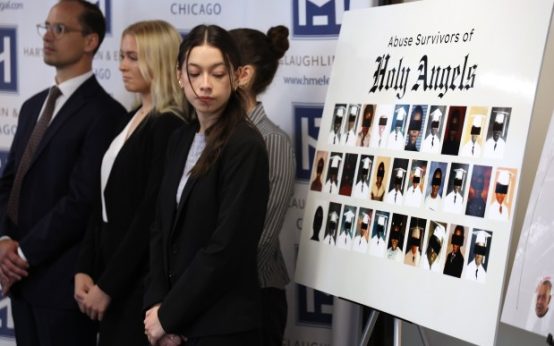 Lawsuits Reveal Decades of Abuse at Chicago’s Holy Angels Parish
 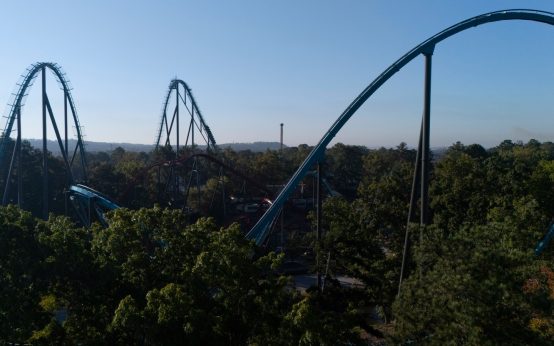 Roller Coaster Accident at Six Flags Raises Safety Concerns
  Sophie Cunningham’s Recognition at Trump Rally and Advocacy for Female Athletes
 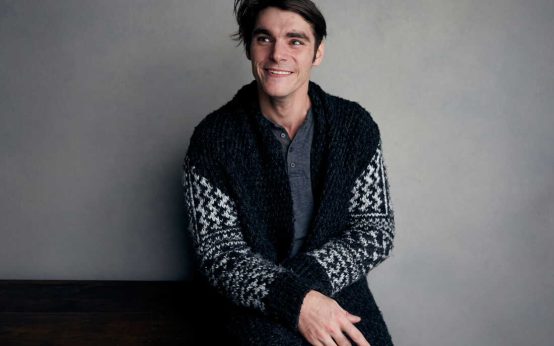 RJ Mitte, Actor and Advocate for Disability Rights, Dies at 34
  Navigating Workplace Interactions with Colleagues
  D.C. Official Killed in Electric Scooter Collision