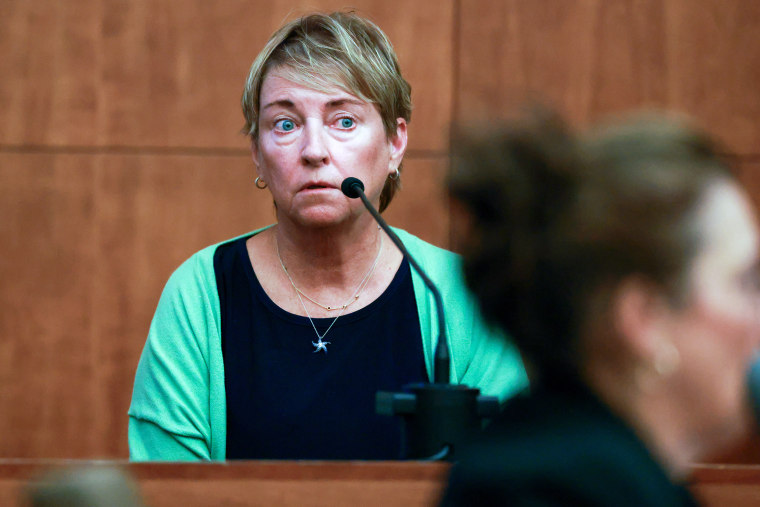
In Boston, Lindsay Clancy’s murder trial enters its fourth week amidst claims she was “begging for help” before the tragic events. Susan Clancy, Lindsay’s former mother-in-law, testified for the defense, highlighting Lindsay’s mental health struggles. Susan described the family’s concerns leading up to Lindsay taking the lives of her three children in January 2023.
Patrick Clancy discovered the Massachusetts couple’s children strangled in their home. Lindsay attempted suicide that night and is now paralyzed. The trial focuses on her mental state, not her actions. Her defense argues she suffered from postpartum psychosis, a rare condition linked to childbirth-related stress and hormonal changes.
Testimonies from Family Members
Susan Clancy’s testimony mirrored emotional accounts from Lindsay’s mother and sister, detailing her anxiety and paranoia from fall 2022. Susan, a labor and delivery nurse like Lindsay, recounted their close relationship and described Lindsay as a “wonderful mother” who was open about her struggles. The court saw texts between Susan and Lindsay, where Lindsay expressed fears of benzodiazepine dependency despite needing them for sleep.
“I’m not okay and I’m terrified of taking meds tonight,” Lindsay texted her mother-in-law in November 2022.
Lindsay’s mother, Paula Musgrove, said her daughter was scared to sleep alone, and feared her medications were harming her mind. In December, Lindsay confessed to her mother and then-husband Patrick about having harmful thoughts towards her children. Her sister Allison Ozga shared that Lindsay experienced suicidal thoughts daily for a month by December’s end.
Psychologist’s Assessment
Prosecutors claim Lindsay planned the killings, sending Patrick out on errands. They referenced her normal activities that day, like a doctor’s visit with the children. Her attorney, Kevin Reddington, asserts she had postpartum psychosis and bipolar disorder, exacerbated by antidepressants after her third child’s birth.
Dr. Paul Zeisel, a clinical psychologist, described meeting Lindsay in February. She was handcuffed to a hospital bed, unable to move her lower body. Her memory of the incident was unclear. She asked to speak with Patrick and expressed love for him over a call facilitated by Zeisel. Lindsay claimed a male voice ordered her actions. Zeisel testified she wasn’t exaggerating her symptoms, and her psychotic episodes could intermittently affect her ability to perform regular tasks.
Potential Outcomes
If convicted of murder, Lindsay faces life in prison without parole. A not guilty verdict due to lack of criminal responsibility would commit her to a state mental health facility.
Lindsay’s trial, available via livestream, has captured public interest. Jurors visited the crime scene and heard Patrick’s emotional account. Prosecutors played a 911 call where Patrick described finding their children’s bodies.
If you or someone you know experiences emotional distress, reach out to the 988 Suicide & Crisis Lifeline by calling or texting 988, or visit their website 24/7. Additional resources are available at SpeakingOfSuicide.com/resources.
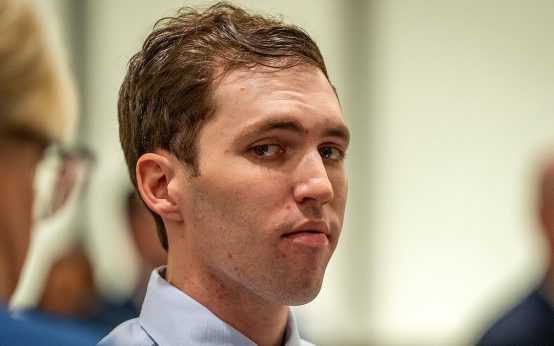 Prosecutors and Defense Clash in Charlie Kirk Murder Case
 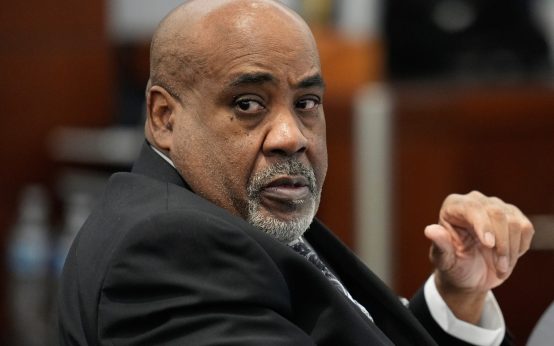 Trial of Duane ‘Keffe D’ Davis in Tupac Shakur’s Murder
  Accused Murderer Escapes While on Temporary Leave
 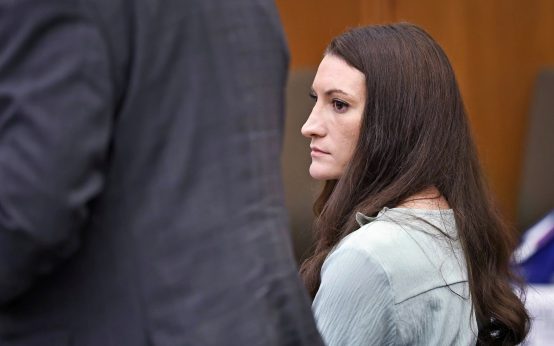 Fundraiser Nears $1 Million for Parents of Lindsay Clancy Amid Trial
  Key Moments from the Lindsay Clancy Murder Trial
  Judge Halts FBI Relocation Plan Backed by Trump Administration