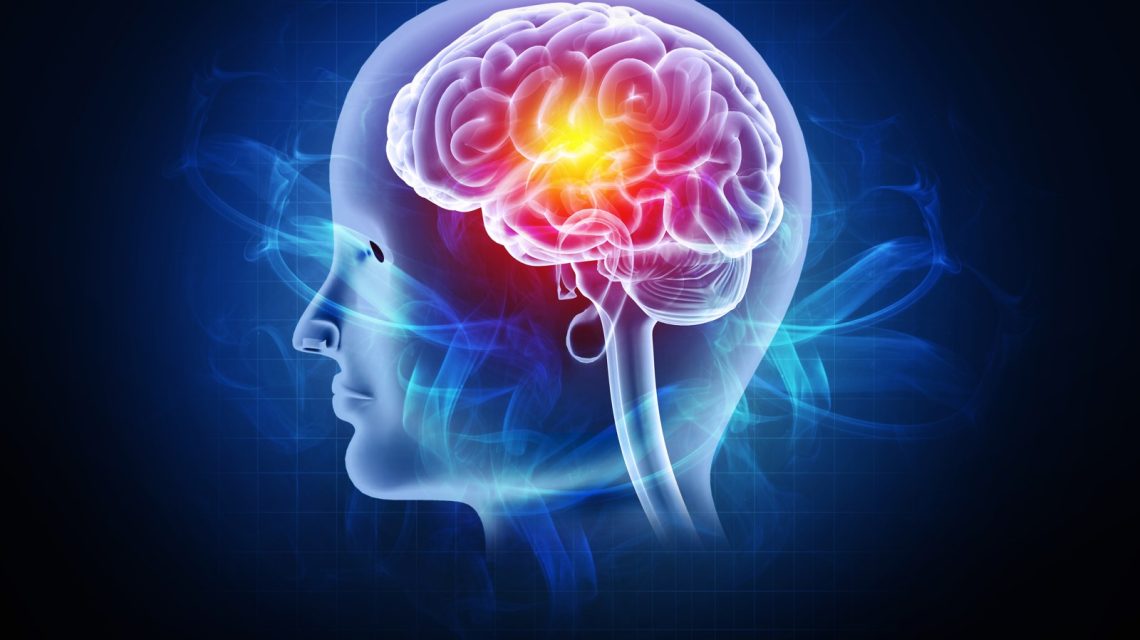
As Alzheimer’s disease and other forms of dementia rise, individuals seek methods to safeguard their brain health as they age. One neurophysiologist emphasizes a particular exercise that may excel in supporting brain health. In a recent episode of The Diary of a CEO podcast, neurophysiologist Louisa Nicola asserted that the deadlift might be a superior exercise for brain protection.
Why Deadlifts?
Nicola highlighted that the deadlift engages almost the entire body. “If done correctly, the deadlift can activate nearly every muscle,” she claimed. She mentioned muscles like the erector spinae, glutes, quadriceps, serratus anterior, and calves. This engagement matches that of a barbell squat. Lifting heavy weights also places significant demands on the brain. “Your brain is like real estate,” Nicola stated. “There’s space in your brain reserved for lifting heavy.” Heavier loads demand more neural resources, resulting in greater “neural drive” that can benefit the brain.
Global Dementia Concerns
The discussion on exercise and brain health arises amid worldwide concerns over dementia. Alzheimer’s disease causes 60 to 80 percent of dementia cases, as reported by the Alzheimer’s Association. While experts search for treatments, physical activity remains a key lifestyle factor known to support healthy aging and reduce dementia risk.
Experts Discuss Deadlifts and Brain Benefits
Physicians consulted by Newsweek acknowledged the deadlift’s benefits for brain health, but no single exercise has proven to prevent Alzheimer’s disease. Dr. Joanna Fong-Isariyawongse, a neurologist, stated that different exercises support various aspects of brain health. Resistance training aids overall cognition; aerobic activities like walking help memory, while balance-focused exercises benefit older adults.
“A combination tends to offer the broadest protection,” Fong-Isariyawongse suggested. Dr. Sergio Guiteau, a sports medicine physician, added that no evidence links heavy weightlifting directly to greater neuroprotection. “Resistance training and activities that challenge balance and coordination will decrease dementia risk more than maximizing deadlift weight,” Guiteau said.
Dr. Parth Bhavsar emphasized that brain protection involves more than lifting heavy. Consistency, technique, cardiovascular fitness, sleep, blood pressure control, and injury prevention all contribute to long-term brain health. Bhavsar highlighted, “If a person can perform deadlifts safely, it is highly beneficial. However, the best exercise is one that you will perform safely, progressively, and consistently.”
Alternative Exercises and Their Effectiveness
Experts stress that heavy deadlifts are not necessary for brain benefits. “The encouraging part is that none of this requires deadlifting heavy,” Fong-Isariyawongse noted. Machine weights, resistance bands, bodyweight exercises, walking, and tai chi offer brain health benefits with lower injury risk. Various alternatives include trap-bar deadlifts, kettlebell deadlifts, Romanian deadlifts, sit-to-stand exercises, goblet squats, step-ups, leg presses, farmer carries, resistance-band rows, and sled pushes or pulls.
Dr. Mariam Zakhary from Ikon Recovery Center remarked that deadlifts recruit multiple large muscle groups and challenge coordination and balance. However, functional benefits can be achieved with sit-to-stand movements, chair squats, and low-weight hip hinges.
Guiteau pointed to squats, step-ups, and resistance-band exercises as adaptable options, especially for those with mobility issues or prior injuries.
Consistency: The Key to Brain Health
Experts largely agree that consistency matters more than any single exercise. Bhavsar referenced the 2024 Lancet commission report identifying physical inactivity as a modifiable dementia risk factor. He pointed to CDC and WHO recommendations for regular physical activity to reduce cognitive decline risk. Zakhary noted that “consistency is key,” emphasizing that “the most beneficial exercise safely challenges the cardiovascular and musculoskeletal systems over time.”
Fong-Isariyawongse added that physical activity is only part of the equation. Learning new skills or instruments can also enhance brain connectivity and volume. Experts suggest that while deadlifts offer strength benefits for many, the strongest evidence promotes a broader approach for brain health.
 Brighten Your Smile: Crest 3D Whitestrips on Sale
  Ebola Case in Nigeria Highlights Challenges in Regional Response
  Dr. Vanessa Kerry Appointed as WHO Special Envoy for Health Resilience
  Finding Fulfillment in Retirement
  FDA Recalls Non-Sterile Compounded Injections Nationwide
  Susie Wiles Discusses Her Recovery from Breast Cancer