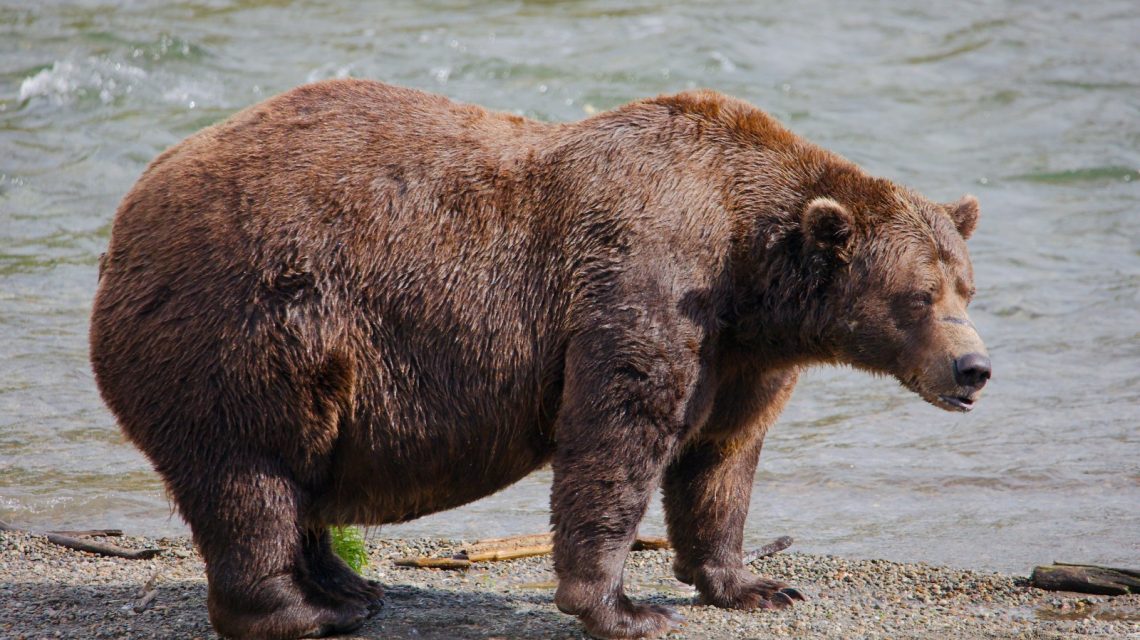
Each fall, millions observe Alaska’s fattest brown bears as they feast on salmon in preparation for winter hibernation. Fat Bear Week has grown from a quirky online contest to a leading wildlife event. This has highlighted the annual salmon run in Katmai National Park, emphasizing the need for healthy ecosystems.
The 2026 tournament shows the largest bears yet, focusing on more than just weight gain. It features defending champions, rising stars, and bears with inspiring survival stories. Bears like 32 Chunk, who overcame a broken jaw to win last year, and 164 Bucky Dent, known for his fishing skills, embody resilience and success.
As voting begins, the world watches to see if Chunk will defend his title or if other contenders like 151 Walker or 903 Gully will take the crown. The result might depend on sheer size, but the bears’ stories keep viewers returning each year.
Chunk: Hall of Fame Contender
Chunk stands out in Fat Bear Week with his dramatic weight gain each season. Described by Katmai Conservancy’s website, in 2025, Chunk returned with a broken jaw yet continued to thrive. His transformation from lean to bulky makes him a favorite in celebrating pre-winter success.
Bucky Dent: Rising Star
164 Bucky Dent may dethrone Chunk, known as an “ace fisher-bear” by Explore.org. Bucky Dent, still relatively young, is one of Brooks River’s most skilled salmon catchers. He represents a new generation of dominant bears, quickly gaining a loyal fan base.
Walker: Seasoned Veteran
151 Walker, a fixture at Brooks Falls, is one of the river’s dominant adult males. His size and confidence allow him to secure top fishing spots. His experience and strength make him a perennial contender each year.
Gully: A New Challenger
903 Gully, the offspring of two-time champion 128 Grazer, is a strong contender. Gully, known for supplementing his diet with gulls, frequently competes for fish, shaping the park’s bear hierarchy. His famous lineage brings high expectations.
Conservation Challenges
Fat Bear Week highlights the need to protect ecosystems that support these weight gains. Healthy salmon runs are crucial for the bears to build fat reserves for winter. Disruptions in salmon habitat affect bears, birds, fish, and other wildlife. Climate change also influences salmon migration and bear hibernation patterns, potentially impacting survival and reproduction.
The bears’ popularity has increased attention to Katmai Park. Conservation advocates emphasize responsible tourism and habitat protection. Continued research ensures future generations enjoy these wildlife spectacles.
The Voting Process
Fat Bear Week voting begins with head-to-head matchups with photos from summer and peak feeding season. Voting starts Tuesday, September 22, at noon ET, and ends September 29. Each round narrows the competition until a champion emerges. Fans vote online and campaign on social media, turning it into a popular internet event.
 Challenges in AI Development
 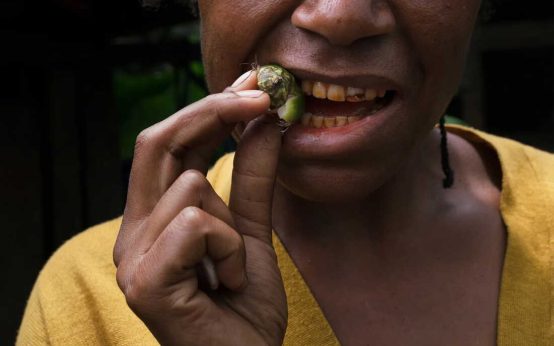 Ancient Betel Nut Usage Revealed Through Archaeological Study
  Personal Journey in Understanding Neurodegenerative Diseases
 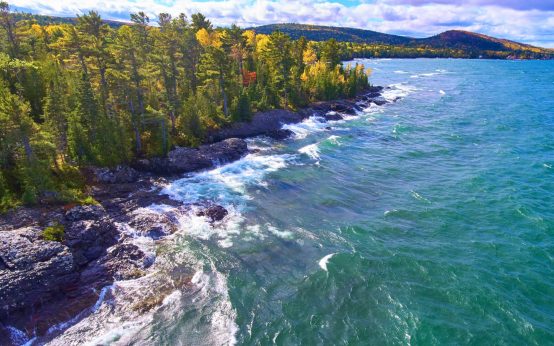 Great Lakes Face Beach Hazards Due to Dangerous Currents
  OpenAI’s Complex Solution to Navier-Stokes Equations Stirs Debate
 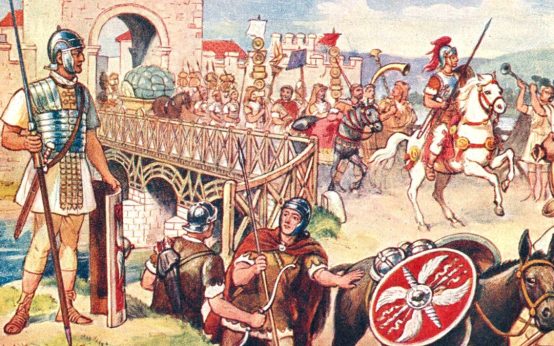 Reassessing the Central Role of Rome in the Roman Empire’s Road Network