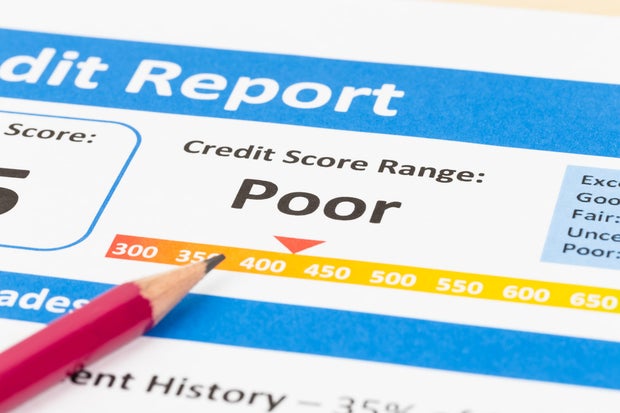
Borrowers are currently facing substantial credit card debt due to various economic challenges. As inflation continued to rise in the second quarter of 2026, credit card balances increased by $21 billion. Although delinquency rates improved slightly, many borrowers are still dealing with overdue accounts that affect their credit scores.
Old Debt Reappearing on Credit Reports
Recent research from the New York Fed indicates that lenders are retaining charged-off credit card accounts in consumers’ credit reports longer than before. This means old debts might reappear without notice, affecting credit histories. However, an old debt on your credit report doesn’t automatically belong there. Before making decisions about this debt, understand if creditors can legally add old debt to your report and why.
Legal Implications of Re-adding Debt
Old debt can be added to your credit report under certain circumstances, but there are limits on how long negative information can remain. Generally, under the Fair Credit Reporting Act (FCRA), negative credit information can stay for about seven years. The timeline for collection accounts and charge-offs is linked to the initial delinquency leading to the account. It’s important to track collection accounts as they can change hands multiple times. However, the reporting clock cannot restart because a new collector acquires the account. They must report the original date of delinquency accurately.
For example, if your credit card account became delinquent and aged off your credit report, a debt buyer purchasing the account later can’t assign it a newer delinquency date. Understanding the difference between credit-reporting limits and the statute of limitations on debt is crucial. The latter determines how long a collector can sue over a debt and varies by state.
Taking Action on Reappearing Debt
If old debt suddenly appears on your credit report, check the details first. Review the date of first delinquency, balance, creditor name, and account status. Compare reports from the three major credit bureaus, as creditors don’t report to every bureau. If the debt is too old to appear or contains incorrect information, dispute it with both the credit bureau and the information provider, who must investigate and correct errors.
If the debt is legitimate, consider how to handle the balance. Negotiating with the debt collector or settling the debt for less may be options. If facing multiple debts, explore debt relief options like a debt management plan, debt consolidation, or debt settlement. Avoid paying unfamiliar old collection accounts without verifying information.
Properly understanding old debt on your credit report helps ensure your financial rights are respected while managing your debt effectively.