
A mother from Arizona, Jordyn Burke, has shared her story of how she meticulously plans every meal for her 2-year-old son Lane, who lives with a rare genetic disorder known as phenylketonuria (PKU). This condition restricts Lane to consuming only about 1.5 grams of natural protein daily, demanding keen attention to dietary details.
Burke, along with her husband Christian and their other children, faces the challenging routine of preparing meals for Lane. His disorder prevents him from processing phenylalanine, an amino acid found in protein, that can lead to severe neurological and developmental complications if accumulated in the blood. Most people do not face this challenge, but for children with PKU, careful intake monitoring is essential.
“It’s almost unreal when you understand the protein content in usual foods that many families overlook,” Burke pointed out.
Common foods like meats, dairy, eggs, and nuts are off the menu for Lane. Instead, his diet includes measured foods and specialized nutrition that offers essential nutrients minus the troublesome phenylalanine. Burke emphasizes that each meal is part of Lane’s medical treatment, stating, “His diet guards his brain and supports normal growth and development, and as a parent, that’s a hefty responsibility.”
The PKU diagnosis significantly altered the family’s lifestyle. Initially overwhelming, the constant planning involves reading labels, portion measuring, tracking Lane’s daily intake, and anticipating events such as birthdays and school activities. Burke says that managing PKU remains a constant demand, no matter the busyness of family life.
In a TikTok video on her account (@pkulife_withlane), Burke shares a typical day of meals for Lane, featuring low-protein blueberry muffins, bananas, cucumbers, watermelon, and specially chosen potato bites. This careful planning ensures his meals stay within a one-gram protein limit, leaving some flexibility in his daily allowance.
Moreover, Burke seeks to spread awareness about PKU, highlighting it as more than a simple dietary choice. She explains the potential isolation felt by children with PKU who experience food differently, missing out on common childhood joys like birthday cakes, Halloween treats, and shared snacks.
“My son has taught me resilience,” Burke expressed. “He has shown me that being different doesn’t imply being less. He helps me value the small things I once took for granted.”
 Silicosis Epidemic: California’s Stone Workers at Risk
 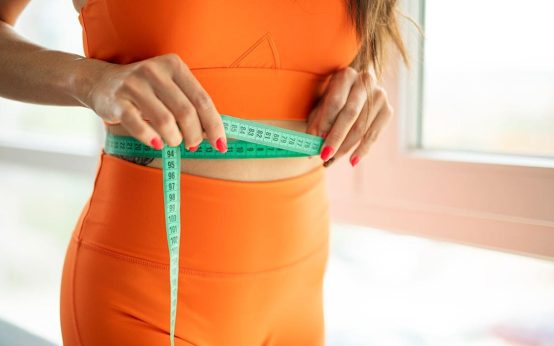 Waist Size: A Key Indicator of Heart Health
  Loneliness in Urban Familiarities: Insights from a Study
 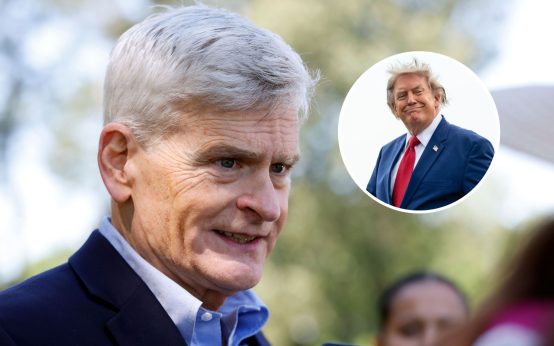 Senator Cassidy Criticizes Trump’s Vaccine Policy
  Redwire and SpaceMD: Advancing Pharmaceuticals in Space
  Novo Nordisk Introduces Weekly Dose for Type 2 Diabetes