
Maisa Lopes Eliaser, the wife of an active-duty Army staff sergeant, has been released from Immigration and Customs Enforcement (ICE) custody. She returned to the United States from what was initially a deportation flight to Brazil. Her husband, Staff Sergeant Alexis Jaramillo, shared their story with Newsweek about her arrest during an adjustment-of-status interview in Montgomery, Alabama.
Eliaser’s case became a focal point for national discourse on immigration policies affecting military families. Congressional Democrats have initiated an investigation into these deportation cases involving relatives of service members. They are also pushing for a review of Eliaser’s case and similar situations.
Eliaser expressed her distress about her experience, describing it as a nightmare. She stated she is trying to recover from the trauma experienced during her detention.
It felt like I was in a nightmare, I could not believe what was happening until I returned to my house. Day by day, I’m trying to recover from this trauma.
Newsweek reached out to the Department of Homeland Security (DHS) and ICE for further comments.
Return Flight Details
While on the deportation flight to Brazil, ICE officers informed Eliaser midflight that she had the option to return to the United States. She decided to come back and stayed on the plane as it landed in Brazil to drop off other deportees before flying back to Louisiana. Before this incident, she spent over a month in custody following her arrest.
Jaramillo recounted how they had attended the immigration interview, expecting to finalize Eliaser’s lawful permanent residency through their marriage. To their shock, immigration officials detained Eliaser, separating her from the family.
I feel really betrayed. I serve this country. And I deserve some security with my family. We were very excited because we knew we were doing the right thing and complying with the government. Then two people came and told me she was going to be detained.
Policy and Legal Status
A DHS spokesperson emphasized that having a family member in the military does not grant immunity from immigration laws. Eliaser initially entered the U.S. legally from Brazil but overstayed her visa. An immigration judge later issued a removal order for her.
Her situation highlights a growing trend of military family detentions during recent years. Since the commencement of the Trump administration’s stringent deportation approach, over 50 relatives of active-duty service members have been detained.
A congressional inquiry led by more than 60 lawmakers seeks to address these cases. They argue that these actions compromise military readiness and morale.
Green Cards for Military Families
U.S. immigration law offers specific pathways for military families seeking green cards, aiming to keep service members and their loved ones together. Spouses and children of service members can typically qualify for these green cards without long waiting periods. Military-related immigration provides flexibility for families already residing in the U.S., allowing undocumented members to apply without leaving the country.
Authorities have yet to publicly explain Eliaser’s removal from the deportation flight. Her immigration status is currently uncertain, though her case has gained significant public attention. Eliaser has an upcoming immigration appointment that might resume her application process for a green card.
Jaramillo expressed apprehension about the appointment, hoping for a resolution that advances their situation positively.
We are really, really, really scared about it, but you know, we have to go.
 VP Vance’s Visit to Michigan: A Push for Affordability and Midterm Strategy
  Minnesota Senate Candidate Peggy Flanagan Confronts Family History Amid Election
  Trump Administration Seeks Recusal of Judge in D.C. Golf Course Case
 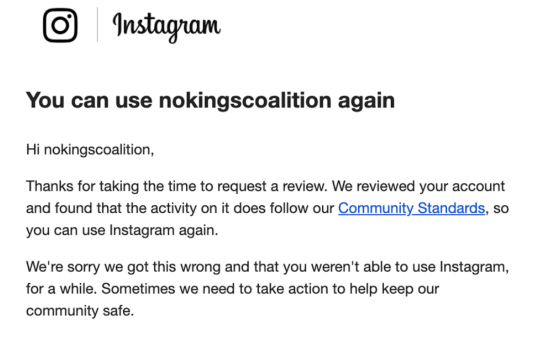 No Kings Coalition Faces Instagram Suspension Amid Nationwide Early Voting Events
  Controversy Surrounds Kristi Noem’s Latest Social Media Post Amid End of Special Envoy Role
  Venezuela’s Mineral Exploitation by Terrorist Organizations and the U.S. Policy Challenge