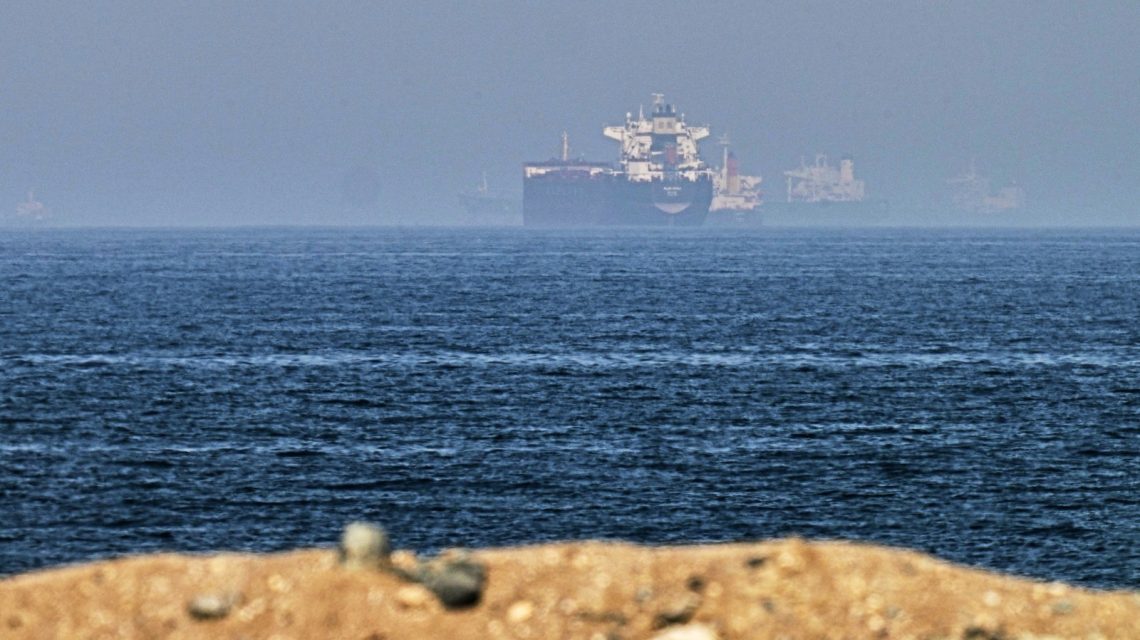
Iran has strongly condemned President Donald Trump’s suggestion that the United States might declare the Strait of Hormuz as part of its territory. Tehran dismissed the comments as ‘delusions’ amid ongoing tensions over this crucial energy passageway.
Trump made these remarks during a recent appearance in Long Island, New York. He stated that after the U.S. completes its efforts against Iran, he would soon declare the strait as ‘a territory of the United States.’ Trump claimed that through the U.S. naval blockade of Iranian ports, Washington already exerts control over the waterway.
Iran’s Response
Iranian officials quickly rejected the proposal. Kazem Gharibabadi, Deputy Foreign Minister for Legal and International Affairs, asserted that Tehran remains unfazed by such threats, emphasizing that the regulation of the strait falls under Iranian jurisdiction.
‘Trump has declared that after Iran’s defeat, the Strait of Hormuz will be U.S. territory,’ Gharibabadi wrote online. ‘The strait cannot be captured by tweets, aircraft carriers, orders, or electoral speeches. Iran neither fears threats nor bows to power displays.’
He continued, noting that past U.S. strategies have failed, and the strait’s status has always been, and will remain, under Iranian control.
Strategic Importance of the Strait
The Strait of Hormuz is a vital trade route, facilitating around one-fifth of the world’s oil and natural gas shipments. Disputes over its control have serious implications for global markets and energy supplies.
The tensions over this waterway are part of broader conflicts between the U.S. and Iran that intensified earlier this year. Tehran argues that portions of the strait are within its territorial waters, while Washington aims to ensure free commercial passage. This standoff has contributed to rising fuel prices and shipping disruptions.
U.S. Influence Remarks
Trump’s comments are consistent with his approach to expand U.S. influence over strategic global locations. Newsweek noted his past remarks involving Greenland, Canada, the Panama Canal, Gaza, Cuba, and Iran’s Kharg Island, a significant oil export point.
Developments on Strait Management
Iran and Oman are working on a framework governing future trade through the strait, proposing to charge vessels fees for navigation and services. Analysts from JPMorgan indicated that legally, these fees should reflect compensation for services like navigational safety, rather than as direct transit tolls, citing similar practices in the Danish Straits and the Bosporus.
While discussions with Oman continue, Iran ties a full reopening of the strait to broader negotiations with Washington, stressing that U.S. naval actions must end before normal commercial traffic can resume.
Ongoing Conflict
The U.S., Israel, and Iran remain entangled in conflict months into this year, despite a June memorandum meant to ease tensions. The agreement aimed at ensuring safe passage through the Strait of Hormuz has seen mutual accusations of violations by both the U.S. and Iran.
Issues like sanction negotiations, shipping rights, and regional security remain unresolved, with the management of the strait being a critical point of contention. Iran insists on U.S. policy changes towards Tehran before fully reopening the waterway, while the U.S. emphasizes restoring navigation freedom.
American consumers feel the economic effects, with rising gasoline prices linked to these geopolitical tensions. Trump acknowledged price hikes, urging citizens to view them as part of preventing Iran from acquiring nuclear capabilities.
 Investigation Continues Into FlyDubai Co-Pilot Incident
  Pakistan Airstrikes in Afghanistan Kill Civilians
  Ukraine’s Innovative Use of APCs in Donetsk
  Controversy Surrounds Adam Brody’s Genocide Comment
  Historical Discrepancies and Diplomatic Sensitivities in U.S.-China Relations
  Escalating Tensions: Russia’s Nuclear Threat and the Kaliningrad Conundrum