
The Justice Department’s Office of Legal Counsel has released a new opinion addressing the scope of executive privilege. This opinion outlines that President Trump’s private advisers—those not formally a part of the federal government—may now receive protection from future congressional and legal inquiries.
Published on Monday, the 21-page document states that executive privilege can extend to private advisers. This applies if their communications with the president pertain to official decision-making, remain confidential, and involve discussions directly with him and his advisers.
While this opinion is not legally binding, its timing aligns with the upcoming midterm elections. These elections could potentially lead to Democratic control of Congress, prompting increased investigations. The opinion suggests extending protections to more individuals from being compelled to provide testimony or information.
Traditionally, executive privilege covers interactions with executive branch personnel, such as White House lawyers. Now, this privilege could also shield Trump’s outside legal counsel and other private advisers from revealing details in future investigations.
The primary aim of executive privilege is to safeguard the government’s decision-making processes,the opinion states, signed by Assistant Attorney General T. Elliot Gaiser of the Office of Legal Counsel.
The document argues for confidentiality in presidential communications with private advisers, citing their unique insights or expertise that cannot be fully achieved through consultation with government officials alone.
This is another instance where Trump’s Justice Department deviates from historical norms. Previously, an opinion penned by Gaiser in April deemed the federal law from the post-Watergate era—mandating presidential document preservation and submission to the National Archives—unconstitutional. Despite this opinion, a judge later reaffirmed the law’s enforcement.
Additionally, the opinion might protect Trump adviser Boris Epshteyn from revealing communications relevant to a lawsuit by the American Bar Association. The association has requested details from Epshteyn, alleging involvement in a White House policy against large law firms, which resulted in executive orders affecting specific firms.
 Opposition to Border Infrastructure in West Texas Raises Concerns
 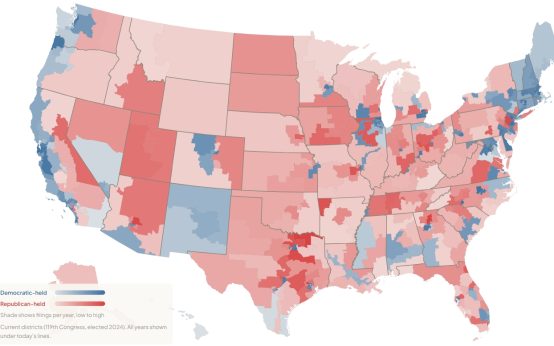 H-1B Labor Filings: Analysis Highlights Congressional District Disparities
 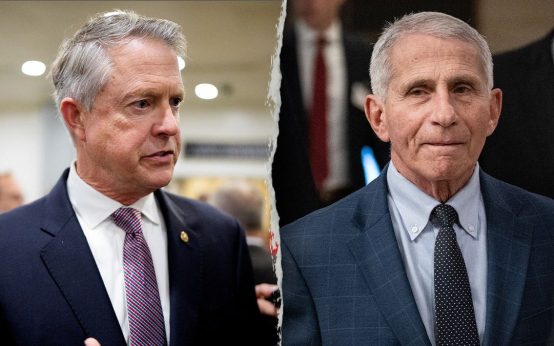 Senator Marshall Criticizes Fauci Over Vaccine Concerns
 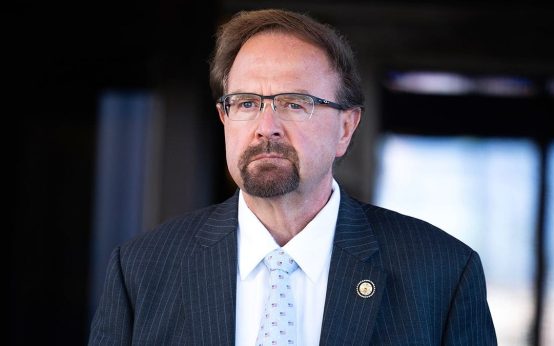 Jennifer Balkcom Named GOP Nominee for North Carolina’s 11th District
  Impact of Anti-Immigration Policies on U.S. Economy and Society
 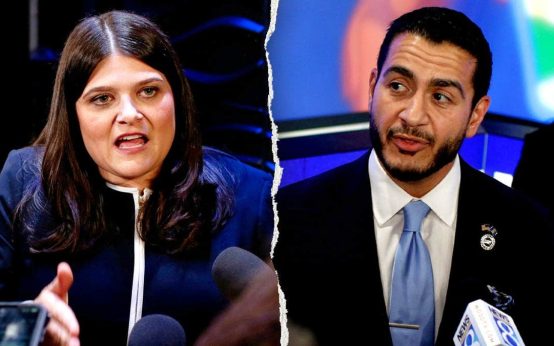 Haley Stevens Supports Abdul El-Sayed After Primary Loss in Michigan