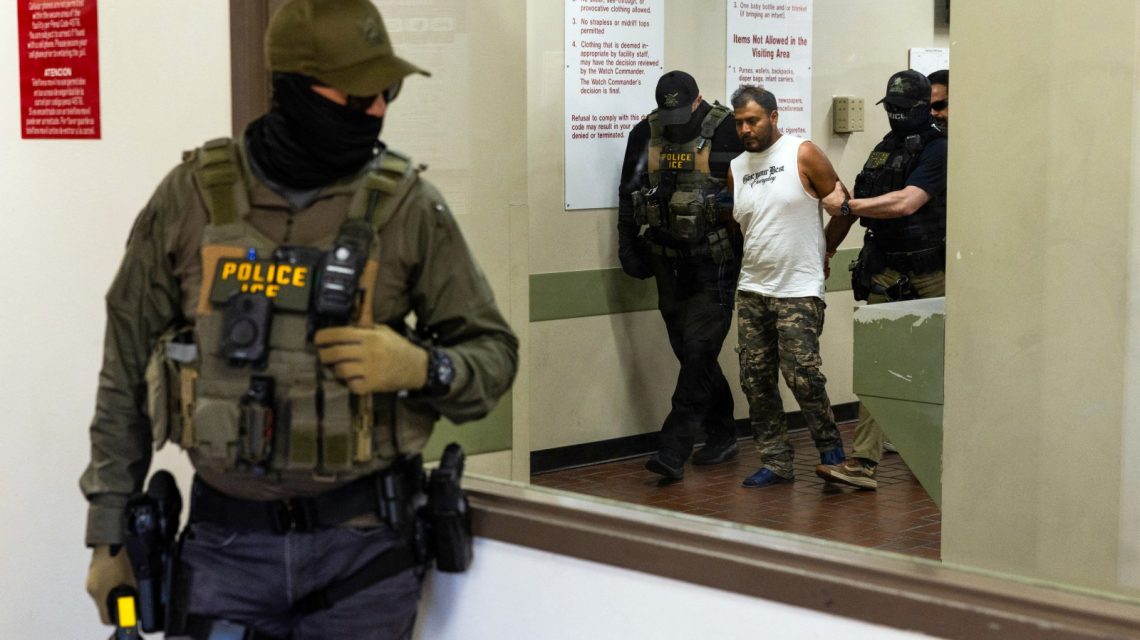
The U.S. military holds a revered position across political and social spectrums. Politicians express gratitude toward troops, stadiums honor them, and airports offer them priority boarding. Amidst this admiration, another idea stands prominent in American belief: the nation is a land of opportunity. In America, background doesn’t matter; what matters is one’s willingness to strive for success.
For generations, these ideals have provided non-American citizens a unique chance. Joining the military means entering a brotherhood that transcends race and creed. Serving the country and risking one’s life earns a place in America’s narrative, except when faced with potential deportation.
Political Action and Legal Challenges
Senator Elizabeth Warren, supported by over 60 congressional Democrats, has challenged the Trump administration over the deportation of noncitizen veterans and their families. They seek clarification on arrests involving active service members.
The Democratic lawmakers, led by Warren, addressed a letter on August 9 to various departments demanding explanations regarding the detainment reports of U.S. service members. According to DHS, ICE arrested 125 former Armed Forces members between January 20, 2025, and January 26, 2026. Among them, 73 were detained and 34 faced removal proceedings; over 282 veterans and their families confront deportation threats.
A Historical Perspective
ICE’s actions contradict a long-standing American tradition. Since the Civil War, federal law has offered immigrant soldiers easier paths to American citizenship through military service. More than 800,000 individuals have become citizens via military service since World War I. Citizenship and Immigration Services data states that around 187,000 were granted citizenship post-9/11, with over 50,000 during the Biden administration.
Under the U.S. Immigration and Nationality Act (INA), noncitizens serving in active hostilities can apply for naturalization after a day of military service, bypassing residence requirements. Thousands achieve naturalization annually through military service.
The principle is simple: those willing to defend America’s interests and risk their lives deserve privileges for their commitment.
ICE’s Legal Grounds
ICE operates within legal frameworks. Military service doesn’t guarantee citizenship for every immigrant participant nor does it prevent service members from other immigration law aspects.
Criminal convictions are among factors impacting U.S. military veterans. Warren acknowledges that 46 of the 125 veterans arrested by ICE recently held active criminal warrants.
Legislation clearly outlines that having a family member in the military doesn’t grant automatic legal status to their family. Previous deportation incidents reveal that military service isn’t an automatic shield against legal proceedings.
Trump hasn’t initiated veteran deportations, though under his leadership, detentions targeting service members increased significantly. ICE arrested as many former service members within a year as it previously did over seven years.
Moral Considerations
Legal protection for noncitizen U.S. service members, veterans, or their families isn’t comprehensive. National foundations rely on moral values alongside legal aspects. These ideals sometimes apply selectively, affecting how immigrants are integrated into the fabric of the nation.
Trump, within days of Warren’s letter, established the President’s Military Spouse Commission to advise on various matters affecting military families. Despite these efforts, deportation notices were issued to 113 relatives of veterans whose applications for special protection were denied.
Immigration law offers posthumous citizenship to foreign-born military personnel who die while serving honorably. While citizenship can be achieved, enjoying its benefits remains uncertain.
Warren and her Democrat colleagues seek a response to their letter by August 23, urging the administration to address these concerns. Meanwhile, nearly 50,000 foreign nationals in active and reserve military roles—and another 125,000 noncitizen veterans in the U.S.—anticipate further developments with caution.
 Disney and ABC Challenge FCC’s License Renewal Actions
  Eric Trump Supports Investigation Into ABC News Story
  Zelensky Criticizes Trump’s Diesel Deal with Russia
 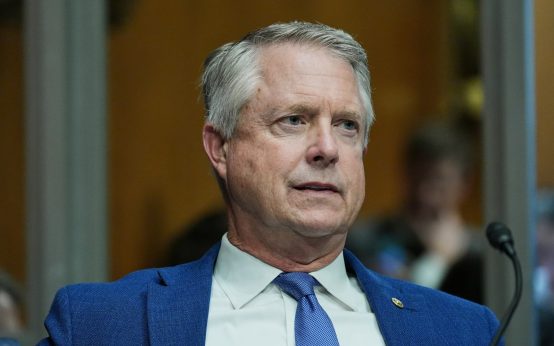 Trump Plans Rally for Senator Roger Marshall Amid Tight Kansas Race
  Trump’s Diesel-Deal Feud with Zelensky Obscures a More Important Effort
  Trump’s Stance on Energy Prices and Ukraine-Russia Conflict