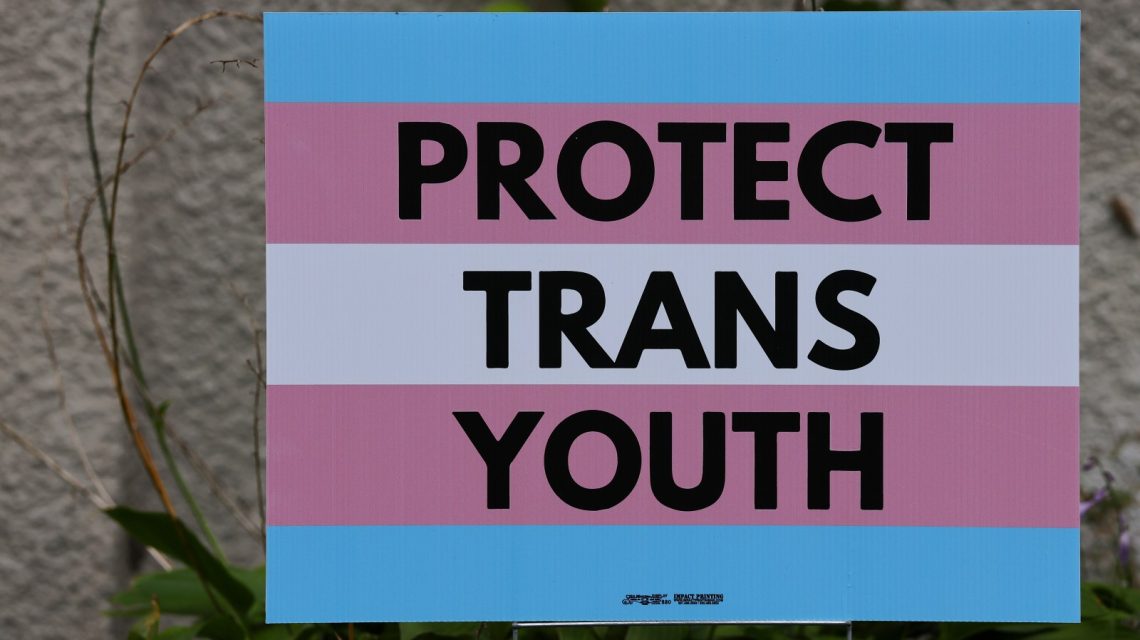
President Donald Trump announced on Tuesday a policy change that will halt the use of federal Medicaid funds to pay for gender-affirming surgeries and hormone treatments for transgender minors. This decision raises questions regarding access to such care in states with protections for transgender youth.
The Policy Change and Its Implications
The policy change represents a continuation of the Trump administration’s efforts to limit protections and services for transgender youth. Trump’s decision follows support for policies restricting transgender students’ participation in school sports. Additionally, Republican-led states have implemented bans on transgender athletes’ participation on teams according to their gender identity.
While states with protections for gender-affirming care can still permit providers to offer treatments, they might need to rely on state funding sources to cover services. Trump made the announcement via a Truth Social post, stating, “Today, at my direction, Dr. Mehmet Oz announced that Medicaid will NO LONGER fund gender transition surgeries and hormones for minors.” Trump referred to these procedures as “barbaric” and argued that the policy is intended to protect children.
“Today, at my direction, Dr. Mehmet Oz announced that Medicaid will NO LONGER fund gender transition surgeries and hormones for minors.”
The Centers for Medicare & Medicaid Services (CMS) confirmed that the new rule will end federal Medicaid funding for gender-affirming surgeries and hormone therapies for minors. Additionally, the Children’s Health Insurance Program (CHIP) will be barred from covering these treatments for individuals under 19. The policy is set to take effect in October.
State Provisions for Gender-Affirming Care
A review of the Kaiser Family Foundation (KFF) policy tracker reveals a divided national landscape as of May. Twenty-seven states have enacted laws or policies limiting youth access to gender-affirming care, with the remaining states not adopting such restrictions.
KFF estimates that approximately half of transgender youth aged 13 to 17 live in states with care restrictions. States like California, Oregon, Washington, Colorado, Minnesota, Illinois, New York, and Massachusetts generally move to protect access, adopting “shield” laws to safeguard providers and patients seeking care that is legal under state law. However, Trump’s Medicaid action might affect families in these states due to the significant role federal funding plays in state Medicaid programs. The loss of federal reimbursement could create coverage barriers for low-income families.
Nationwide Coverage Remains Fragmented
According to KFF’s tracker, gender-affirming care restrictions largely remain regulated at the state level. Some states block treatments such as puberty blockers or hormone therapy for minors, whereas others explicitly safeguard access.
Court battles continue nationwide, with 18 states facing legal challenges to restrictions on youth gender-affirming care. The Supreme Court’s 2025 decision in United States v. Skrmetti upheld Tennessee’s ban on care for minors, granting states greater authority to enforce restrictions. However, it did not impose a nationwide ban, leaving behind varying policies across states.
Advocacy and Opposing Views
The Trump administration claims the change aims to protect children from treatments they argue can cause irreversible harm. Health and Human Services Secretary Robert F. Kennedy Jr. insisted the government will cease using Medicaid and CHIP funds for procedures that “fail to meet the evidentiary standard our children deserve.” Oz, CMS administrator, described the rule as “following the science” and protecting children.
Conversely, LGBTQ+ advocates oppose the measure. Kelley Robinson, president of the Human Rights Campaign, criticized the rule for interfering with medical decisions made by families and doctors. Major medical organizations, including the American Medical Association and American Academy of Pediatrics, continue to support access to gender-affirming care following established clinical guidelines.
While Trump’s policy halts federal funding for gender-transition surgeries and hormone treatments for minors, it does not abolish gender-affirming care throughout the country. States’ laws will heavily influence access, with many maintaining policies that protect transgender youth and their care providers.
 Kansas Senate Race: Hamilton Criticized for Climate Views
  Trump Administration Targets H-1B Visa Use to Protect American Workers
  Controversy Over Proposed MLB Stadium in Grand Teton National Park
  The GOP’s Shift Toward Big Government
  Foiled Attack Near RAF Fairford Raises NATO Tensions
  Heightened Risks at U.S. Military Bases in U.K. Amid Iran Conflict