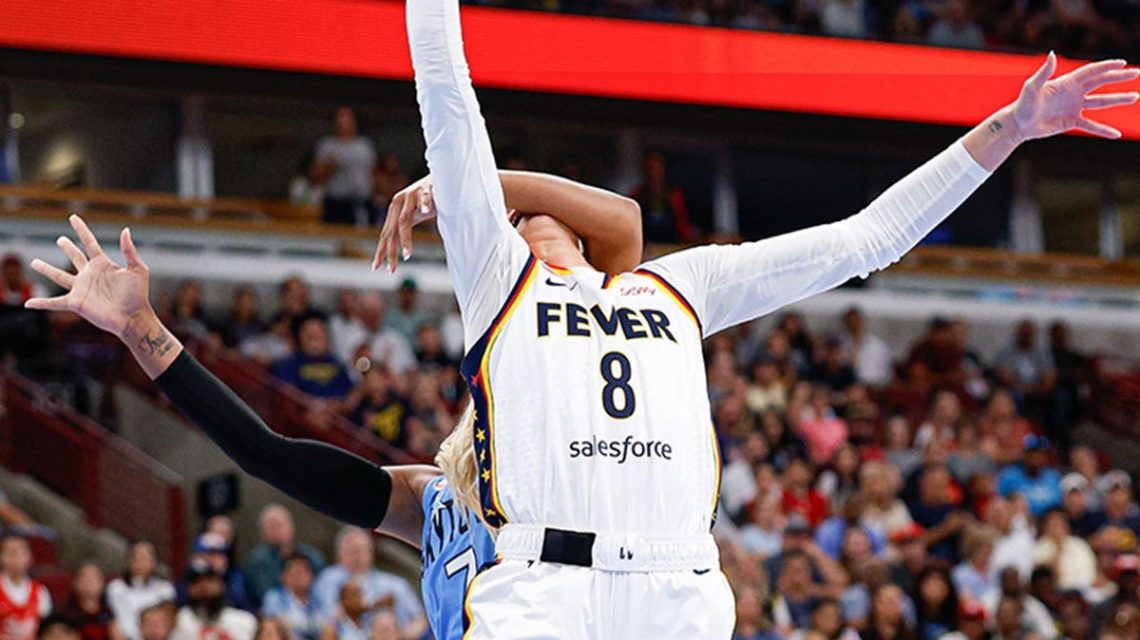
In a recent WNBA game, DiJonai Carrington of the Chicago Sky committed a flagrant foul against Sophie Cunningham of the Indiana Fever. The foul, which resulted in Cunningham being bloodied, led to Carrington’s ejection. She responded by suggesting the incident was racially motivated, posting ‘White privilege’ from the locker room.
Media and Public Reactions
Initially, reactions varied. Jemele Hill and Cari Champion highlighted a supposed racial double standard. They compared Cunningham’s past fouls that had not resulted in severe backlash or ejections. Hill noted that Cunningham gained followers and fame for similar actions, questioning if Carrington would receive the same accolades.
Champion echoed this sentiment, asking if Carrington would also gain followers and marketing opportunities. Both implied that racial biases influence outcomes and perceptions in the league.
Comparison of Fouls
The comparisons to Cunningham’s previous actions extend beyond surface-level similarities. Cunningham admitted to expecting ejection for her past actions, acknowledging their severity. In contrast, Carrington claimed innocence. Observers note Carrington’s history of hard fouls, including incidents against other players, suggesting a pattern rather than isolated incidents.
Media Dynamics and Racial Discussions
The coverage by mainstream media, including NBC and ESPN, drew criticism. Critics argue these outlets downplayed Carrington’s social media comments, missing a crucial part of the story. On the other hand, former anchors like Cindy Brunson stirred controversy by labeling Cunningham as the aggressor and dismissing the severity of Carrington’s foul.
Jason Whitlock, a sports columnist, observed that racial identity influences media narratives. According to Whitlock, some voices in sports media defend Carrington due to her identity as a Black lesbian woman, rather than focusing on the facts.
Implications for the WNBA
These incidents reflect broader tensions within the WNBA, raising questions about race, identity, and media portrayal. As these dynamics unfold, concerns grow over potential harm to players like Cunningham or Caitlin Clark. Critics caution that unchecked actions could escalate into severe injuries.
This incident spotlights how racial and identity politics interplay with sports media coverage, influencing public perceptions and league dynamics. It underscores the need for balanced discussions that focus on behavior and context, irrespective of personal identities.
 Dodgers Seek Unsung Heroes for Playoff Success
  Caleb Williams’ Injury Reaction Spurs Social Media Debate
  Chicago Blackhawks 2026-27 Season Preparations: Key Highlights and Challenges
  Key Takeaways from Week 4 College Football
  Crafting the Ideal Sports Bar Experience
  Minnesota Lynx Coach Cheryl Reeve Voices Support for Transgender Community Amid Controversy