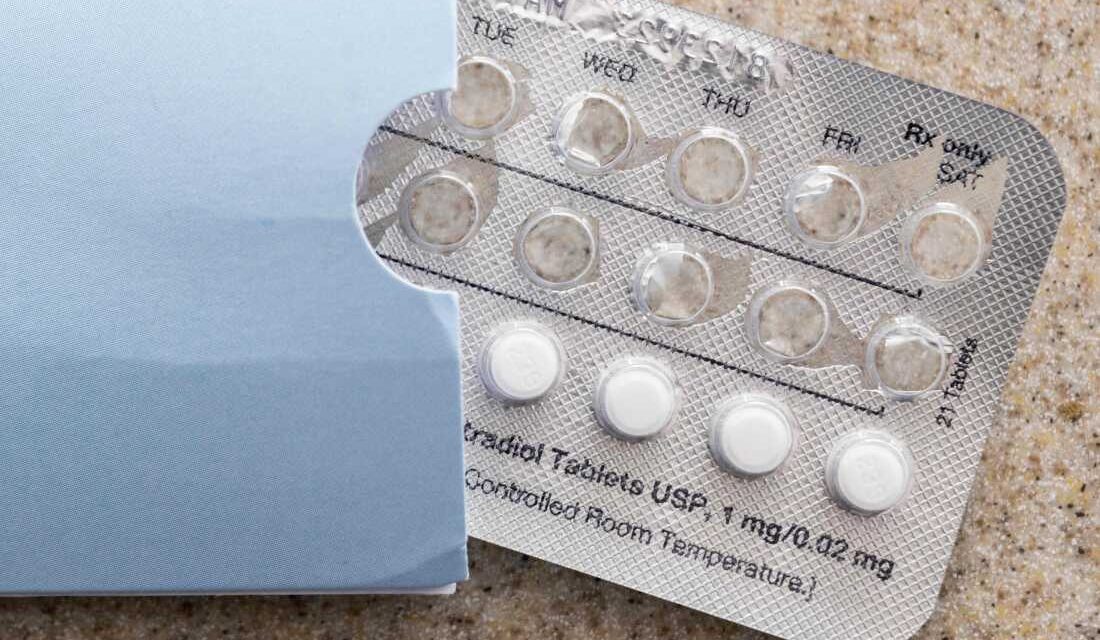
Social media influencers from communities like ‘Make America Healthy Again’ and ‘trad wife’ often criticize hormonal birth control. Many lack medical expertise, yet their messages are widespread, influencing public perception. Research by Jim Watson/AFP via Getty Images emphasizes this trend.
Following the Supreme Court’s decision to overturn Roe v. Wade in 2022, state abortion bans influenced changes in birth control methods. More people opted for long-term birth control options such as intrauterine devices, implants, and procedures like vasectomies and tubal ligations.
Dr. Caitlin Bernard, an OB-GYN in Indianapolis who co-leads a free birth control program, notes that current patient discussions rarely focus on the longstanding abortion bans in the state. She finds patients more concerned with everyday decision-making factors like choosing between a pill or an IUD and whether insurance covers both options. Financial concerns also drive decisions, with patients avoiding doctors to prevent unexpected bills.
Influencer Impact on Contraceptive Choices
According to Bernard, social media significantly impacts contraceptive choices. Influencers in the ‘Make America Healthy Again’ and ‘trad wife’ spheres often portray hormonal birth control negatively. Their content frequently overstates potential side effects and downplays the disadvantages of non-hormonal methods. Most influencers lack medical qualifications.
Cynthia Harper, a contraceptive researcher at the University of California San Francisco, observes a trend where wellness influencers share non-evidence-based experiences, intensifying societal pressure on women to avoid birth control and focus on family roles. She notes that political actions also hinder birth control access. The Trump administration made funding cuts affecting reproductive health services and broader healthcare, exacerbating this issue.
Abortions Increase Despite Bans
Despite state bans, abortion rates have risen. Harper posits that cultural resistance to birth control might lead to more unintended pregnancies. To verify, surveys asking those seeking abortions about contraceptive access could be conducted.
Brittni Frederiksen, a women’s health policy researcher at KFF, attributes increased abortion rates to improved abortion access, particularly through telehealth medication abortions. This option allows patients to obtain abortion pills after a telehealth consultation, gaining popularity since the COVID-19 pandemic.
A current legal case in Louisiana could potentially limit this telehealth option nationwide.
Birth Control Usage Trends
Regarding abortion bans’ effects on birth control usage, Frederiksen cites KFF’s biennial women’s health survey. In 2024, 82% of sexually active women of reproductive age used contraception, with 6% not using it. Others were pregnant, trying to conceive, or unable to do so. Preliminary 2026 data shows similar trends.
Frederiksen acknowledges shifts in cultural attitudes and politics concerning birth control, along with access reductions due to funding cuts. These changes might not yet be fully visible in the data.
 The Potential of Peptides in Healthy Aging and Metabolic Health
  Greek Couple’s Journey to Parenthood Amid IVF Age Limits
  The Controversy Surrounding the National Vaccine Injury Compensation Program
  A Family’s Journey with Sickle Cell Disease
  Jeremy Scott: Navigating Life with Early-Onset Alzheimer’s
  Understanding the Q-Collar’s Role in Brain Protection for Athletes and Soldiers