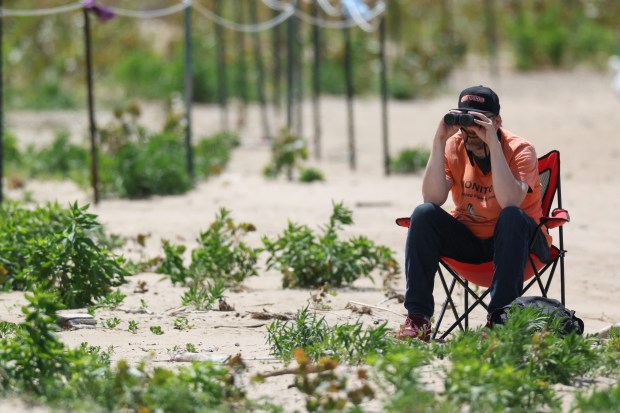
The weather last week at Montrose Beach was perfect for summer activities, with temperatures around 80 degrees and clear skies. Families enjoyed digging holes in the sand, playing soccer, and cautiously wading into the water. Besides these activities, bird-watching was a popular pursuit near a stone pier. Bird enthusiasts sought to spot an elusive piping plover.
The piping plover and other species in the Midwest face challenges due to alterations to the Endangered Species Act. The Trump administration changed the definition of “harm,” impacting habitat conservation. Experts warn these changes increase extinction risks. Ben Greuel from the Sierra Club highlighted how the new definition overlooks the essential habitats for species survival.
Risks to Piping Plovers
Piping plovers, once endangered in the Great Lakes, bounced back from a low of 13 pairs in the 1980s, thanks to conservation efforts. The revised definition of harm by the federal government poses a new threat to these birds. Tamima Itani, leading Chicago Piping Plovers, emphasizes concerns about their winter habitats in the South being unprotected due to federal changes.
Kristen Boyles, from Earthjustice, explained how developers have historically created “habitat conservation plans” when required, but this may not be the case anymore. This change will reduce habitat protections.
Whooping Crane Protection
Whooping cranes, North America’s tallest birds, are also at risk. Rich Beilfuss from the International Crane Foundation noted how the Endangered Species Act has helped prevent infrastructure development, such as power lines, in areas crucial for crane survival.
Beilfuss argued that the Act was meant to balance human development with environmental interests, ensuring habitats were preserved. The removal of automatic protections for threatened species will have a significant impact.
Challenges for Dragonflies
Species in specialized environments, like the Hine’s emerald dragonfly, face particular risks. Marla Garrison highlighted how these insects depend on specific habitats, such as burrows created by other species. Human disturbance, rather than direct harm, threatens these populations.
Andres Ortega from the Forest Preserve District of DuPage County noted efforts to replicate specific environments for these dragonflies have been challenging. Even minor changes in water flow can damage their habitats.
Local Conservation Efforts
Local conservation initiatives at Montrose Beach, spearheaded by the Chicago Park District, have expanded plover habitats. Despite such efforts, federal changes to the Endangered Species Act threaten broader conservation goals. Alex Terrana, a Chicago resident, expressed concern over how national regulatory changes could impact local success.
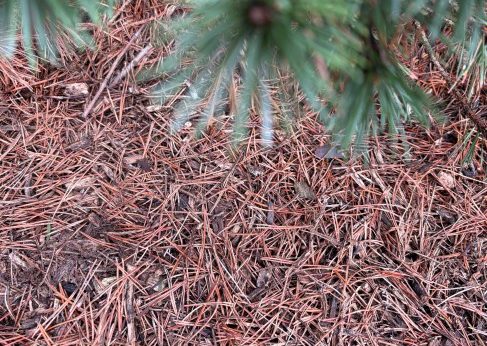 Managing Euonymus Scale Infestation in Pachysandra
 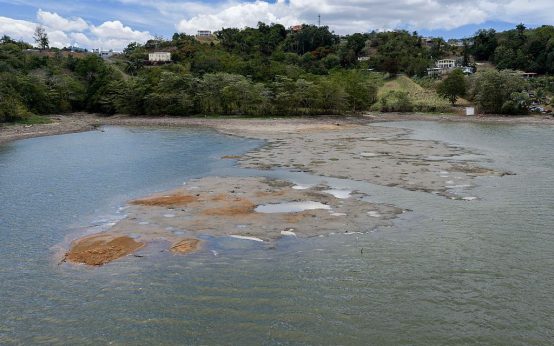 Puerto Rico’s Water Crisis: Infrastructure Challenges and Civic Engagement
 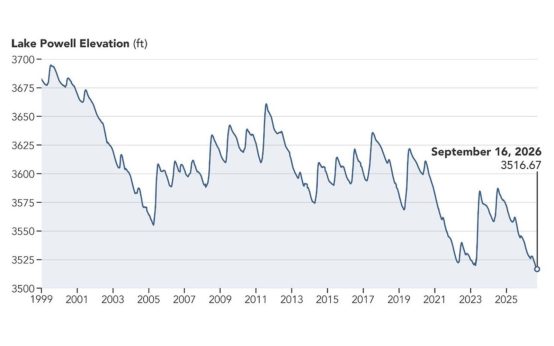 Satellite Images Show Dramatic Retreat of Lake Powell Over Nine Years
 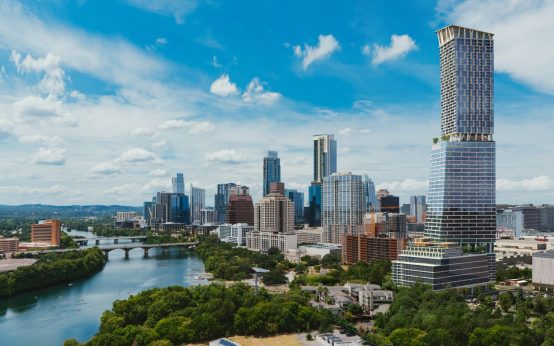 Texas’s New Tallest Skyscraper: Waterline Marks Architectural Progress
 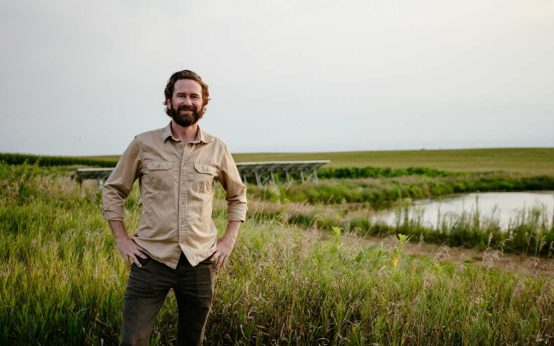 Transforming Faaborg Family Farm from Hogs to Mushrooms
 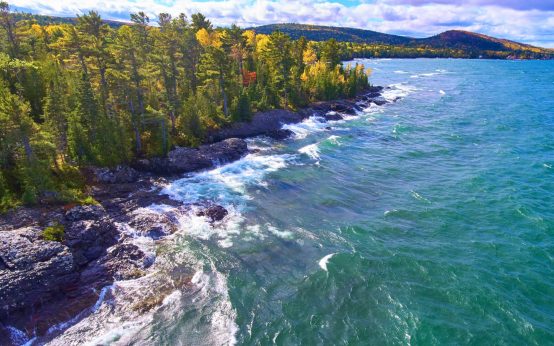 Great Lakes Face Beach Hazards Due to Dangerous Currents