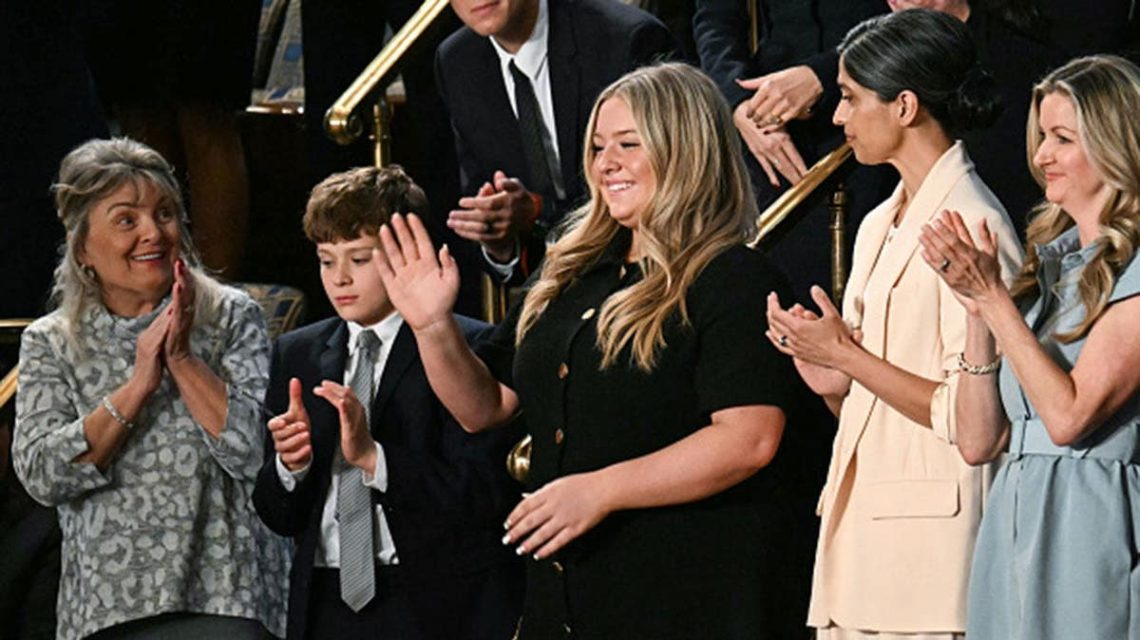
Sophie Cunningham of the Indiana Fever has stirred discussions in women’s sports. Yet, long before her involvement, Payton McNabb lived through its implications. A high school volleyball game drastically altered McNabb’s life. Now, she sees Cunningham taking on a challenge that has taken her to Capitol Hill.
After a traumatic brain injury and partial right-side paralysis from a ball hit by a biological male opponent, McNabb extended her advocacy from a North Carolina volleyball court to Washington. She has testified before lawmakers about the need to defend women’s sports and Title IX.
At 21, McNabb observes a similar battle in the WNBA. She believes the league’s stance highlights a significant double standard.
Speaking with OutKick, McNabb praised Cunningham’s courage to stand up. She criticized Minnesota Lynx head coach Cheryl Reeve for supporting transgender inclusion and noted Caitlin Clark’s potential influence on the next generation of female athletes.
“I began speaking out at 18. I’m 21 now. Yet, why did I face Congress to explain biological differences? It seems so illogical,” McNabb expressed to OutKick.
McNabb has been impressed by Cunningham’s willingness to speak her mind, especially as her career rises.
“Sophie has shown great courage. It shouldn’t require such bravery to say these truths, but it does,” McNabb stated.
She highlighted the backlash faced by Cunningham as evidence of the risk involved.
“She’s villainized for voicing thoughts many share but fear to express,” McNabb remarked.
Reeve, who publicly defended transgender participation and wore a supportive shirt during a game, received less praise from McNabb.
“It’s perplexing to see women like Cheryl Reeve oppose girls and women,” McNabb noted.
McNabb pointed out the contradiction of striving for female empowerment while enabling biological males to compete in women’s sports.
She foresaw a change when a biological male joins the WNBA and visibly impacts the league.
McNabb referenced Julie Tétart, a biological male excelling in a French women’s league, expressing concern over a potential WNBA transition.
“When a male athlete affects them directly, they’ll understand,” McNabb foresaw.
Her intent isn’t to disrupt the WNBA. She wants female athletes protected, even those opposing her stance.
McNabb challenged the league’s progressive ethos to extend to coaching positions if it permits biological males in female sports.
“Transgender individuals should coach. If it’s acceptable in high schools, it should be in the league,” McNabb argued.
Regarding Caitlin Clark, McNabb acknowledged why Clark concentrates on basketball despite the ongoing debate.
“She’s criticized without cause, likely fueling a desire to avoid further backlash,” McNabb observed.
Still, McNabb believes Clark’s influence naturally positions her in Title IX discussions.
“Caitlin’s views matter greatly to future generations of female athletes,” McNabb emphasized.
McNabb maintained that few in women’s basketball have more influence than Clark.
“As a top player, embracing her role would greatly impact young females inspired by her success,” McNabb claimed.
McNabb’s advocacy remains deeply personal. Over three years after the injury, she has observed significant health improvements.
“Doctors predicted it might take three years to see progress, and it surprisingly took exactly that,” McNabb shared.
Once a novice public speaker, McNabb now testifies before Congress and serves as an ambassador for Independent Women. She uses her experience to prevent others from suffering similar situations.
“I never planned to enter politics. My real-life story affected a community and brought awareness to an important issue,” McNabb concluded.
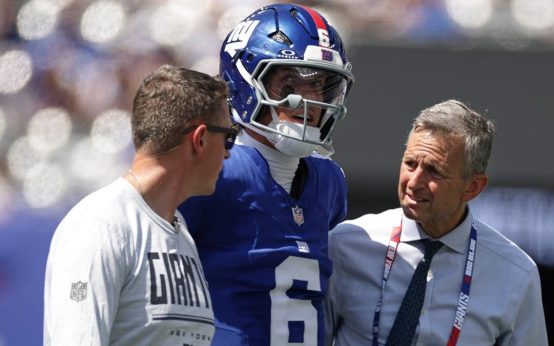 Three-Word Descriptions for NFL Teams After Week Two
 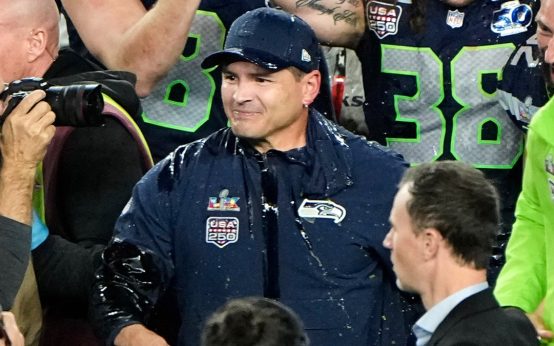 Seahawks Coach Mike Macdonald and the Broncos Incident
  Youth Hockey Player in Massachusetts Faces Indefinite Suspension After On-Ice Incident
 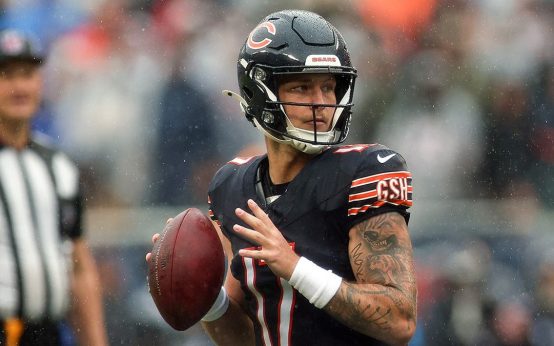 Bears Face Quarterback Challenges with Injuries
  Kevin Durant Avoids WNBA Gender Eligibility Debate
  Will Levis Joins New York Jets, Eyes Career Revival