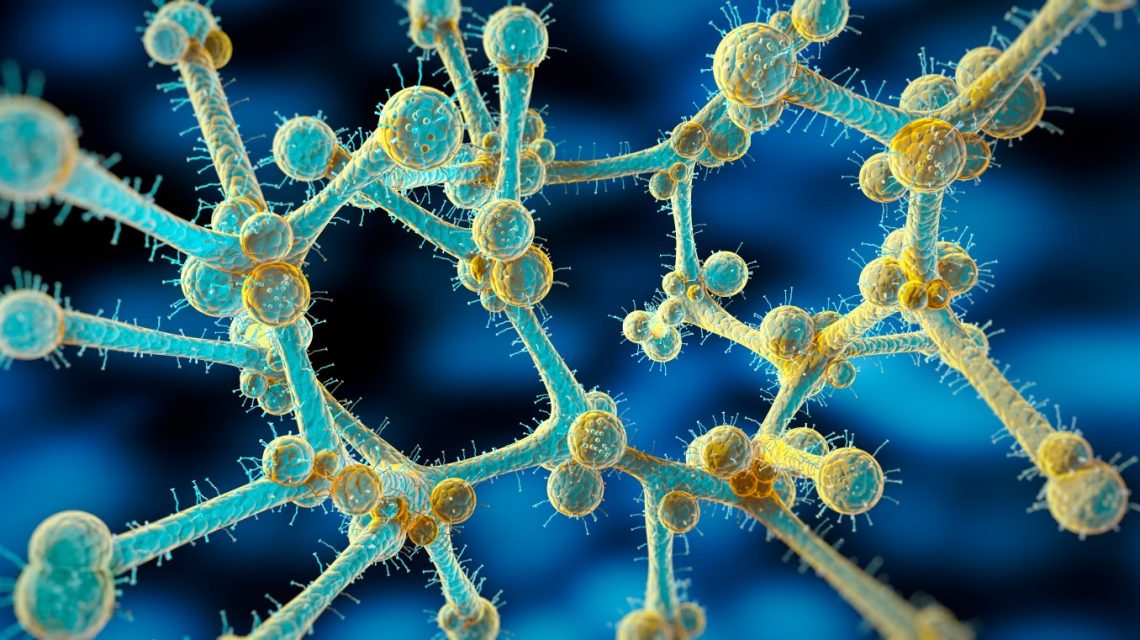
A drug-resistant fungus called Candida auris poses a significant threat to hospital patients across the United States, with thousands of fatalities annually. Recent research has unveiled how this fungus survives on human skin by manipulating the body’s immune system.
Dean Merrill, a dermatologist and professor at the University of California, San Francisco (UCSF), leads the study revealing these findings. According to Merrill, “Candida auris colonizes skin way better than most other fungi, setting it up to invade once the immune system is weakened.”
Currently, there is no effective method to remove the fungus from the skin. The fungus has been detected in over half of U.S. states, with reports indicating screenings across multiple regions as of July 2026, according to the Centers for Disease Control and Prevention (CDC).
A Silent but Deadly Threat
Initially identified in Japan in 2009, Candida auris has rapidly spread to hospitals and long-term care facilities worldwide. Though it may live harmlessly on the skin, if it enters the bloodstream, it can be fatal, particularly for vulnerable individuals. The fungus is responsible for approximately 3,000 deaths yearly in the U.S. It is difficult to treat due to resistance to common antifungal drugs.
The UCSF-led study, published in Science, aimed to discover why C. auris persists on the skin while other fungi do not. Researchers compared C. auris with Candida albicans, a common fungus typically cleared by a healthy immune system. In experiments with mice, C. albicans vanished quickly, while C. auris persisted, hiding deep within hair follicles.
The immune responses triggered by the two fungi were markedly different. C. albicans induced a signal named IL-17, which encouraged skin renewal and boosted natural antifungal defenses, clearing the infection effectively. In contrast, C. auris activated interferon gamma, a signal usually associated with combatting viruses, rendering it ineffective for fighting fungal infections.
Rewiring the Skin’s Defenses
C. auris modifies its cell wall to reveal more chitin molecules, provoking nearby immune cells to release interferon gamma around hair follicles. This suppresses the skin’s antifungal defenses, including the crucial IL-17 response, leading to slower hair follicle cell turnover and a buildup of older cells. As a result, the fungus finds a hidden, undisturbed niche to thrive.
Suzanne Noble, a professor of microbiology at UCSF and co-senior author, expressed surprise at the fungus’s use of chitin to create a nesting environment on the skin.
The research suggests potential strategies to eradicate C. auris from the skin. One approach might involve developing drugs to redirect the immune response from interferon gamma to IL-17, thereby restoring the skin’s antifungal clearing ability. Another possibility could be blocking chitin to deter the interferon gamma response initially.
Overall, the study provides insight into how microbes coexist with the human body before becoming dangerous, offering a new framework for understanding microbial interactions.
Study reference: Merrill, E. D., Noble, S. M., et al. (2026). The fungal pathogen Candida auris exposes chitin to trigger IFNγ and persist in hair follicles. Science. https://dx.doi.org/10.1126/science.adu6688.
 Measles Exposure in Philadelphia Raises Health Concerns
  Lawsuits Claim Vision Loss Risk from GLP-1 Medications
  States Tighten Regulations on Tianeptine, Known as ‘Gas Station Heroin’
  Medicare Lab Test Payments: Upcoming Changes and Their Implications
  Gen Z Faces Economic Barriers to Dating and Intimacy
  Understanding and Preventing Suicide: A Public Health Priority