Artificial intelligence is at the core of many key debates today. These range from employment and data management to healthcare, security, and consumer rights. A pressing question remains overshadowed: will AI models remain truthful, or will they hide biases within their responses?
The Illusion of Neutrality
General-purpose AI tools claim neutrality, offering information, analysis, and unbiased answers. Despite this, they often display hidden biases. While overt misrepresentation, like altering historical figures’ identities, is easy to spot, subtler biases often go unnoticed. Many users don’t verify AI responses, leading them to potentially skewed information.
Reports have highlighted these biases. The Washington Post tested AI models on divisive topics, discovering a tendency toward left-leaning views. Yet, these views were presented as neutral. Similarly, MIT’s research identified a leftward bias in AI outputs even when starting with factual input.
Legislative Moves and AI Control
Without unified federal guidelines, some states, such as New York and California, are moving forward with laws like Colorado’s Artificial Intelligence Act. These laws demand impact assessments and anti-bias mandates. However, these could pressure companies to alter AI responses, steering them to state-specific agendas. The Federal Trade Commission (FTC) interprets such laws as compelling companies to adjust AI model outputs to match state ideologies.
The magnitude of AI’s adoption surpasses previous technologies. Many people depend on AI for information, work tasks, and understanding politics. The New York Times reports increased use of AI chatbots by voters to learn about candidates, viewing them as unbiased alternatives to traditional media.
Federal Response and Regulations
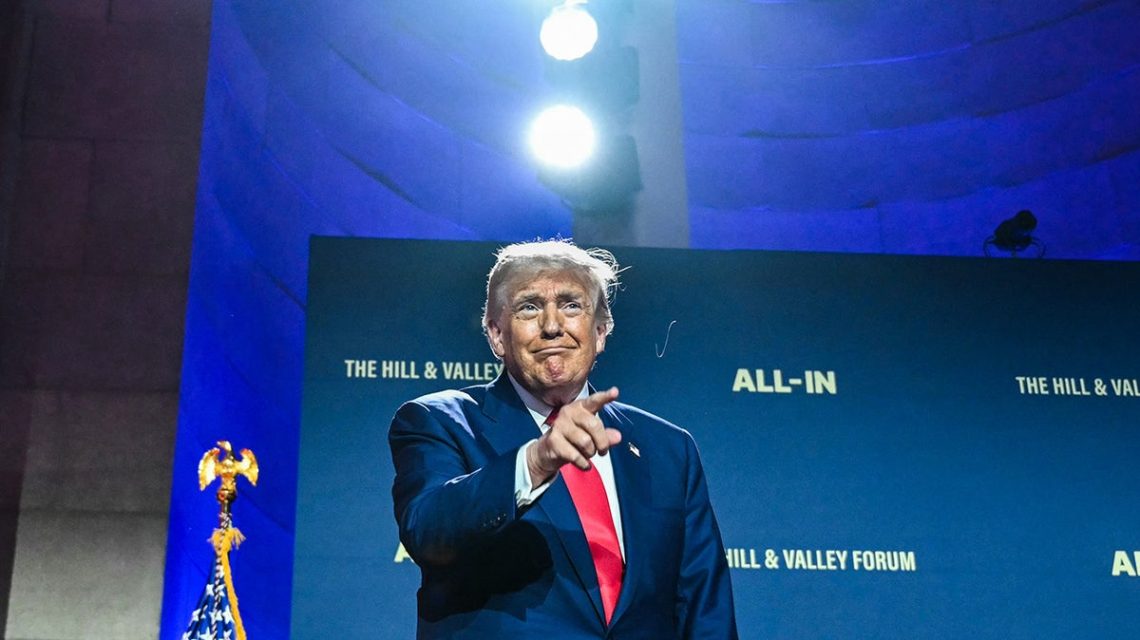
Under President Donald Trump, steps were taken to address these biases. The AI Action Plan emphasizes trustworthiness and truth in AI, opposing social engineering. Executive actions have been aimed at preventing federal use of biased AI models, aligning them to federal standards.
FTC Chairman Andrew Ferguson proposes applying current consumer protection laws to unreported AI biases. According to the FTC Act’s Section 5, a deceptive representation misleads and impacts consumer decisions. By this definition, AI models portraying bias as objectivity may breach federal laws.
The proposal reaffirms federal control, as AI models are standardized nationwide commodities. Yet, state diversity allows some to dictate national standards. The FTC proposes a single national standard for AI, similar to national regulations for cars and drugs.
This approach makes sense: any undisclosed model bias that misleads users should be transparently communicated, adhering to federal law. This aligns with the goals set in the AI Action Plan, enhancing America’s AI leadership.
Nicholas Elliot, director of Government Affairs for Innovation Council Action, has previously held roles at the White House, the Commodity Futures Trading Commission, and the U.S. Senate.
 Data Centers in Virginia face Growing Opposition
  Texas Leads Air Taxi Innovation with Project Nexus
  Influencer Brothers Logan and Jake Paul Visit the Pentagon
  Florida Reports First Dengue Fever Death as Outbreak Expands
  American Public Opinion on Press Freedom
  St. Laurence High School’s Transformative Journey