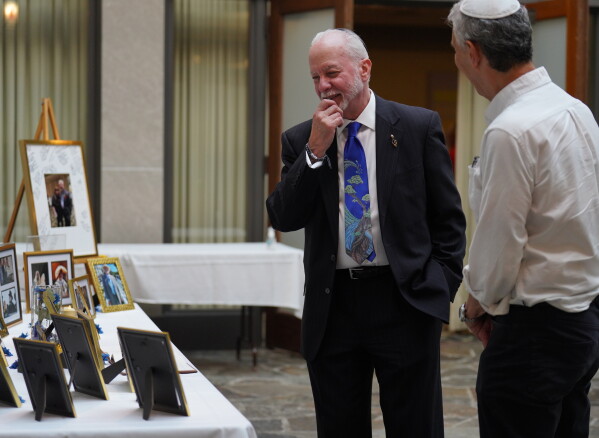
In Kochi’s historic Jew Town neighborhood, Keith Hallegua walked to the synagogue as the sun set. It was Shavuot, celebrating when God gave the Torah to Moses. The 458-year-old Paradesi Synagogue awaited him, but he prayed alone without a minyan.
Hallegua is the last local Jew in Jew Town. Across Kochi, Elias “Babu” Josephai recalled the fried dough balls, chukkunda, his grandmother made for Shavuot. These memories define a dwindling community determined to preserve its past.
The Last Cochin Jews
In the 1950s, many Jews in Kochi moved to Israel, leaving behind synagogues and cemeteries. Hallegua and Josephai stayed as the last local representatives of a community with a rich history marked by religious freedom but also internal divisions over class and colorism.
Hallegua, a Paradesi Jew, descends from 16th-century Sephardic ancestors who fled the Spanish Inquisition. The Meshuchrarim Jews, the descendants of enslaved people brought by Paradesi Jews, faced past discrimination. This division impacted the community even after many migrated. Though contact between Hallegua and Josephai is rare, they share a deep pride in their heritage.
Preserving Synagogues
Josephai focused on the Kadavumbagam Synagogue, the last functioning Malabari worship house. Services are now rare. He mourns the synagogue’s past vibrancy. Hallegua, on the other hand, as the last Paradesi synagogue congregant, relies on tourists for a full service.
“I often ask HaShem why this happened,” Hallegua said, “but I never hear a response.”
Cultural Preservation Efforts
Tourists visit the Paradesi Synagogue amid spice warehouses and handicraft stores, reflecting the community’s historic role in the spice trade. The synagogue boasts blue and white porcelain tiles, crystal chandeliers, and a teakwood Torah ark. The women’s section sits upstairs.
Trustee M.C. Praveen, a Hindu who grew up in Jew Town, dedicates himself to preserving Cochin Jewish history. He interacts with former community members and their descendants, fostering connections beyond geography.
Shulamit Kotzer, who moved to Israel as a child, still views Cochin as her home. This year, synagogue leaders inaugurated a museum depicting Kochi’s Jewish history, featuring an original settlement deed from 1000 CE.
Non-Jewish Participation
Praveen is not alone. Thaha Ibrahim, a Muslim, maintains an embroidery shop once run by Sarah Cohen, a Jewish neighborhood matriarch. Cohen taught him Jewish embroidery. Ibrahim honors her legacy by lighting Shabbat candles and closing the shop for Shabbat.
“This is about human connection,” Ibrahim affirms.
Malabari Jewish Heritage
Josephai oversees the Kadavumbagam Synagogue in Ernakulam. He restored it after vandalism, with help from diverse religious supporters. A Muslim donated lamps, a Christian provided a Ten Commandments plaque, and a Hindu foundation funded chandeliers. Josephai promised his grandmother to maintain the synagogue’s prayer rituals, reflecting on his siblings’ migration to Israel in 1972.
Thapan Dubayehudi, a Malabari Jew now in Vienna, regards Josephai as a crucial historian. He cherishes shared memories of Hanukkah celebrations with Josephai.
A Unique Identity
Hallegua remains due to familial duties. His memories include Paradesi Jewish songs and family traditions. Hallegua accepts that these will end with him. Despite this, he feels grounded in his homeland, stating, “I was born a Jew in India, and I shall die in India, a Jew.”
The Associated Press provides religion coverage through collaboration with The Conversation US, funded by Lilly Endowment Inc.
 Court Rules Against Third-Country Deportation Policy
 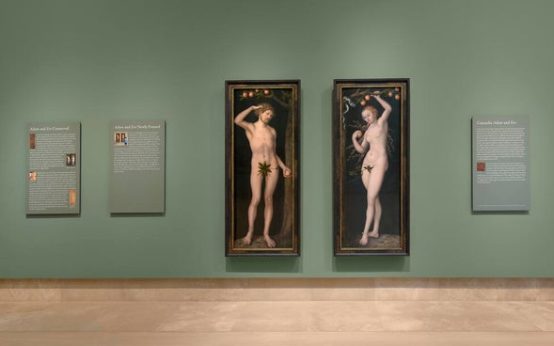 Claims to Nazi-Looted Art Spark Legal Battle in California
  U.S. Secures Strategic Control Over Greenland
 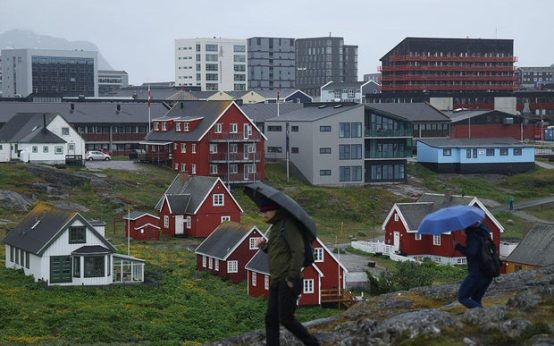 U.S. and Denmark Move Towards Security Agreement Over Greenland
 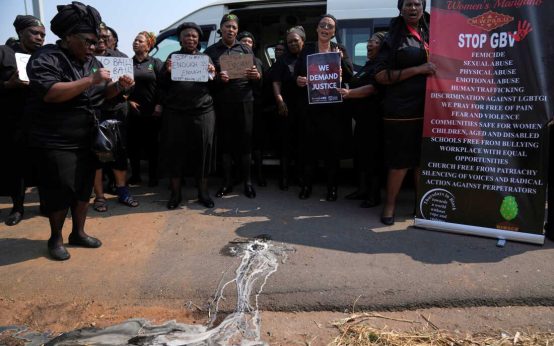 Rising Concern Over Gender-Based Violence in South Africa
 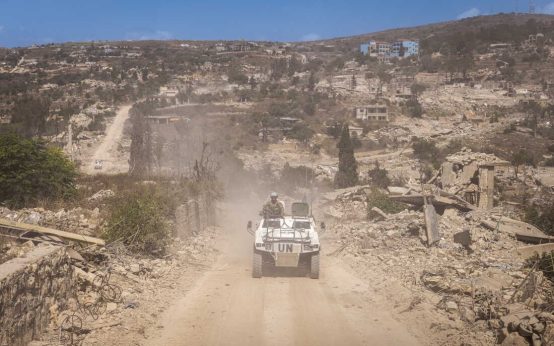 UNIFIL’s Final Patrol in Southern Lebanon Amid Changing Borders