Millions of seniors might encounter higher prescription drug expenses following the Trump administration’s decision to end a temporary Medicare subsidy program earlier than planned. Democratic leaders are urging the White House to reconsider.
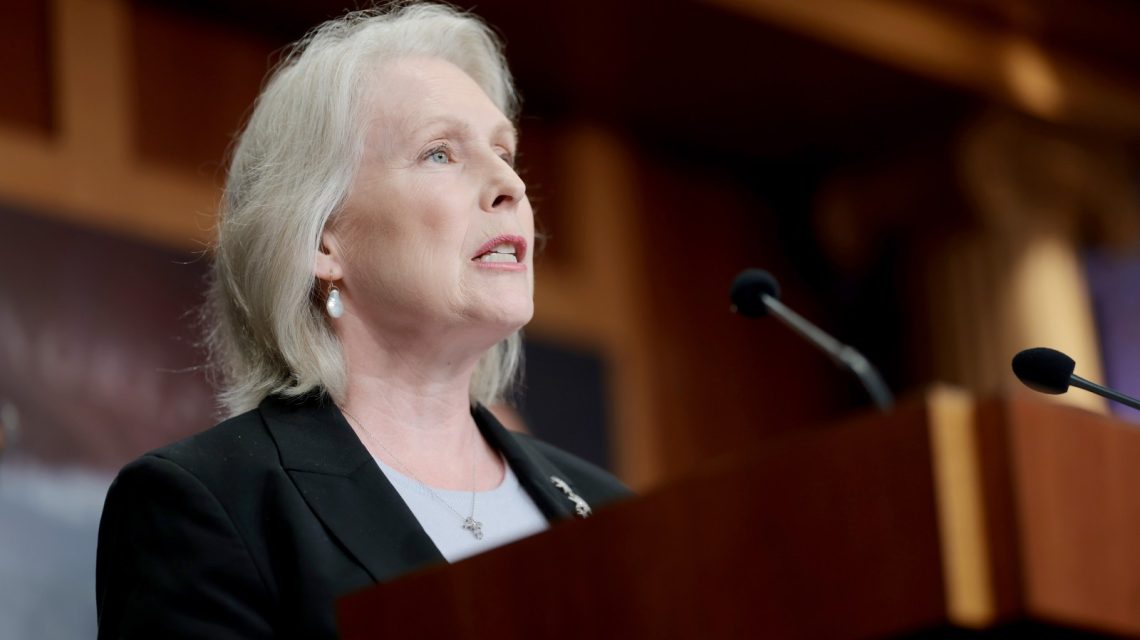
On Wednesday, New York Governor Kathy Hochul and Senator Kirsten Gillibrand criticized the termination of the Medicare Part D Premium Stabilization Demonstration Program at the end of 2026. Gillibrand warned this could lead to a 40 percent increase in premiums, while Hochul highlighted the financial pressure on seniors already dealing with rising costs.
“While Republicans in Washington are focused on making life more challenging for hard-working Americans, I’m focused on helping seniors and easing financial burdens,” Hochul stated.
Why It Matters
Medicare Part D offers prescription drug coverage to millions in the U.S., primarily seniors and those with disabilities. Introduced in 2024, the Part D Premium Stabilization Program aimed to curb premium increases and ease the transition under the Inflation Reduction Act. Though Democrats argue that scrapping the subsidies will increase costs for seniors, the Centers for Medicare & Medicaid Services (CMS) contends the program was always meant to be temporary. They believe insurers can now accurately price their plans without subsidies.
What to Know
The Trump administration announced the program’s conclusion on December 31, 2026, set a year earlier than the initial plan. Hochul’s office estimates around 1.3 million seniors in New York could be impacted. Gillibrand emphasized the program’s past success in lowering costs and expressed concerns about substantial premium hikes if it ends.
“This administration spends on overseas matters while neglecting our seniors at home,” Gillibrand criticized. “It’s a betrayal of our values and unacceptable.”
Nationwide, 25 million are enrolled in Medicare Part D plans, but the exact count of potential premium increases remains uncertain. Kevin Thompson, CEO of 9i Capital Group, noted that many seniors have benefited from government subsidies cushioning the real costs.
What CMS Says
The Trump administration justifies the move by stating the Part D market is stable and subsidies are no longer essential.
“The market’s stability means this bailout isn’t needed anymore. Premiums might rise by less than $10 for most, with some seniors experiencing decreases,” said CMS Administrator Dr. Mehmet Oz.
A CMS spokesperson reiterated the program’s temporary nature, aimed at addressing market instability due to the Inflation Reduction Act. Recent data from CMS indicates that plan bids have stabilized.
What Happens Next
Unless there’s a reversal or congressional intervention, the subsidy will end on December 31, 2026. Beneficiaries will choose 2027 plans without federal support that has mitigated premiums since 2024.
Alex Beene, a financial literacy instructor, suggested that seniors review and compare plans during Open Enrollment to potentially avoid premium hikes.
“While drug-price negotiations and out-of-pocket caps offer savings, beneficiaries must carefully select plans annually,” Beene advised.
 Lawsuits Claim Vision Loss Risk from GLP-1 Medications
  States Tighten Regulations on Tianeptine, Known as ‘Gas Station Heroin’
  Medicare Lab Test Payments: Upcoming Changes and Their Implications
  Gen Z Faces Economic Barriers to Dating and Intimacy
  Understanding and Preventing Suicide: A Public Health Priority
  Presley Gerber’s Death Highlights Concerns in Addiction Treatment Approaches