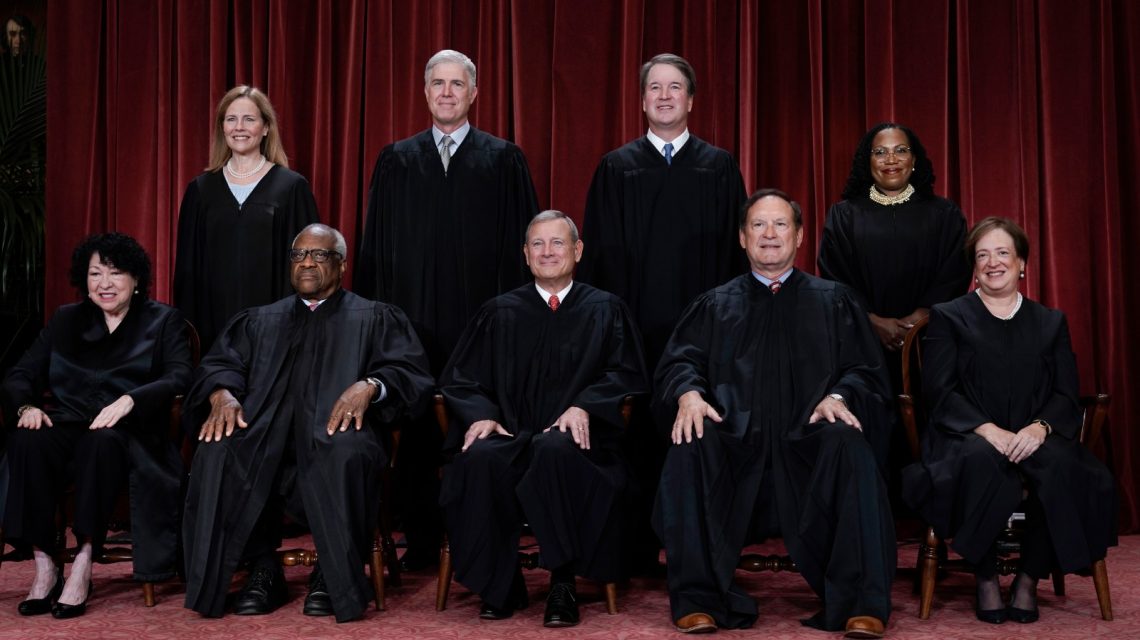
The Supreme Court begins its new term in October with seven significant cases scheduled for the first two weeks. These cases address diverse issues such as climate change liability, immigration detention, veterans’ benefits, environmental regulation, federal sentencing, and digital privacy. The court has published its oral argument calendar for October 5-14, placing these topics under scrutiny.
Suncor Energy v. Commissioners of Boulder County
The initial case, Suncor Energy v. Commissioners of Boulder County, involves a Colorado county seeking compensation from oil and gas firms. The county alleges these companies, through their activities, have caused climate-related damages. They argue that the firms misrepresented the risks associated with fossil fuels, contravening state law.
The Supreme Court will determine if federal law precludes these state-law claims as they pertain to greenhouse gas emissions. The outcome of this case could have extensive effects on similar lawsuits across the country. Columbia Law School professor Michael Gerrard has suggested that the decision may impact over two dozen pending lawsuits against major fossil fuel entities.
Johnson v. United States Congress
The second case, Johnson v. United States Congress, examines federal jurisdiction over veterans’ benefits. Floyd Johnson, a U.S. Army veteran, challenges the reduction of his disability benefits, arguing that such determinations should be subject to judicial review.
The court will decide whether constitutional challenges to veterans’ benefits laws should be heard in federal district courts or through the Department of Veterans Affairs. This ruling will clarify where veterans can file their suits concerning benefits disputes.
Anderson v. Intel Corp. Investment Policy Committee
In Anderson v. Intel Corp. Investment Policy Committee, the court will review criteria that participants of employer-sponsored retirement plans must meet to pursue fiduciary-duty claims under ERISA. Winston R. Anderson, the plaintiff, alleges that changes in investment structure led to poor performance of retirement plans, claiming plan managers acted imprudently.
The Supreme Court will assess the standards for bringing such claims, offering clarity on the obligations of fiduciaries in managing retirement funds.
Department of the Air Force v. Prutehi Guahan
This case concerns environmental reviews and federal permitting issues in Guam. Prutehi Guahan, an environmental group, contests the Air Force’s permit renewal for an ordnance disposal facility.
The dispute will address whether the Air Force needed to complete an environmental impact statement before filing the renewal application. The court’s decision will influence future suits over environmental permits issued by federal agencies.
Beaird v. United States
Beaird v. United States, opening the second week, questions whether courts should maintain a 1993 precedent that gives significant weight to the U.S. Sentencing Guidelines’ commentary. Bradley Beaird claims the commentary has been treated as binding, affecting guideline interpretations.
The decision will affect how much authority is granted to commentary in federal sentencing, potentially altering future legal interpretations and enhancements.
Genalo v. Black
The Genalo v. Black case examines constitutional limits on prolonged immigration detention. A noncitizen argues that extended detention without a bond hearing violates due process.
The Supreme Court will decide on the procedural standards for bond hearings and the constitutional rights of noncitizens held during pending immigration proceedings, providing guidance on due process in immigration cases.
Salazar v. Paramount Global
The final case, Salazar v. Paramount Global, looks at how federal video privacy law applies to modern streaming platforms. The dispute revolves around the 1988 Video Privacy Protection Act and its relevance to digital services.
The court will clarify the legal boundaries surrounding consumer data collection and sharing by media companies, potentially affecting privacy litigation involving streaming services and digital platforms.
 Spotlight on Grieving Father in Lindsay Clancy Case
  Veteran Customs Agent Found Guilty of Attacks on Sex Workers
  Juror in Lindsay Clancy Case Retains High-Profile Lawyer
  Florida Plastic Surgeon Faces Trial for Allegedly Murdering Attorney
  Lindsay Clancy Trial Juror Mistrial Sparks Legal Scrutiny
  Grand Jury Declines Indictments in Nolan Wells’ Case