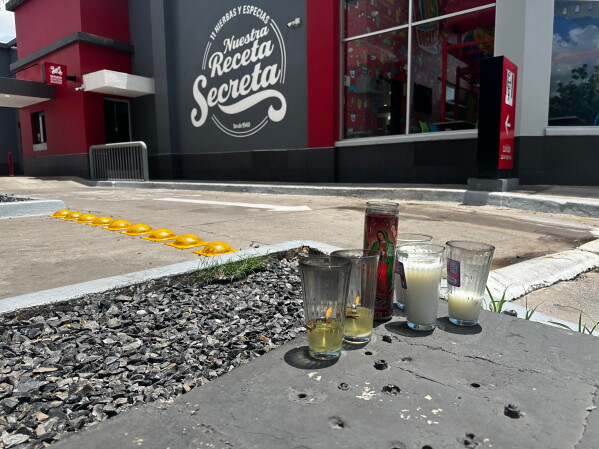
Details surrounding the 1996 murder of iconic rapper Tupac Shakur are set to be explored in the trial of Duane “Keffe D” Davis. Davis, now 63 years old, is charged with orchestrating the drive-by shooting that fatally wounded Shakur and injured music mogul Marion “Suge” Knight near the Las Vegas Strip. Davis’ trial is scheduled to start on August 10, following his 2023 arrest. He has entered a plea of not guilty.
The Night of the Murder
On September 7, 1996, Shakur was riding in the passenger seat of a black BMW driven by Knight when shots were fired from a white Cadillac. Knight sustained injuries but survived, while Shakur succumbed to his wounds a week later, passing away at 25. Investigators link the incident to intense rivalries between East Coast and West Coast factions within the hip-hop community. Davis has identified himself as a leader of the Crips sect in Compton, California.
Individuals in the Vehicles
Authorities and testimonies from multiple sources, including Davis’ 2019 memoir, “Compton Street Legend,” provide insights into the individuals involved on that fateful night.
Tupac Shakur
Regarded as a transformative figure in hip-hop, Shakur’s impact is indelible. He released five No. 1 albums and earned six Grammy nominations. Inducted into the Rock & Roll Hall of Fame in 2017, he received a posthumous Hollywood Walk of Fame star in 2023 and is set to feature in the video game “Stranger than Heaven.” His murder occurred while his album, “All Eyez on Me,” continued to top the charts with millions sold. Shakur also acted in several films. Born Lesane Parish Crooks in New York in 1971, he was later named after Tupac Amaru II. His parents were involved in the Black Panther Party.
Marion “Suge” Knight
Suge Knight, founder of Death Row Records, served as a prominent figure in the rap industry. Knight survived the attack on Shakur, only to face later legal troubles; he is currently serving a 28-year sentence for voluntary manslaughter following a 2015 incident. Once close to Davis, Knight and Shakur were en route to a nightclub when the shooting occurred.
Orlando “Baby Lane” Anderson
Initially suspected as the shooter, Anderson was involved in a casino brawl with Shakur and others before the attack. Davis, Anderson’s uncle, described their relationship as familial. Despite longstanding suspicions, no charges were ever filed before Anderson’s unrelated death in 1998.
Deandrae “Freaky” Smith and Terry “Bubble Up” Brown
Testimonies suggest different narratives about who fired the shots. Smith, allegedly the shooter, died in 2004 of natural causes. Brown, who drove the Cadillac, allegedly plotted with others before the incident, but died in unrelated violence in 2015.
Regardless of what emerges from Davis’ trial, the case remains a topic of intense public and legal scrutiny, encapsulating both the tumultuous nature and cultural significance of the 1990s hip-hop scene.
 Controversy Surrounds Adam Brody’s Genocide Comment
 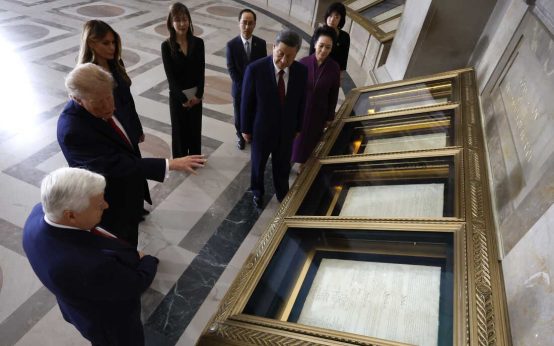 Historical Discrepancies and Diplomatic Sensitivities in U.S.-China Relations
 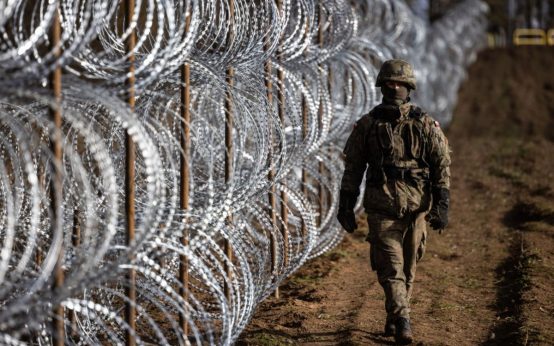 Escalating Tensions: Russia’s Nuclear Threat and the Kaliningrad Conundrum
 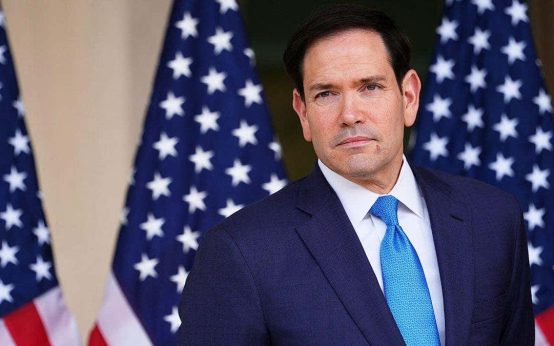 Marco Rubio Discusses Thwarted UK Terror Plot and Global Threats
 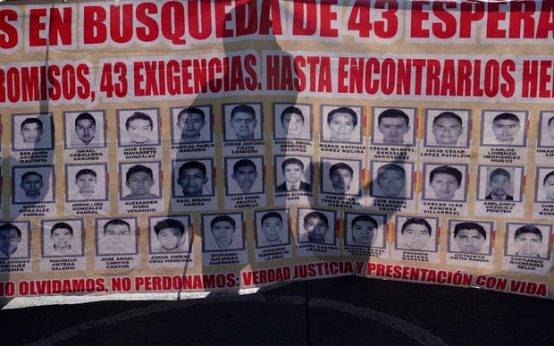 New Leads Emerge in 2014 Ayotzinapa Student Disappearance Case
 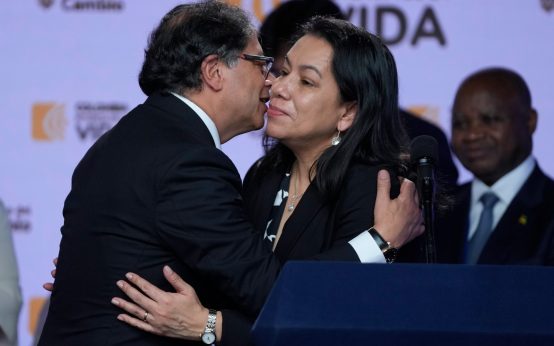 Concerns Over U.N. Secretary-General Candidate’s Alignment