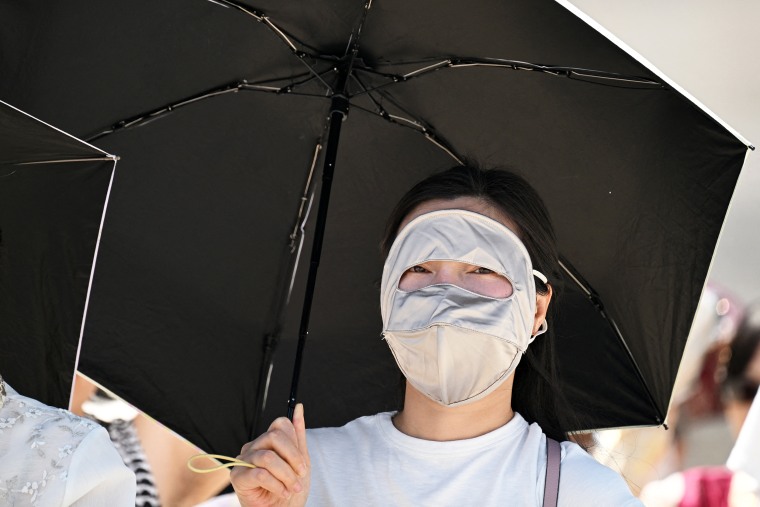
Heat Wave Intensifies Across East Asia
On August 4, 2026, large areas of East Asia are experiencing a deadly heat wave, setting new temperature records in South Korea and complicating recovery efforts after an earthquake in Japan. Since mid-May, at least 19 people in South Korea have died due to the extreme heat. President Lee Jae Myung has declared the situation a national disaster, emphasizing the need for a comprehensive overhaul of the national crisis system to address the increasing frequency of extreme weather.
In Yangsan, temperatures reached 42.5 degrees Celsius (108 Fahrenheit), the highest recorded in 122 years. These unusually high temperatures have primarily affected the southern regions, but they are now spreading north towards Seoul. The Korea Meteorological Administration issued a new ‘severe’ heat wave warning for all of Seoul, as the perceived temperature surged to at least 38 degrees Celsius (100.4 F). Residents in the Seoul area, home to over 26 million people, are advised to remain indoors, stay hydrated, and check on vulnerable individuals.
North Korea is also experiencing soaring temperatures. The state newspaper, Rodong Sinmun, advised residents to minimize outdoor activity and for farmers to protect their crops. Intense heat in Japan is worsening the situation for those affected by a 7.1-magnitude earthquake that hit Kumamoto prefecture on July 28. The region has seen temperatures exceed 100 degrees Fahrenheit. Over 40,000 households still lack water, and scores of displaced people remain in emergency shelters or sleep in their cars, wary of potential aftershocks.
“Heartbreaking,” remarked Kumamoto Governor Takashi Kimura on a woman’s death from heat stroke while seeking refuge in a car.
Governor Kimura urged displaced residents to use air-conditioning in their cars or relocate to air-conditioned centers. He also sought increased government assistance to improve conditions in shelters lacking air-conditioning and clean water.
Prime Minister Sanae Takaichi assured efforts for a continuous water supply to essential facilities and committed to restoring services quickly. During her visit to an evacuation center in Hikawa, she reiterated the government’s dedication to repairing household equipment.
Meanwhile, at the Tama Zoological Park near Tokyo, three lions died from suspected heat-related causes. Of the zoo’s 16 lions, ten showed distress from mid-July. Despite attempts to cool the animals, three female lions died from dehydration and organ failure. The zoo is prioritizing the health of the remaining lions, with some still recovering.
To raise awareness about extreme heat, Japan’s Meteorological Agency introduced ‘kokushobi’ or ‘cruelly hot day’ for temperatures exceeding 40 degrees Celsius (104 F), following a poll with over 200,000 votes. The first such days occurred last month, with five consecutive ‘kokushobi’ recorded.
The highest recorded temperature in Japan was 41.8 degrees Celsius (107.2 F) in Isesaki last August.
 How Battery Innovations Transform Renewable Energy
  Data Centers Stir Controversy in Texas Amid Growth Boom
 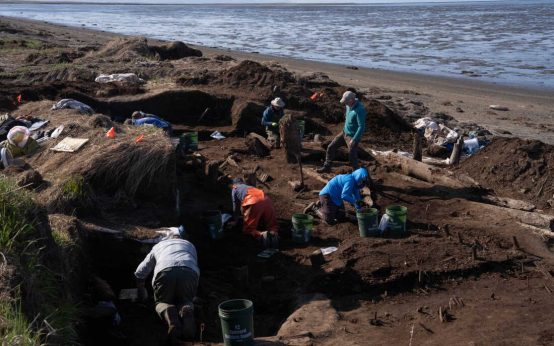 Urgent Archaeological Efforts in Quinhagak Stay Ahead of Erosion
 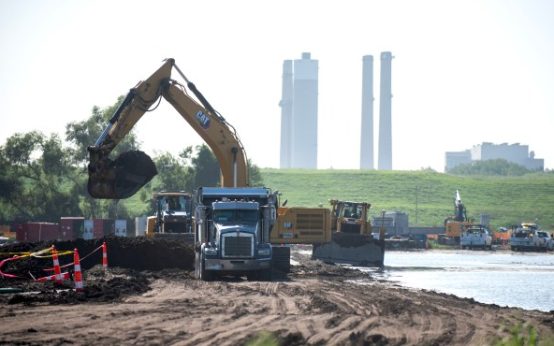 Concerns Rise Over NIPSCO Permit In Jasper County
  Reader Reactions on Grizzlies and Data Centers
 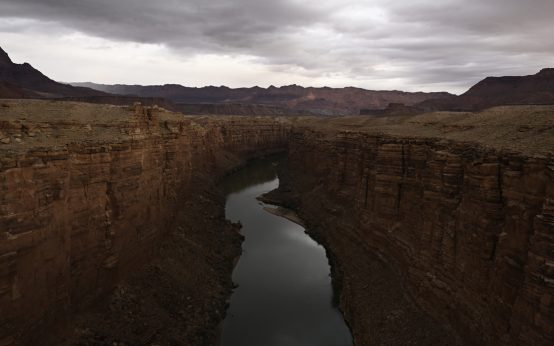 Managing the Crisis of Drying Rivers