Challenges in Iran Strategy
President Donald Trump’s approach to Iran is under scrutiny. His administration aims for a diplomatic resolution, yet military actions continue nearly six months into the campaign, initially expected to wrap up quickly. Trump insists that negotiations with Tehran are progressing, while also warning of potential military escalation if demands are unmet. This dual approach has drawn criticism, including from former allies.
Credibility Concerns
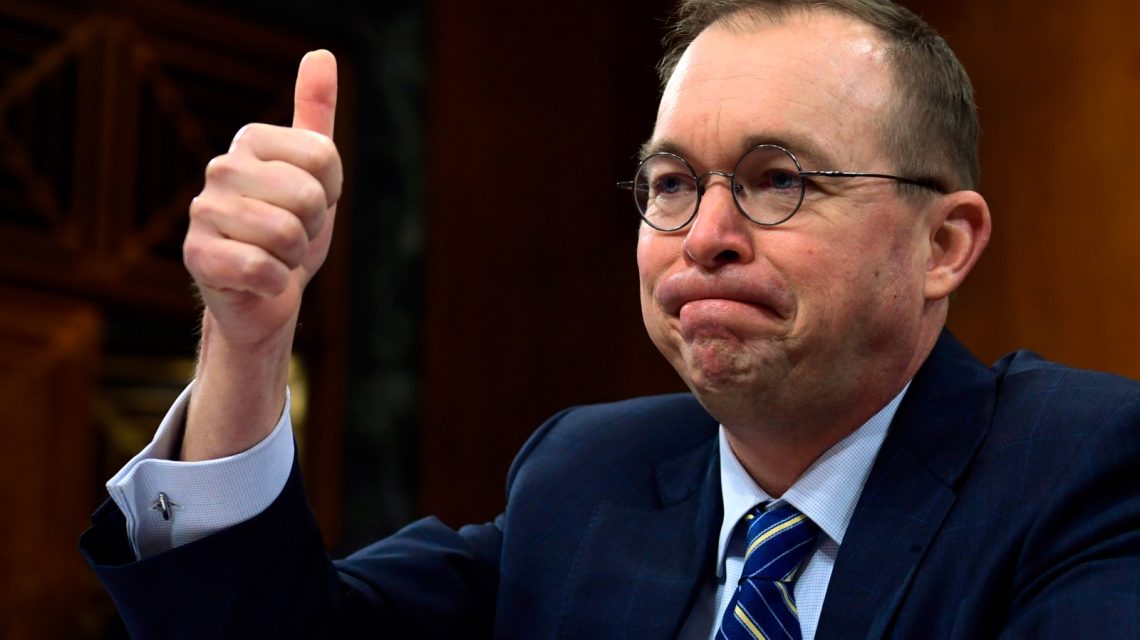
Former White House Chief of Staff Mick Mulvaney highlights potential credibility issues facing the Trump administration. Having served from January 2019 to March 2020, Mulvaney resigned as special U.S. envoy for Northern Ireland following the January 6, 2021, Capitol riot. Speaking on News24, Mulvaney expressed concerns over the mixed signals regarding military force and diplomatic efforts.
Trump’s frequent shifts have left international partners unsure of Washington’s goals.
When asked about a possible deal with Iran, Mulvaney remarked, “We don’t have any clue.” He urged Trump to demonstrate clear progress in diplomacy or military engagement to regain credibility.
Inconsistent Approaches
Critics note Trump’s fluctuating strategy, alternating between threats of force and claims of diplomatic progress. Since April, he has halted airstrikes multiple times for negotiations. Trump recently referred to a potential major attack halted after a supposed request from Iranian authorities, who later denied any talks were occurring. These shifts raise questions about the administration’s commitment to escalation.
Promises of Swift Negotiations
Trump asserted that talks could quickly conclude the conflict. He mentioned the potential reopening of the Strait of Hormuz “literally by tomorrow,” although he acknowledged nuclear negotiations would take longer. Despite emphasizing maximum pressure, Trump expressed frustration with Iran’s public denial of discussions.
Trump labeled Iranian leadership as “unbelievably duplicitous” regarding talks.
He reiterated that the U.S. controls the flow of information and resources until a deal or surrender is reached.
Republican Views on Strategy
The administration’s Iran strategy has polarized Republican opinions. Former Vice President Mike Pence suggested Trump will eventually favor military action over diplomacy. During a Fox News interview, Pence expressed confidence that increased military force might become necessary.
“There will come a moment where my old running mate has had enough,” stated Pence.
While Trump prefers a diplomatic solution, a Fox News poll from mid-July showed widespread doubt about a favorable U.S.-Iran agreement.
Congressional Concerns
GOP Representative Mike Turner expressed dissatisfaction with the administration’s communication regarding Iran and other security issues. On CBS News’ Face the Nation, Turner emphasized the need for more informative briefings from the Pentagon to Congress about the ongoing conflict.
 The War on Poverty: A Lesson on Intentions and Outcomes
  Reporters Blocked from White House by Trump Administration
  Universities Should Reject Political Influence on Research Funding
  Trump’s Approach to China: Trade Dynamics and Challenges
  Media Outlets Sue After White House Ban
  American Public Opinion on Press Freedom