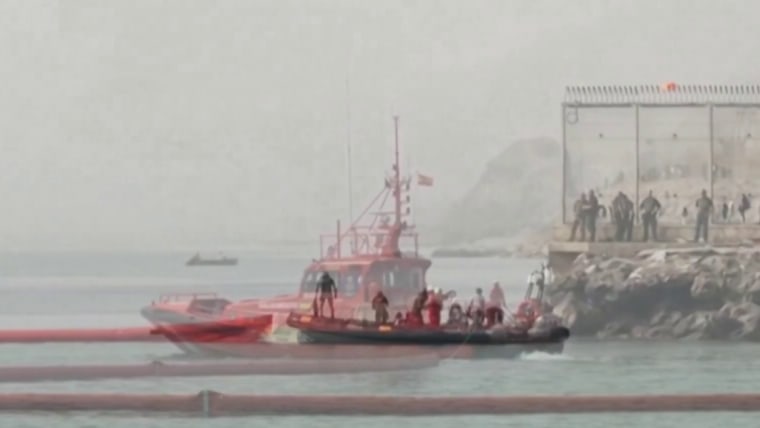
Ceuta Faces Migrant Influx
On August 3, 2026, hundreds of migrants established camps on a beach in Ceuta, a Spanish exclave in North Africa, amid challenges for local authorities handling the ongoing influx. Recent border surges have resulted in approximately 69,500 migrants returning to Morocco, surpassing earlier estimates of approximately 50,000 arrivals last week.
Deaths and Hardships
The current death toll stands at 72 fatalities within Spanish borders, with an additional 11 deaths reported on the Moroccan side. Migrants cite shop closures, food shortages, local hostility, and inability to move to the Spanish mainland as reasons for staying. Ceuta, along with Melilla, Spain’s other North African exclave, often faces crossing attempts by migrants hoping to reach Europe.
Migrants at El Trampolin Beach
Visuals captured by Reuters display numerous migrants from sub-Saharan Africa resting on El Trampolin beach, using towels against the wind, while army and police patrol vehicles guard the vicinity. Ceuta’s leader Juan Jesus Vivas indicated between 3,000 and 5,000 migrants remain in the exclave, and the local reception centers for adults and minors are overwhelmed.
Migrant Legal Protections
Local official Alberto Gaitan reported processing 862 migrant minors, highlighting legal protections against deportation for this group. The situation has fueled anti-immigration sentiment across Europe, leading to diplomatic tensions within the European Union. Spain has directly called out unhelpful responses from some EU partners.
EU Meeting and Diplomatic Tension
Spain’s Foreign Minister, Jose Manuel Albares, emphasized past Spanish support for EU countries during migration crises, expecting reciprocation now. An emergency video conference among EU interior ministers is scheduled to address the crisis. Notably, Italy’s government faces criticism for spreading misinformation.
Morocco’s Involvement and Criticism
Critiques of Morocco’s role in the crisis have arisen, with Ceuta’s Vivas suggesting perceived orchestration by Morocco. However, Morocco’s Interior Ministry blamed misinformation, trafficking networks, and misinterpretation of Spanish legal rulings for the influx. Spanish reports assert Morocco’s lack of premeditated involvement, though relaxed controls contributed to crossings.
Security Services and Intelligence
Spain’s Defense Minister, Margarita Robles, refrained from commenting on whether forewarnings existed, citing secrecy of intelligence services. Meanwhile, Spain’s Interior Ministry spokespeople have downplayed reported tensions within government ministries.
 AI Fears Impact Trump-Xi Dialogue Amidst Challenges
  Venezuelan Leadership Highlights U.S. Relations
  Controversy Surrounds Piers Morgan Following Claims in Earl Spencer’s Memoir
  Ontario Synagogue Shooting During Yom Kippur
 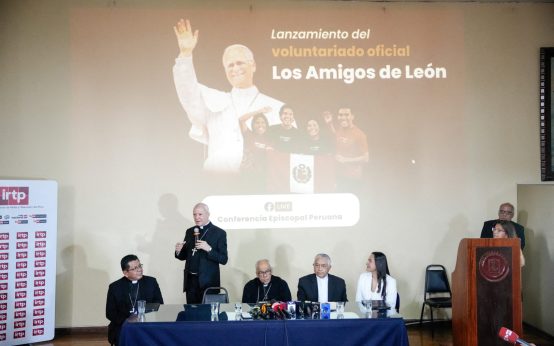 Pope Leo XIV’s Upcoming Visit to Latin America
  Ukraine Deploys Ground Robots in Operation Vivaldi