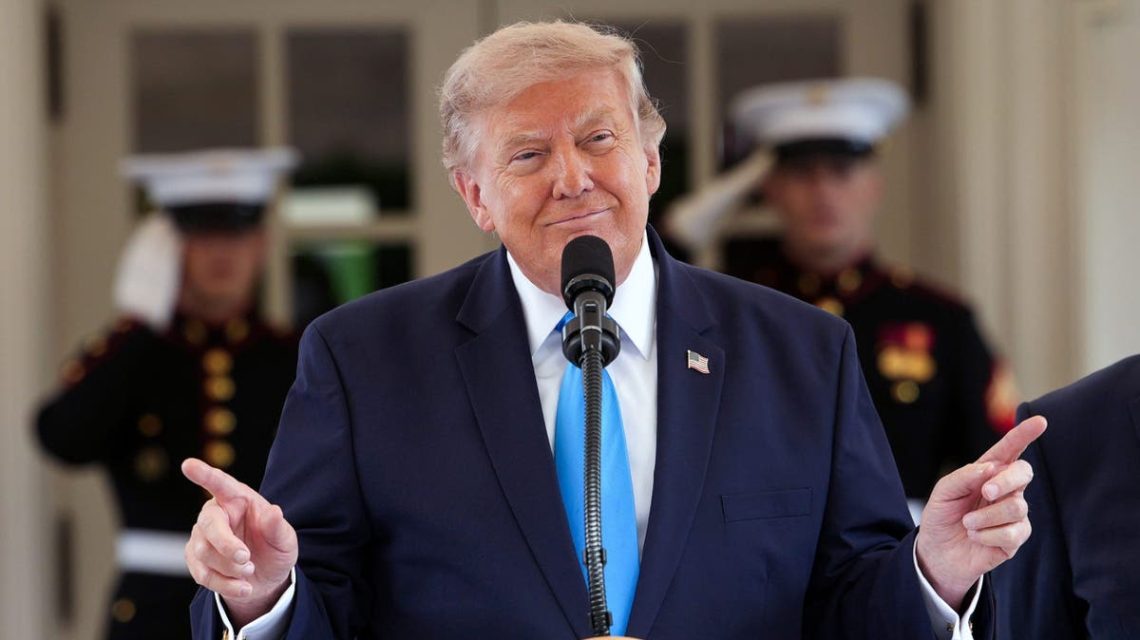
Republicans in the U.S. Senate are concerned that President Trump’s request to cancel the August recess might impact the GOP’s performance in the upcoming midterm elections. With the August exodus from Washington, D.C., approaching, Trump’s key legislative agenda remains unfulfilled. He wants Republicans to remain in the capital until this is resolved, though political realities differ.
As the GOP aims to distance itself from D.C. to promote its successes to voters, the stakes are high. They face more risks than Democrats, as the party holds three vulnerable seats and several others at risk.
“Canceling August recess, when we need our members out campaigning and connecting with voters, is as tone-deaf as asking everyone to stay home in 2020,” said Sen. Thom Tillis, R-N.C. “It’s the same thought process, thinking only one branch governs this country. If we don’t keep majorities, people will regret it.”
Some of Tillis’s fellow Republicans disagree, preferring the Senate stay in session until the SAVE America Act passes, either through party-line reconciliation or by eliminating the filibuster.
The pressure from Trump, the political climate, and the situation’s complexity put incumbents in a dilemma: return home and admit defeat or stay and push stalled legislation. Many Republicans acknowledge that the current Senate math doesn’t favor passing the SAVE America Act. Holding the Senate in session likely won’t sway opponents.
“If staying would change the outcome, I’m fine with it, but it won’t. It’s an act of futility,” said Sen. John Cornyn, R-Texas.
Cornyn and Tillis are retiring, marking their exits in a tumultuous period. Cornyn faced competition from Trump’s endorsement of Ken Paxton during a challenging primary. Cornyn admitted that if he were still campaigning, he might reconsider.
“I don’t know how that would come out, but if I was running for reelection, I would vote to stay,” he added.
Vulnerable Republicans in tight races, including Sens. Jon Husted, R-Ohio, and Dan Sullivan, R-Alaska, have pushed the SAVE America Act but remained cautious on Trump’s recess cancellation push. Husted emphasized his dual role, stating, “While it’s preferable to be in Ohio, I have a job here and will stay if required.”
Others in safer races who support the bill understand the grim reality. Without converting Republican dissenters and several Democrats, the legislation stalls.
“Canceling the entire recess could be problematic, but extending our stay by a week or 10 days is feasible,” said Sen. Roger Marshall, R-Kan. “I’d remain until November if it would change things,” acknowledging the frustration of returning empty-handed.
 A Mother’s Tragic Journey Under Abortion Ban
  U.S. Strategic Goals Remain Unmet Amid Prolonged Conflict
  The Impact of Arts and Closure on Democracy
 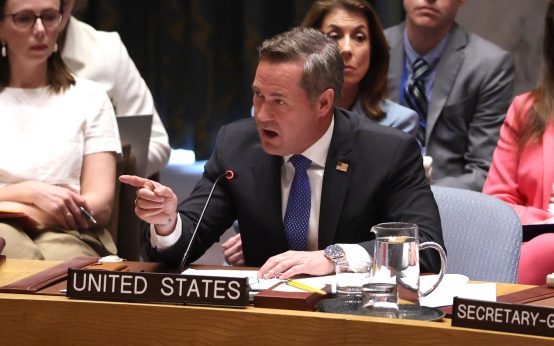 U.S. Ambassador Comments on Iran War Duration Amid Political Concerns
  US-China Relations Under Scrutiny: Expert Warns of Escalating Tensions
  No Timeline for End of Iran Conflict