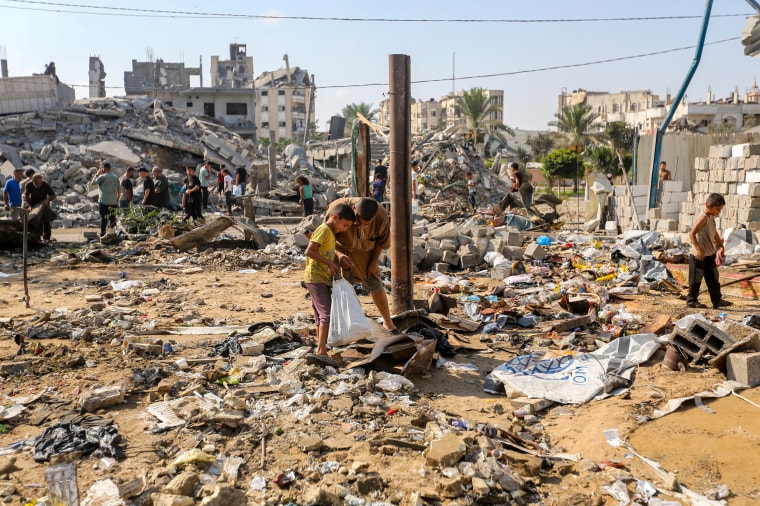
The State Department recently issued a warning urging Americans in the Middle East to consider leaving or be ready to leave on short notice. This advisory highlights potential flight disruptions and security risks due to escalating conflicts with Iran.
President Donald Trump announced intentions to carry out further attacks on Iran, stating that the U.S. would be targeting them significantly. In response, Iran threatened to retaliate against the U.S. as both nations exchanged what some officials describe as intense strikes.
The State Department advised Americans in the region to exercise caution, highlighting possible flight cancellations, periodic airspace closures, and likely travel disruptions.
Due to these risks, Americans are advised to consider leaving or being prepared to depart if the situation escalates. Specific airlines in the region have adjusted their flight schedules, with some suspending their routes. Moreover, the advisory also recommended reassessing travel plans to and through the area.
The warning was disseminated through U.S. embassies in several countries, including the United Arab Emirates, Bahrain, Iraq, Israel, Jordan, Kuwait, Lebanon, Oman, Qatar, and Saudi Arabia. Previously, a similar advisory did not emphasize the need for Americans to ready themselves for departure, indicating increasing concern over the potential for widening conflict.
In recent developments, the Kuwait Army intercepted drone attacks attributed to Iran. They confirmed that their air defense systems engaged with these hostile drone threats, causing any explosions heard to result from these interceptions.
Two days earlier, the U.S. military admitted to conducting significant strikes on Iran. This followed reports of a promise by President Trump to intensively confront the country in a phone conversation reported by Fox News.
As the conflict progresses into its sixth month, President Trump’s previous forecasts for a swift resolution remain unmet. A temporary lull occurred in June when both nations signed a memorandum to discuss ending the hostilities. However, by early July, Trump announced an end to the ceasefire, leading both militaries to resume aggressive actions in the Middle East. This prolonged conflict has resulted in rising global oil prices and increasing gas prices in the U.S.
 Alarming TSA Discovery: Hidden Object Found in Flashlight
  Homeland Security Takes Action Against Voter Fraud
  Evacuation Orders Issued in La Verne Due to Battery Fire
  California AG Bonta on Paramount’s Settlement and Merger
  Tuesday News Highlights: Trump’s UNGA Address and Greenland Deal
  Hispanic Rights Group Advocates Against Deportation of Shooting Witness