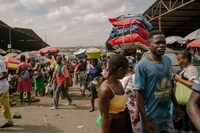
LUANDA, Angola — At Catinton Market, the hustle is palpable. Men and women sell fruits and vegetables beneath umbrellas that shield them minimally from the intense sun.
The distant U.S.-Israeli war on Iran impacts lives here. Yet, Luanda’s busy atmosphere feels removed from it. In this African nation, home to 40 million people, inequality reigns with half the population living on less than $3.65 a day. Oil profits enrich a select elite.
The Iranian conflict exacerbates the gap. Angola doesn’t depend on the Strait of Hormuz for oil exports. While food, fuel, and fertilizer cost increase, Angolan oil becomes a lucrative asset for the wealthy.
Veronica Simon and Isabelle Ferreira, vendors at Catinton Market, encounter hardship. They sell red peppers and struggle to cover school fees. The wholesale cost of peppers has quadrupled, affecting profits. Simon reveals that earning more than $2.50 a day is rare, stating, “It is not enough, but what can we do? We have no other options.”
Economist Arsénio Bumba notes global economic uncertainty rising due to the war, affecting import costs. This economic shock hits the poorest households hardest worldwide.
Angola benefits from higher oil prices and export capacity, bringing cash influxes. Oil forms 30% of GDP, 65% of government revenue, and over 95% of exports.
Despite cash gains, staple items like cooking oil, sugar, and rice see price hikes. Peanut vendor Jucy Manuel remarks, “I’m cooking half of what I did before.” Her struggle to feed three children is evident.
Luanda juxtaposes informal neighborhoods with burgeoning development. Angola’s 2026 budget anticipated $61 per barrel oil revenue, yet Brent crude now averages $87 per barrel. Budget windfalls pay debts and boost stocks of food and medicine to combat disruptions.
Corruption within Angola’s political elite fuels unrest. With presidential elections next year, addressing poverty grows crucial. Since independence, the People’s Movement for the Liberation of Angola (MPLA) remains in power.
Eva Damiao, 82, resides in Bairro da Lixeira amid trash heaps. Her late children’s support, now given by grandchildren, underscores ongoing hardship. Electricity fails, water doesn’t run. No one here expects benefits from war-related government cash influx.
Lukewarm expectations prevail. Joveth Hebo, living in impoverished conditions, states, “Despite the fact that they have more money, prices are going up. All Africans are suffering.” He laments financial pressure, causing him to abandon his legal studies in 2013.
Hebo has learned English in isolation, through music and books. He seeks recyclable materials to sell from trash piles alongside friends. Yet, profits from war revenue are unlikely to trickle down to his community.
“It won’t help us. It will help them,” Hebo observes. “The majority of us are suffering, and they don’t care about us.”
Developments near Luanda’s lagoon displaced families for cleared lands. Such changes symbolize both economic potential and social displacement in Angola.
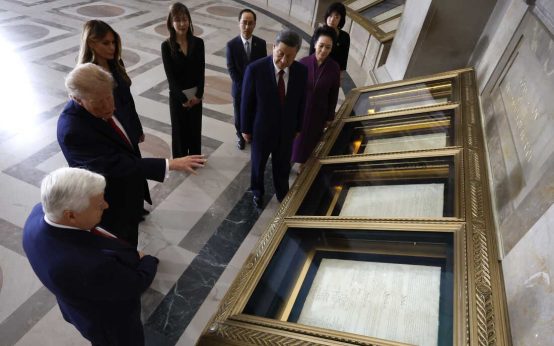 Historical Discrepancies and Diplomatic Sensitivities in U.S.-China Relations
 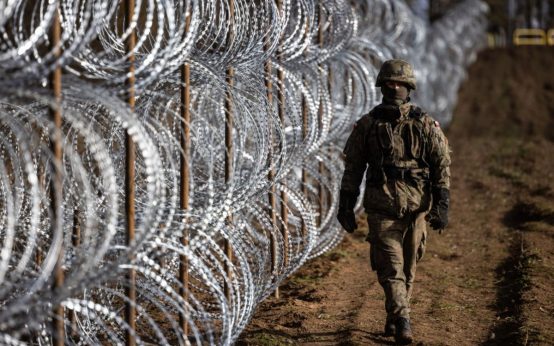 Escalating Tensions: Russia’s Nuclear Threat and the Kaliningrad Conundrum
 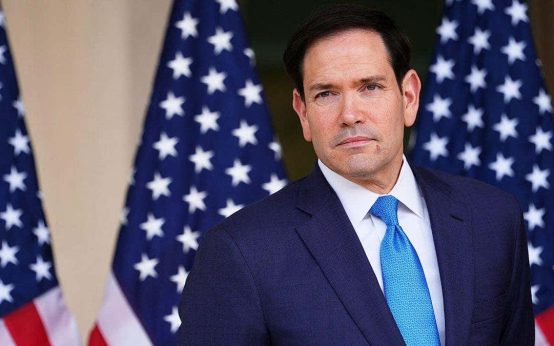 Marco Rubio Discusses Thwarted UK Terror Plot and Global Threats
  New Leads Emerge in 2014 Ayotzinapa Student Disappearance Case
  Concerns Over U.N. Secretary-General Candidate’s Alignment
 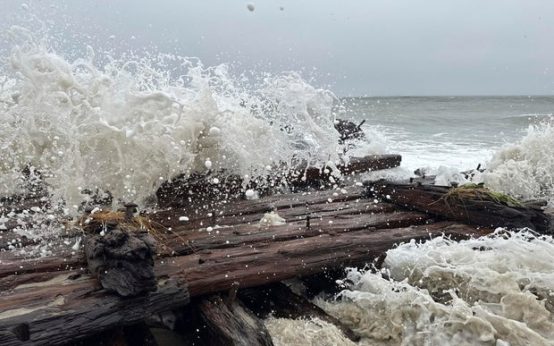 Possible Shipwreck Exposed After Nor’easter in Nantucket